
-
Vascular Endothelial Growth Factor A (VEGFA): A Cornerstone in Angiogenesis and Beyond(Post)
Vascular Endothelial Growth Factor A (VEGFA) is a pivotal signaling protein involved in both vasculogenesis and angiogenesis, processes essential for the formation of blood vessels during embryoni
After Tocilizumab, IL-6 Goes Up. That Is the Drug Working.(Post)Tocilizumab reverses cytokine release syndrome within hours, and it never touches the cell that started it. That sentence contains the whole mechanism. The trigger is a T cell — engaged by a CAR, a b
Mycoplasma Testing - Detection & Elimination(Page) Growth Factors: Key Players in Biological Processes(Post)Cell Signalling · Growth FactorsGrowth Factors: Families, Receptors and Signalling PathwaysGrowth factors are secreted proteins that instruct cells whether to divide, differentiate, migrate or survive
Toll-like Receptor Signalling in Neurodegenerative Disease(Post)Toll-Like Receptors The innate immune response has come under the spotlight in recent years due to its central role in propagating the pathogen
QuickStep ELISA Kits(Page)QuickStep ELISA Kits | 90-Minute 1-Wash Assays | Assay Genie
miRNAs as therapeutics and biomarkers for pancreatic cancer(Post)Pancreatic cancer survival rates Despite recent advances in our understanding of this disease, pancreatic cancer is one of the world’s most lethal malignan
The role of key Interleukins(Post)Interleukin signaling is involved in a number of biological processes, including cell growth and differentiation, inflammation and immunity. Interleukins are glycoproteins which act on hema
Tumour Angiogenesis and the VEGF Axis(Page) Macrophage Phagocytosis & the CD47–SIRPα Checkpoint(Page) B-Cell Receptor Signalling and the Germinal Centre Reaction(Post)The germinal centre is where antibody quality is made. A naive B cell that binds antigen does not become a source of protective, high-affinity IgG by accident. It passes through a tightly choreograph
CD155: Breaking Immune Suppression in Tumor Environments(Post)Introduction to CD155 in Cancer ImmunotherapyCD155, also known as Poliovirus Receptor (PVR), is a transmembrane protein that plays a pivotal role in tumor immune evasion. While CD155 is n
MAPK Signaling in Inflammatory Cytokines Pathways(Post)Cell Signalling · InflammationMAPK Signalling in Inflammatory Cytokine PathwaysMAPK cascades convert receptor engagement into changes in gene expression, and in inflammation they do it in both directi
Your Th2 Phenotype Might Not Be a T Cell(Post)If your knockout showed a type 2 phenotype and you attributed it to Th2 cells, there is a reasonable chance you were looking at something else. Innate lymphoid cells run T-bet, GATA3 and RORγt — not
Cell Synchronisation Methods(Post)Cell Culture · ProtocolsCell Synchronisation Methods: Protocols for G1, S, G2 and M Phase ArrestAn asynchronous culture contains cells at every stage of the cycle at once, so any measurement is an ave
The common characteristics of cancer | Assay Genie(Post)By Shane Houston, PhD Candidate Queen’s University Belfast Cancer is an age old adversary of the human race. This out-of-control growth of abnormal cells has been a shadow over human health t
Cytokine Storms: What happens when the immune system overreacts?(Post)Immunology · HyperinflammationCytokine Storm and Cytokine Release Syndrome: Mechanisms, Triggers and MarkersA cytokine storm is a self-amplifying inflammatory response in which cytokine release drives
Flow Cytometry Protocol | 10 Hints & Tips(Post)Lab Methods · Flow CytometryFlow Cytometry Protocol: Two Worked Protocols, Controls and 10 Practical TipsFlow cytometry measures individual cells in a fluid stream at hundreds per second, reporting si
Dilución de anticuerpos: protocolo, cálculos y control de calidad(Post)Dilución de anticuerpos: protocolo, cálculos y control de calidad Empiece con una serie de diluciones (por ejemplo, 1:10 seguida de una serie 1:2) y siempre incluya controles positivos y negativos pa
Understanding T Cell Fatigue: Implications for Immune Function and Therapeutic Interventions(Post)T cells are central players in adaptive immunity, responsible for recognizing and eliminating infected or aberrant cells. Upon encountering antigens, T cells undergo clonal expansion and differ
Featured
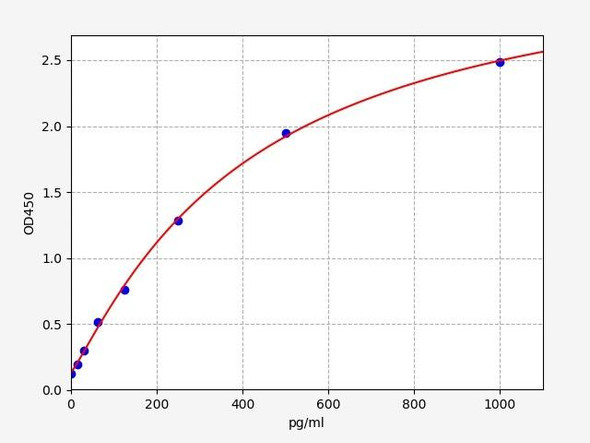

Human CAT (Catalase) ELISA Kit (HUFI07676)
- Product Code:
- HUFI07676
- Detection Method:
- Sandwich ELISA, Double Antibody
- Sensitivity:
- 9.375 pg/mL
- Range:
- 15.625-1000 pg/mL


Human MICA ELISA Kit (HUFI00015)
- Product Code:
- HUFI00015
- Detection Method:
- Sandwich ELISA, Double Antibody
- Sensitivity:
- 46.875 pg/mL
- Range:
- 78.125-5000 pg/mL

Fatty Acid Oxidation (FAO) Assay Kit (BR00001)
- Product Code:
- BR00001
- Instrument:
- Microplate Reader

Anti-Mouse IFNAR-1 In Vivo Antibody - Low Endotoxin (IVMB0202)
- Product Code:
- IVMB0202
- Antibody Type:
- Functional-Grade In Vivo Antibody
- Clone:
- MAR1-5A3
- Protein:
- IFNAR1
- Isotype:
- Mouse IgG1

Anti-Mouse CD25 In Vivo Antibody - Low Endotoxin (IVMB0148)
- Product Code:
- IVMB0148
- Antibody Type:
- Functional-Grade In Vivo Antibody
- Clone:
- PC61
- Protein:
- CD25
- Isotype:
- Rat IgG1 lambda

Anti-Mouse NK1.1 In Vivo Antibody - Low Endotoxin (IVMB0100)
- Product Code:
- IVMB0100
- Antibody Type:
- Functional-Grade In Vivo Antibody
- Clone:
- PK136
- Protein:
- NK1.1
- Isotype:
- Mouse IgG2a kappa

Anti-Mouse PD-1 Antibody [RMP1-14] In Vivo-Low Endotoxin (IVMB0037)
- Product Code:
- IVMB0037
- Antibody Type:
- Functional-Grade In Vivo Antibody
- Clone:
- RMP1-14
- Protein:
- PD-1
- Isotype:
- Rat IgG2a kappa


LSAMP Rabbit Polyclonal Antibody (CAB14248)
- Product Code:
- CAB14248
- Antibody Type:
- Polyclonal Antibody
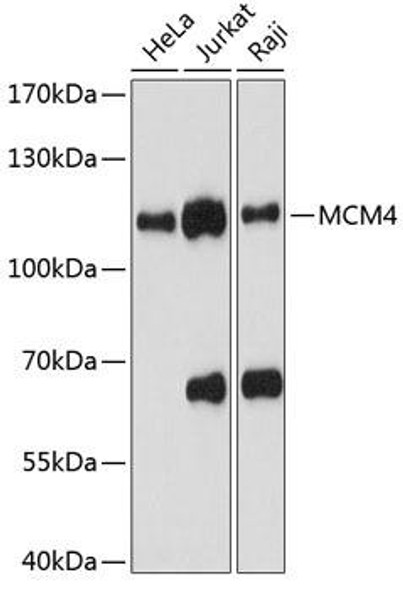
MCM4 Rabbit Polyclonal Antibody (CAB13513)
- Product Code:
- CAB13513
- Antibody Type:
- Polyclonal Antibody

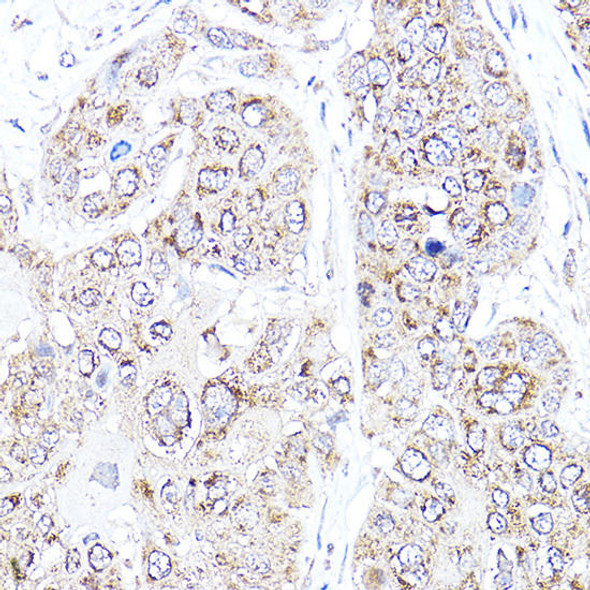
VEGF Rabbit Polyclonal Antibody (CAB12303)
- Product Code:
- CAB12303
- Antibody Type:
- Polyclonal Antibody

MDA ELISA Kit (UNFI0048)
- Product Code:
- UNFI0048
- Detection Method:
- Competitive ELISA, Coated with Antigen
- Sensitivity:
- 4.688 ng/mL
- Range:
- 7.813-500 ng/mL


Dopamine ELISA Kit (UNFI0013)
- Product Code:
- UNFI0013
- Detection Method:
- Competitive ELISA, Coated with Antigen
- Sensitivity:
- 0.938 ng/mL
- Range:
- 1.563-100 ng/mL

Serotonin ELISA Kit (UNFI0018)
- Product Code:
- UNFI0018
- Detection Method:
- Competitive ELISA, Coated with Antigen
- Sensitivity:
- 0.938 ng/mL
- Range:
- 1.563-100 ng/mL

PGE2 ELISA Kit (UNFI0032)
- Product Code:
- UNFI0032
- Detection Method:
- Competitive ELISA, Coated with Antigen
- Sensitivity:
- 18.75 pg/mL
- Range:
- 31.25-2000 pg/mL
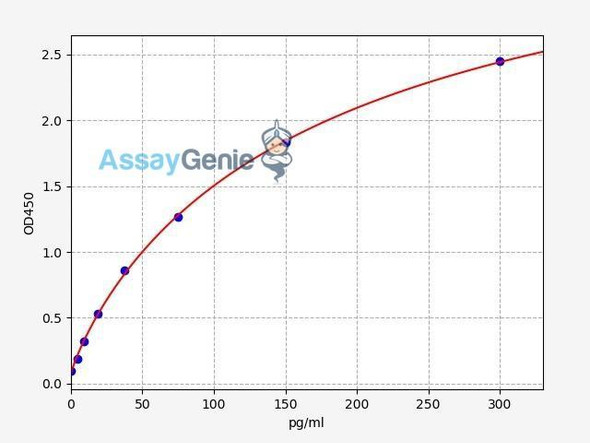
Human IL-6 ELISA Kit (HUFI00180)
- Product Code:
- HUFI00180
- Sensitivity:
- 2.813pg/ml
- Range:
- 4.688-300pg/ml
- ELISA Type:
- Sandwich
