
Histamine Receptors: Gatekeepers of Immunological and Neurological Responses
Histamine Receptors: H1, H2, H3 & H4 Explained
Histamine receptors are the G protein-coupled receptors through which histamine controls allergy, gastric acid secretion, neurotransmission and immune modulation. Four subtypes — H1, H2, H3 and H4 — each couple to distinct signalling pathways and tissues, making them among the most important drug targets in medicine.
Explore histamine pathway ELISA kits →Key Takeaways
- Histamine acts through four GPCR subtypes: H1, H2, H3 and H4.
- H1 drives allergy and is blocked by classic antihistamines; H2 controls gastric acid.
- H3 is a presynaptic autoreceptor in the brain; H4 modulates immune cell chemotaxis.
- Histamine is made by histidine decarboxylase (HDC) and broken down by histamine N-methyltransferase (HNMT).
- Antihistamines targeting H1 and H2 are among the most widely used drugs in the world.
- H3 and H4 are active areas of drug discovery for CNS and inflammatory disease.
Histamine Pathway ELISA Kits
Validated sandwich ELISA kits for all four histamine receptors and the two enzymes that control histamine levels.
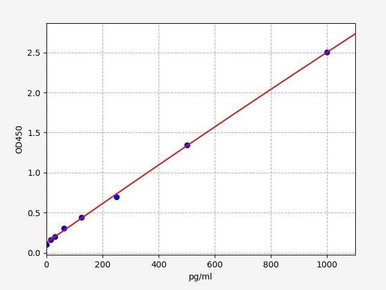
Histamine H1 Receptor ELISA Kit
The allergy receptor — found on smooth muscle and endothelium, driving bronchoconstriction, itch and vasodilation.
View kit →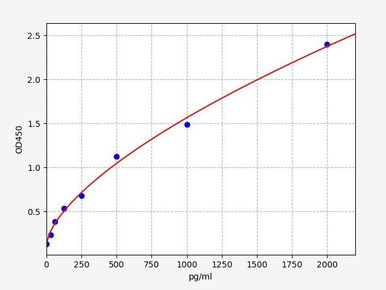
Histamine H2 Receptor ELISA Kit
Controls gastric acid secretion from parietal cells; the target of H2 blockers for ulcers and reflux.
View kit →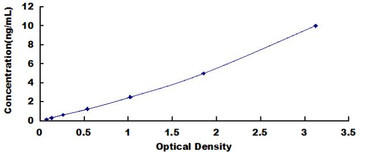
Histamine H3 Receptor ELISA Kit
A presynaptic autoreceptor in the CNS that regulates histamine and other neurotransmitter release.
View kit →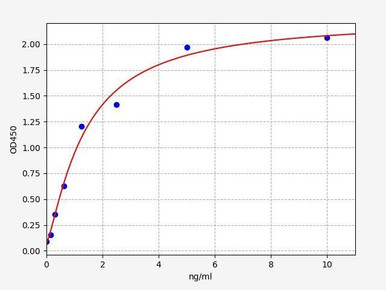
Histamine H4 Receptor ELISA Kit
Expressed on immune cells, mediating chemotaxis of mast cells, eosinophils and other leukocytes.
View kit →
Histidine Decarboxylase (HDC) ELISA Kit
The rate-limiting enzyme that synthesises histamine from the amino acid histidine.
View kit →
Histamine N-methyltransferase (HNMT) ELISA Kit
The principal enzyme that inactivates histamine in the central nervous system and tissues.
View kit →What Are Histamine Receptors?
Histamine is a biogenic amine that plays a crucial role in many physiological processes, including immune responses, gastric acid secretion and neurotransmission. It exerts these effects by binding to specific histamine receptors on the surface of target cells. All four receptors belong to the G protein-coupled receptor (GPCR) family, characterised by seven transmembrane domains that transduce an extracellular signal into an intracellular response.
To date, four subtypes have been identified — H1, H2, H3 and H4 — each with distinct signalling mechanisms, tissue distribution and downstream effects. This diversity is what allows a single small molecule, histamine, to trigger responses as different as a sneeze, a surge of stomach acid and the fine-tuning of neurotransmitter release. Understanding which receptor mediates which effect is the foundation of antihistamine pharmacology.
The Four Histamine Receptor Subtypes
The four receptors differ in the G protein they couple to and therefore in the second messengers they raise or lower.
H1 receptor
The H1 receptor is widely expressed on smooth muscle, endothelium and the central nervous system. Coupling through Gq/11, it raises intracellular calcium to produce the classic allergic response: bronchoconstriction, increased vascular permeability, itch and wakefulness. It is the target of the familiar antihistamines used for hay fever and urticaria.
H2 receptor
The H2 receptor is best known for its role on gastric parietal cells, where it stimulates acid secretion via Gs and rising cyclic AMP. H2 antagonists such as ranitidine and famotidine revolutionised the treatment of peptic ulcers and reflux. H2 receptors also appear on cardiac muscle and immune cells.
H3 receptor
The H3 receptor is found mainly in the central nervous system, where it acts as a presynaptic autoreceptor. By coupling through Gi/o it inhibits the release of histamine and other neurotransmitters, positioning it as a target for disorders of sleep, cognition and attention.
H4 receptor
The most recently discovered subtype, the H4 receptor, is expressed predominantly on cells of haematopoietic origin. Also Gi/o-coupled, it mediates the chemotaxis of mast cells, eosinophils and other leukocytes, making it a promising target for inflammatory and autoimmune conditions.
Histamine Synthesis & Breakdown
Receptor signalling is only half the story; the amount of histamine available to act on those receptors is set by two enzymes. Histamine is synthesised from the amino acid histidine by histidine decarboxylase (HDC), the rate-limiting step, chiefly in mast cells, basophils, enterochromaffin-like cells and certain neurons.
Once released, histamine is rapidly inactivated. In the central nervous system and most tissues this is carried out by histamine N-methyltransferase (HNMT), while diamine oxidase degrades histamine in the gut and other peripheral sites. Measuring HDC and HNMT alongside the receptors gives a complete picture of histaminergic tone in a tissue or disease model.
Clinical Implications & Antihistamines
The broad involvement of histamine receptors in physiological and pathological processes makes them attractive targets for therapeutic intervention. Antihistamines, which block the action of histamine at its receptors, are among the most widely used medicines in the world. H1 antagonists treat allergies, urticaria and, in their sedating first-generation form, insomnia; H2 antagonists reduce gastric acid in ulcers and reflux.
Drug discovery has since moved to the newer subtypes. H3 antagonists are being developed for narcolepsy, cognitive disorders and attention deficits, while H4 antagonists are in trials for asthma, atopic dermatitis and other inflammatory conditions. Because each subtype couples to a different pathway, selective agonists and antagonists can fine-tune histamine signalling without the off-target effects of earlier, non-selective drugs.
Studying Histamine Receptors
Quantify H1, H2, H3 and H4 receptors alongside the histamine-metabolising enzymes HDC and HNMT with validated sandwich ELISA kits, spanning human, mouse and rat samples for immunology, neurobiology and pharmacology research.
Browse the full ELISA kit range →Frequently Asked Questions
How many histamine receptors are there?
Four subtypes have been identified — H1, H2, H3 and H4 — all belonging to the G protein-coupled receptor family, each with distinct signalling and tissue distribution.
What do antihistamines actually block?
Most over-the-counter allergy antihistamines block the H1 receptor. A separate class of H2 blockers targets the H2 receptor to reduce stomach acid.
What is the difference between H1 and H2 receptors?
H1 receptors couple through Gq/11 and drive allergic responses, while H2 receptors couple through Gs and stimulate gastric acid secretion.
What are the H3 and H4 receptors for?
H3 is a presynaptic autoreceptor in the brain that regulates neurotransmitter release, and H4 is expressed on immune cells where it controls their chemotaxis.
Which enzymes control histamine levels?
Histidine decarboxylase (HDC) synthesises histamine, while histamine N-methyltransferase (HNMT) and diamine oxidase break it down.
Tehreem is a life-science writer at Assay Genie covering immunology, pharmacology and neuroscience.
Recent Posts
-
ELISA Troubleshooting: Why You Can't Skip the Full Standard Curve
Quick answer A researcher measuring dopamine in mouse brain tissue got no detectable …9th Sep 2026 -

Techniciens/chercheurs : choisir plaque ELISA selon liaison et optique
Techniciens/chercheurs : choisir plaque ELISA selon liaison et optique Pour la plupart des ELISA co …9th Sep 2026 -

5 controles para validar anticuerpos para western blot en investigación
5 controles para validar anticuerpos para western blot en investigación Para un western blot fiable …9th Sep 2026