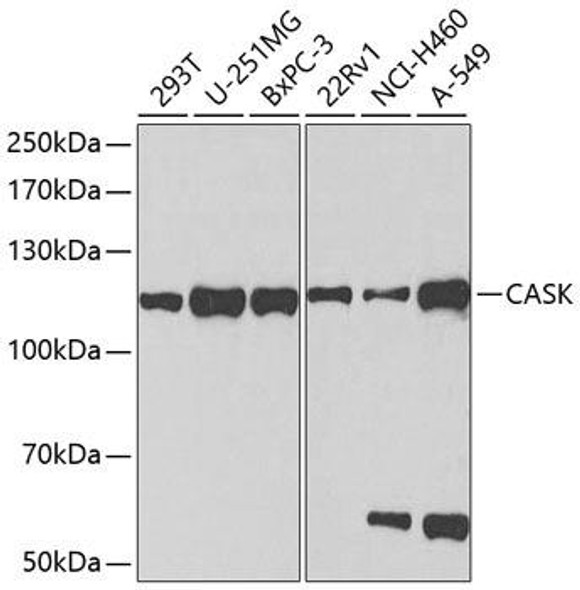
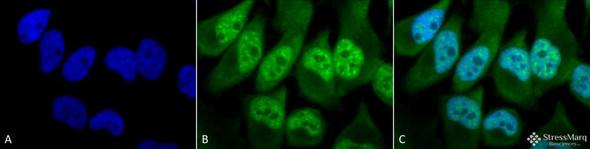
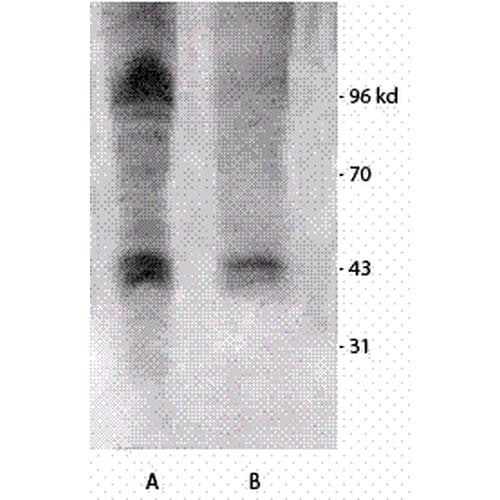
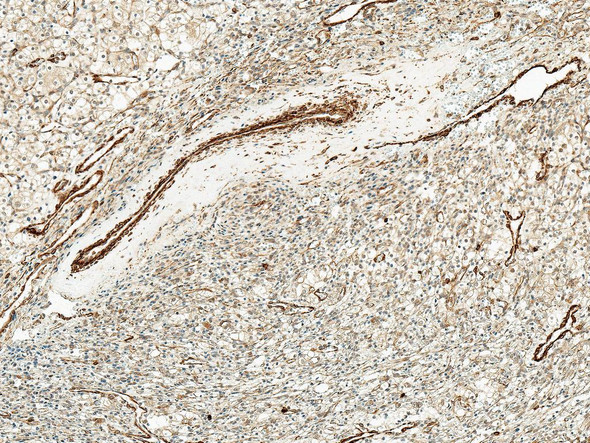
CASK Antibody [PT55] is a rabbit recombinant monoclonal antibody directed against CASK, offered by Assay Genie for research applications. Reported applications include WB, IHC and ICC/IF. Reported reactivity: Human, Mouse and Rat. Supplied as IgG Kappa, purified by AmMag™ Ultra AT Protein A MagBeads.
CASK (calcium/calmodulin-dependent serine protein kinase) is a ~112 kDa member of the membrane-associated guanylate kinase (MAGUK) family, functioning as a critical scaffolding protein in neuronal development and synaptic organization. Structurally, CASK integrates multiple signaling domains—including a CaMK-like kinase domain, SH3 domain, PDZ domain, and a guanylate kinase (GUK) homology domain—enabling it to anchor transmembrane proteins to the cytoskeleton and intracellular signaling complexes. In the nervous system, CASK plays a pivotal role in stabilizing synaptic architecture by binding to neurexins at the presynaptic membrane, facilitating the assembly of pre- and postsynaptic structures. Beyond its cytoplasmic functions, a nuclear fraction of CASK translocates to the nucleus, where it acts as a transcriptional co-activator, influencing gene expression programs essential for neurodevelopment. Loss-of-function studies underscore CASK’s essential role: mice with CASK gene disruptions exhibit perinatal lethality, highlighting its necessity for survival. Additionally, CASK is expressed in non-neuronal tissues, including basal keratinocytes and developing hair follicles, suggesting broader roles in tissue development and wound repair. Emerging evidence links CASK dysfunction to neurodevelopmental and neurodegenerative disorders, including intellectual disability, microcephaly, and cerebellar atrophy. As a multifunctional regulator of synaptic integrity and gene expression, CASK is increasingly recognized as a key molecular target in neuroscience and neurodegeneration research. This antibody is also available conjugated to ATTO 390, ATTO 488, ATTO 594, APC, Biotin, FITC, HRP, PerCP and RPE. Supplied in 100 µg. For research use only; not for diagnostic or therapeutic procedures.
Store at -20°C. Shipped on Blue Ice or 4°C. Conjugated variants should be stored according to the product label.
Format:
Liquid
Applications:
WB, IHC, ICC/IF
Antibody Isotype:
IgG Kappa
Purification:
AmMag™ Ultra AT Protein A MagBeads
Concentration:
1mg/ml
Reactivity:
Human, Mouse, Rat
Recommended Dilution:
WB (1:1000), IHC (1:100), ICC/IF (1:100); optimal dilutions for assays should be determined by the user.
Specificity:
Detects region of CASK containing the first L27 domain, ~100kDa.
Guarantee:
12 months from date of dispatch
Immunogen:
Fusion protein, AA #318-415 (first L27 domain) of human CASK.
Immunogen Species:
Human
Accession Number:
NP_003679.2
Gene ID:
8573
Swiss-Prot:
O14936
Cellular Localization:
Nucleus, Cytoplasm, Cell membrane
Tissue Specificity:
Ubiquitous. Expression is significantly greater in brain relative to kidney, lung, and liver.
Alternative Names:
CASK, Peripheral plasma membrane protein CASK, Calcium/calmodulin-dependent serine protein kinase, Calcium calmodulin-dependent serine protein kinase, LIN2, Lin-2 homolog, CAMGUK, CMG2, FGS4, MICPCH, MRXSNA, TNRC8, hCASK
References:
1. Hata, Y., Butz, S., & Südhof, T. C. (1996). CASK: A novel dlg/PSD95 homolog with an N-terminal calmodulin-dependent protein kinase domain identified by interaction with neurexins. Journal of Neuroscience, 16(8), 2488–2494. DOI: 10.1523/JNEUROSCI.16-08-02488.1996 2. Hsueh, Y. P., Wang, T. F., Yang, F. C., & Sheng, M. (2000). Nuclear translocation and transcription regulation by the membrane-associated guanylate kinase CASK/LIN-2. Nature, 404(6775), 298–302. DOI: 10.1038/35005118 3. Laverty, H. G., & Wilson, J. B. (1998). Murine CASK is disrupted in a sex-linked cleft palate mouse mutant. Genomics, 53(1), 29–41. DOI: 10.1006/geno.1998.5479 4. Ojeh, N., Pekovic, V., Jahoda, C., & Maatta, A. (2008). The MAGUK-family protein CASK is targeted to nuclei of the basal epidermis and controls keratinocyte proliferation. Journal of Cell Science, 121(16), 2705–2717. DOI: 10.1242/jcs.025643.

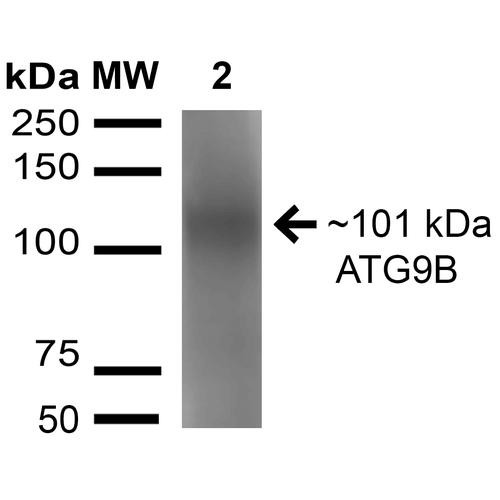
![Western blot analysis with Rabbit Anti-CASK Monoclonal Antibody, Clone PT55 (STMA00230) showing detection of Human CASK protein in a transient over-expression (OE) lysate (OriGene LY401218). Block: 2% skim milk + 2% BSA for 1 hour at RT. Primary Antibody: Rabbit Anti-Human CASK Recombinant Monoclonal [PT55] (STMA00230) at 1:10,000 for 2 hours at RT. Secondary Antibody: Goat anti-rabbit IgG-HRP (H&L) at 1:5000 for 1 hour at RT.](https://cdn11.bigcommerce.com/s-h68l9z2lnx/images/stencil/1280x1280/products/279996/772300/anti-cask-antibody-pt55__71715.1785546746.jpg?c=2?imbypass=on "Western blot analysis with Rabbit Anti-CASK Monoclonal Antibody, Clone PT55 (STMA00230) showing detection of Human CASK protein in a transient over-expression (OE) lysate (OriGene LY401218). Block: 2% skim milk + 2% BSA for 1 hour at RT. Primary Antibody: Rabbit Anti-Human CASK Recombinant Monoclonal [PT55] (STMA00230) at 1:10,000 for 2 hours at RT. Secondary Antibody: Goat anti-rabbit IgG-HRP (H&L) at 1:5000 for 1 hour at RT.")
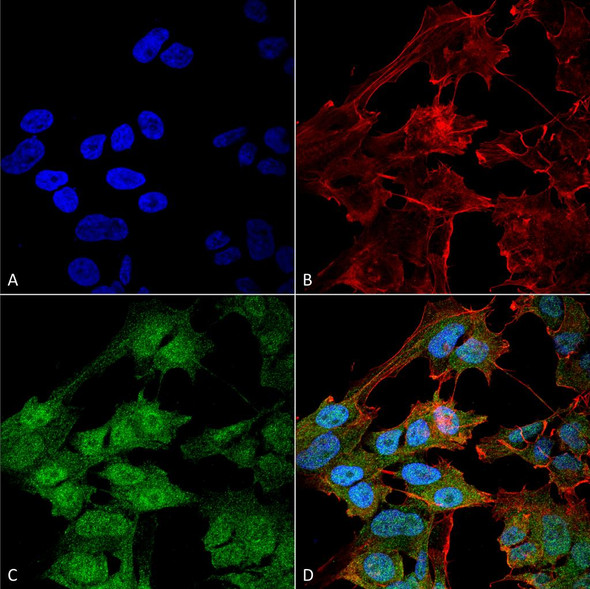
![Immunocytochemistry/Immunofluorescence analysis Rabbit Anti-CASK Monoclonal Antibody, Clone PT55 (STMA00230). Tissue: Pheochromocytoma cells (PC-12). Species: Rat. Fixation: 4% PFA for 10 min at RT. Permeabilization: 0.15% TritonX for 15 min at RT. Blocking: 10% goat serum for 40 min at RT. Primary Antibody: Rabbit Anti-Human CASK Recombinant Monoclonal [PT55] (STMA00230) at 1:100 for 1 hour at RT.](https://cdn11.bigcommerce.com/s-h68l9z2lnx/images/stencil/1280x1280/products/279996/771151/anti-cask-antibody-pt55__71459.1785542983.jpg?c=2?imbypass=on "Immunocytochemistry/Immunofluorescence analysis Rabbit Anti-CASK Monoclonal Antibody, Clone PT55 (STMA00230). Tissue: Pheochromocytoma cells (PC-12). Species: Rat. Fixation: 4% PFA for 10 min at RT. Permeabilization: 0.15% TritonX for 15 min at RT. Blocking: 10% goat serum for 40 min at RT. Primary Antibody: Rabbit Anti-Human CASK Recombinant Monoclonal [PT55] (STMA00230) at 1:100 for 1 hour at RT.")
![Immunohistochemistry analysis with Rabbit Anti-CASK Monoclonal Antibody, Clone PT55 (STMA00230). Tissue: Brain. Species: Mouse. Fixation: Paraffin embedded, 4um thin. Blocking: 3% milk for 1 hour at RT. Primary Antibody: Rabbit Anti-Human CASK Recombinant Monoclonal [PT55] (STMA00230) at 1:100 for 1 hour at RT. Secondary Antibody: Goat anti-rabbit IgG-HRP (H&L) at 1:100 for 45 min at RT.](https://cdn11.bigcommerce.com/s-h68l9z2lnx/images/stencil/1280x1280/products/279996/771437/anti-cask-antibody-pt55__95777.1785543921.jpg?c=2?imbypass=on "Immunohistochemistry analysis with Rabbit Anti-CASK Monoclonal Antibody, Clone PT55 (STMA00230). Tissue: Brain. Species: Mouse. Fixation: Paraffin embedded, 4um thin. Blocking: 3% milk for 1 hour at RT. Primary Antibody: Rabbit Anti-Human CASK Recombinant Monoclonal [PT55] (STMA00230) at 1:100 for 1 hour at RT. Secondary Antibody: Goat anti-rabbit IgG-HRP (H&L) at 1:100 for 45 min at RT.")
![Immunocytochemistry/Immunofluorescence analysis with Rabbit Anti-CASK Monoclonal Antibody, Clone PT55 (STMA00230). Tissue: Neuroblastoma cells (Kelly). Species: Human. Fixation: 4% PFA for 10 min at RT. Permeabilization: 0.15% TritonX for 15 min at RT. Blocking: 10% goat serum for 40 min at RT. Primary Antibody: Rabbit Anti-Human CASK Recombinant Monoclonal [PT55] (STMA00230) at 1:100 for 1 hour at RT.](https://cdn11.bigcommerce.com/s-h68l9z2lnx/images/stencil/1280x1280/products/279996/765575/anti-cask-antibody-pt55__27641.1785525438.jpg?c=2?imbypass=on "Immunocytochemistry/Immunofluorescence analysis with Rabbit Anti-CASK Monoclonal Antibody, Clone PT55 (STMA00230). Tissue: Neuroblastoma cells (Kelly). Species: Human. Fixation: 4% PFA for 10 min at RT. Permeabilization: 0.15% TritonX for 15 min at RT. Blocking: 10% goat serum for 40 min at RT. Primary Antibody: Rabbit Anti-Human CASK Recombinant Monoclonal [PT55] (STMA00230) at 1:100 for 1 hour at RT.")
![Western blot analysis with Rabbit Anti-CASK Monoclonal Antibody, Clone PT55 (STMA00230) showing detection of Human CASK protein in a rat brain membrane lysate. Block: 2% skim milk + 2% BSA for 1 hour at RT. Primary Antibody: Rabbit Anti-Human CASK Recombinant Monoclonal [PT55] (STMA00230) at 1:1000 for 2 hours at RT. Secondary Antibody: Goat anti-rabbit IgG-HRP (H&L) at 1:5000 for 1 hour at RT.](https://cdn11.bigcommerce.com/s-h68l9z2lnx/images/stencil/1280x1280/products/279996/761094/anti-cask-antibody-pt55__26618.1785511277.jpg?c=2?imbypass=on "Western blot analysis with Rabbit Anti-CASK Monoclonal Antibody, Clone PT55 (STMA00230) showing detection of Human CASK protein in a rat brain membrane lysate. Block: 2% skim milk + 2% BSA for 1 hour at RT. Primary Antibody: Rabbit Anti-Human CASK Recombinant Monoclonal [PT55] (STMA00230) at 1:1000 for 2 hours at RT. Secondary Antibody: Goat anti-rabbit IgG-HRP (H&L) at 1:5000 for 1 hour at RT.")
![Western blot analysis with Rabbit Anti-CASK Monoclonal Antibody, Clone PT55 (STMA00230) showing detection of Human CASK protein in a transient over-expression (OE) lysate (OriGene LY401218). Block: 2% skim milk + 2% BSA for 1 hour at RT. Primary Antibody: Rabbit Anti-Human CASK Recombinant Monoclonal [PT55] (STMA00230) at 1:10,000 for 2 hours at RT. Secondary Antibody: Goat anti-rabbit IgG-HRP (H&L) at 1:5000 for 1 hour at RT.](https://cdn11.bigcommerce.com/s-h68l9z2lnx/images/stencil/608x608/products/279996/772300/anti-cask-antibody-pt55__71715.1785546746.jpg?c=2 "Western blot analysis with Rabbit Anti-CASK Monoclonal Antibody, Clone PT55 (STMA00230) showing detection of Human CASK protein in a transient over-expression (OE) lysate (OriGene LY401218). Block: 2% skim milk + 2% BSA for 1 hour at RT. Primary Antibody: Rabbit Anti-Human CASK Recombinant Monoclonal [PT55] (STMA00230) at 1:10,000 for 2 hours at RT. Secondary Antibody: Goat anti-rabbit IgG-HRP (H&L) at 1:5000 for 1 hour at RT.")