
Lipid Metabolism Assays
Profile lipid metabolism
Lipids fuel energy storage, membranes and signalling. Our kits quantify cholesterol and lipoproteins, fatty-acid handling, bile acids and lipases — with supporting protein, ion and clinical markers — on a standard plate reader.
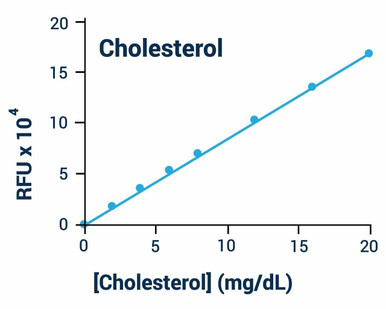
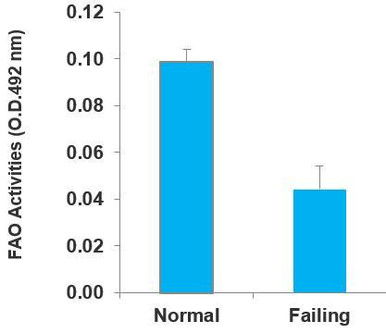

Which lipid metabolism assay do you need?
From cholesterol and lipoproteins to fatty-acid oxidation and bile acids — pick an area to filter the range.
All lipid metabolism assays
Filter by application area or search by analyte or product code.
Why choose these assays?
A broad lipid-metabolism toolkit for the plate reader.
Lipid-pathway coverage
Cholesterol and lipoproteins, fatty-acid uptake and oxidation, bile acids and lipases.
Flexible read-outs
Colorimetric and fluorometric formats to match your instrument and sensitivity.
Clinical & research samples
Validated across serum, plasma, tissue, cells and culture media.
Supporting markers
Protein, ion and clinical assays to round out metabolic studies.
What is lipid metabolism?
Lipid metabolism is how the body breaks down and builds fats for energy, membranes and signalling. It spans cholesterol and lipoprotein handling, fatty-acid uptake and oxidation, and the bile acids and enzymes that process lipids.
Profiling these together — alongside supporting protein and clinical markers — helps dissect metabolic health, disease models and drug effects.
- Cholesterol & lipoproteins: cholesterol, HDL/LDL, triglyceride
- Fatty acids & lipids: uptake, oxidation, free fatty acid, phospholipid
- Bile acids & lipases: total bile acid, lipase, phospholipase D
- Supporting: protein, ion and clinical markers
FAQs
What does lipid metabolism profiling involve?
It combines assays for cholesterol and lipoproteins (HDL/LDL, triglyceride), fatty-acid handling (uptake, oxidation, free fatty acids) and bile acids/lipases, often with supporting protein and clinical markers.
Can I measure HDL and LDL separately?
Yes. The HDL and LDL/VLDL assay kits allow separation and quantitation of the lipoprotein fractions from serum.
What is a fatty acid oxidation assay used for?
It measures the rate at which cells or tissues oxidise fatty acids for energy, a key read-out in metabolism, mitochondrial function and metabolic-disease research.
Are the kits colorimetric or fluorometric?
Both formats are available across the range; the product name and card indicate the read-out so you can match it to your plate reader.
Building a lipid-metabolism panel?
Our PhD-level technical team can help you choose the right cholesterol, fatty-acid and bile-acid assays.