
Blog
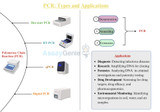
Types of PCR – 7 Methods, Principles & Applications
Molecular Biology · Techniques Guide
Types of PCR – 7 Methods, Principles & Applications
PCR stands as a cornerstone in molecular biology, enabling scientists to magnify and analyze fragments of DNA with incredible precision — from standard amplification to RT-PCR, qPCR, digital PCR and beyond, alongside the high-fidelity polymerases and master mixes to run them.
Browse Molecular Biology Tools →
7PCR METHODS COVERED
3TEMPERATURE STEPS
20–40CYCLES PER RUN
72°CEXTENSION TEMPERATURE
PCR stands as a cornerstone in molecular biolo
…
23rd Aug 2023
Converting RPM to G-force in Centrifugation
Lab Methods · CentrifugationRPM to G-Force (RCF) Conversion: Formula, Calculator Method and Common ErrorsA protocol that says “spin at 3,000 rpm” is incomplete, because the force a sample experiences depends on the rotor radius as well as the speed. Relative centrifugal force is the reproducible quantity, and converting between the two takes one formula in each direction. This guide covers both, the radius question that causes most errors, a ready-reference table, and why protocols should specify ×g rather than rpm.Browse sample prep reagents →1.118×10⁻⁵The universal constantr in cmRadius unit this formula expects× gWhat protocols should specifyrmaxUsually the radius to useKey takeawaysRCF =
…
19th Jul 2023