
Transduction vs Transfection: Understanding Gene Delivery Techniques
Transduction vs Transfection: Understanding Gene Delivery Techniques
Transduction and transfection are the two main routes for introducing genetic material into cells. Transduction uses viral vectors to deliver genes efficiently, even into primary and non-dividing cells, while transfection relies on non-viral chemical or physical methods. This guide compares how they work, their advantages and limitations, and how to choose the right approach.
Browse Molecular Biology Tools →Transduction
Transduction is a process by which genetic material is transferred into a cell via a viral vector. Viruses have evolved sophisticated mechanisms to infect host cells and deliver their genetic payload. In the context of transduction, viral vectors are modified to carry desired genetic material instead of their own viral genome. The most commonly used viral vectors for transduction include retroviruses, lentiviruses, adenoviruses, and adeno-associated viruses (AAVs).
In practice, transduction underpins many of the most important applications in modern biology and medicine. Lentiviral and retroviral vectors integrate their payload into the host genome, producing stable, long-term expression that is ideal for generating stable cell lines, engineering CAR-T cells, and delivering CRISPR components to primary cells. Adeno-associated viral (AAV) vectors, by contrast, remain largely episomal and are favoured for in vivo gene therapy because of their low immunogenicity and strong safety profile.
Advantages of Transduction:
- Efficient Delivery: Viral vectors have evolved to efficiently infect a wide range of cell types, allowing for effective delivery of genetic material.
- Stable Integration: Certain viral vectors, such as retroviruses and lentiviruses, can integrate their genetic cargo into the host cell's genome, leading to stable expression over multiple cell generations.
- Long-Term Expression: Transduced genes can be expressed for extended periods within the host cell, making transduction suitable for applications requiring sustained gene expression, such as gene therapy.
Limitations of Transduction:
- Immunogenicity: Viral vectors can trigger immune responses in the host, potentially leading to inflammation or clearance of transduced cells.
- Limited Cargo Capacity: Viral vectors have constraints on the size of genetic material they can carry, limiting the delivery of large genes or multiple genes simultaneously.
- Safety Concerns: There are safety considerations associated with the use of viral vectors, including the risk of insertional mutagenesis and unintended gene activation.
Transfection
Transfection involves the introduction of exogenous nucleic acids, such as plasmid DNA, RNA, or oligonucleotides, into cells using non-viral methods. These methods can be categorized into two main types: chemical transfection and physical transfection.
Transfection is the method of choice when transient, rapid expression is sufficient. It is widely used for over-expressing recombinant proteins, screening plasmid constructs, delivering siRNA or shRNA for gene knockdown, and introducing CRISPR-Cas9 ribonucleoproteins. Because no viral components are involved, it carries a lower biosafety burden and is faster to set up, although efficiency varies considerably between cell types and primary cells are often refractory.
Chemical Transfection:
Chemical transfection utilizes cationic lipids or polymers to form complexes with nucleic acids, facilitating their uptake by cells through endocytosis. Lipofection, a commonly used chemical transfection method, involves the formation of liposome-nucleic acid complexes that fuse with the cell membrane, releasing the genetic material into the cytoplasm.
Physical Transfection:
Physical transfection techniques rely on physical forces to deliver nucleic acids into cells. Common physical transfection methods include electroporation, which applies brief electrical pulses to create temporary pores in the cell membrane, and microinjection, which involves the direct injection of genetic material into cells using a fine needle.
Advantages of Transfection:
- Versatility: Transfection can deliver a wide range of nucleic acids, including DNA, RNA, and oligonucleotides, allowing for diverse applications such as transient gene expression, RNA interference (RNAi), and genome editing.
- Minimal Immunogenicity: Non-viral transfection methods typically induce lower immune responses compared to viral vectors, making them suitable for certain applications where immune activation is undesirable.
- Ease of Use: Transfection protocols are relatively simple and can be performed in standard laboratory settings without specialized equipment.
Limitations of Transfection:
- Transient Expression: Transfected genes usually remain episomal or undergo degradation over time, leading to transient gene expression unless additional measures are taken to enhance stability.
- Variable Efficiency: The efficiency of transfection can vary depending on factors such as cell type, transfection method, and the quality of nucleic acids used.
- Toxicity: Some transfection reagents may exhibit cytotoxic effects on cells, particularly at high concentrations or with prolonged exposure.
Assay Genie supplies reagents to run and validate gene-delivery experiments:
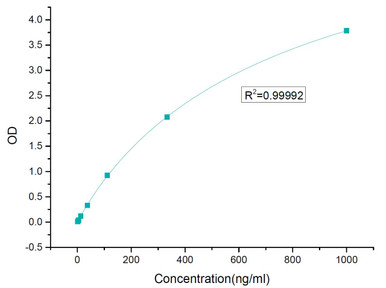
Lentivirus Titer p24 ELISA Kit
Quantify lentiviral titre by p24 capsid ELISA to standardise transduction experiments.
View product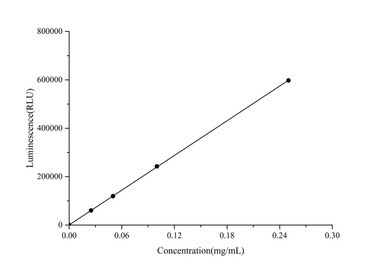
Firefly Luciferase Reporter Assay Kit
Measure reporter gene expression to compare gene-delivery efficiency.
View product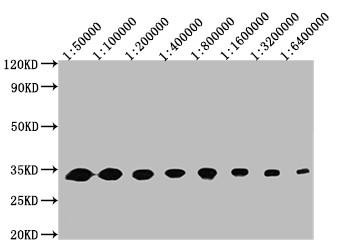
GFP Monoclonal Antibody
Detect GFP reporter expression in transfected or transduced cells.
View product
MTT Cell Viability Assay
Check cell health and viability after transfection or transduction.
View product
GenieColor Mycoplasma Detection Kit
Confirm cultures are mycoplasma-free before gene-delivery experiments.
View product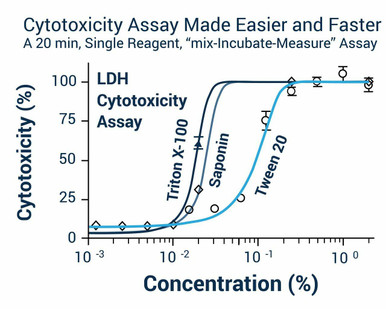
LDH Cytotoxicity Assay Kit
Quantify membrane damage and toxicity from delivery reagents or vectors.
View productApplications in Research and Therapy
Both techniques are foundational to molecular and cell biology, but they tend to be chosen for different goals.
Research applications
Transfection dominates routine laboratory work — transient protein expression, reporter assays, promoter analysis and RNA-interference screens. Transduction is preferred where stable, uniform expression across a whole population is needed, such as building reporter cell lines or modifying primary immune cells.
Therapeutic applications
In the clinic, viral transduction is central to gene and cell therapies, including CAR-T cell manufacturing and AAV-based treatments for inherited disease. Non-viral transfection is increasingly important for mRNA vaccines and lipid-nanoparticle delivery, where transient expression is exactly what is required.
Measuring delivery efficiency
Whichever route is used, quantifying success matters. Reporter systems such as luciferase and GFP, viral titre assays such as p24 for lentivirus, and cell-health readouts including viability and cytotoxicity are routinely combined to benchmark and optimise delivery.
Transduction vs Transfection at a Glance
| Feature | Transduction | Transfection |
|---|---|---|
| Delivery method | Viral vector (e.g. lentivirus, AAV) | Non-viral (chemical or physical) |
| Efficiency | High, incl. hard-to-transfect cells | Variable; depends on cell type |
| Expression | Stable (integrating) or transient | Transient, or stable with selection |
| Cell types | Broad — primary & non-dividing cells | Best in dividing, robust cell lines |
| Biosafety | Requires viral handling/containment | Lower biosafety burden |
| Typical use | Gene therapy, stable lines, primary cells | Plasmid expression, siRNA, reporter assays |
Frequently Asked Questions
What is the difference between transduction and transfection?
Transduction delivers genetic material using a viral vector, while transfection introduces nucleic acids by non-viral chemical or physical methods.
Which method gives higher efficiency?
Transduction is generally more efficient, especially in primary and non-dividing cells, whereas transfection efficiency varies with cell type.
Is transfection stable or transient?
It can be either — transient by default, or stable when combined with a selection marker to isolate cells that have integrated the DNA.
Which method should I use for primary cells?
Viral transduction is usually preferred for primary and hard-to-transfect cells because of its higher delivery efficiency.
Conclusion
In summary, transduction and transfection are two distinct approaches used for gene delivery, each with its own set of advantages and limitations. Transduction, mediated by viral vectors, offers efficient and stable gene delivery but may pose safety concerns and limitations in cargo capacity. Transfection, on the other hand, provides versatility and ease of use with minimal immunogenicity but generally results in transient gene expression and variable efficiency. Understanding the differences between these techniques is crucial for selecting the most appropriate method for specific research or therapeutic applications in molecular biology and gene therapy.
References
- Verma, Inder M., and Louise A. Somia. "Gene therapy—promises, problems and prospects." Nature 389.6648 (1997): 239-242.
- Felgner, Philip L., et al. "Lipofection: a highly efficient, lipid-mediated DNA-transfection procedure." Proceedings of the National Academy of Sciences 84.21 (1987): 7413-7417.
- Potter, Hunter, et al. "Transfection by electroporation." Current protocols in molecular biology (2013): 9.3.1-9.3.11.
- Thomas, Michèle, and Laurence Klibanov. "Non-viral gene therapy: polycation-mediated DNA delivery." Applied microbiology and biotechnology 62.1 (2003): 27-34.
- Lui, Kathy O., et al. "Electroporation-mediated gene delivery." Molecular therapy 24.3 (2016): 447-458.
Umang Tyagi completed her Bachelor degree in Biotechnology from GGSIP University in Delhi, India and is currently pursuing a Research Masters in Medicine at University College Dublin.
Umang Tyagi is a scientific contributor at Assay Genie, writing on molecular biology techniques and gene-delivery methods.
Related reading
Planning a gene-delivery experiment?
From lentivirus titre ELISAs and luciferase reporter assays to GFP antibodies, Assay Genie supplies the reagents behind reliable transduction and transfection — backed by expert technical support.
Browse Molecular Biology Tools →Recent Posts
-
Suspected Plague Death at a Siberian Anti-Plague Institute: What Researchers Should Know
Infectious Disease · News AnalysisSuspected Plague Death at a Siberian Anti-Plague Institute: What …6th Oct 2026 -
LPS ELISA Troubleshooting: The Importance of Sample Nature
Quick answer A researcher measuring circulating lipopolysaccharide (LPS) in human serum …25th Sep 2026 -

Sekundärantikörper wählen: Die Regel, die im Labor wirklich zählt
Sekundärantikörper wählen: Die Regel, die im Labor wirklich zählt Wählen Sie einen Sekundärantikörp …24th Sep 2026