
-
Utomilumab: Advancing Immuno-Oncology Research(Post)
Quick Facts About UtomilumabWhat is Utomilumab?Utomilumab is a monoclonal antibody targeting 4-1BB (CD137), a co-stimulatory receptor on T-cells, designed to enhance anti-tumor immunity.
Transcription Factor Activity Assay Kits(Page) CD122: Fine-Tuning T Cell Responses in Immunotherapy(Post)Introduction to CD122 in Immunotherapy CD122, also known as the interleukin-2 receptor beta chain (IL-2Rβ), is a critical component of the immune system's response to pathogens and malign
Unraveling the Synergy: How Growth Factors Cooperate to Promote Tumorigenesis(Post)In the intricate ballet of cellular communication and regulation, growth factors play pivotal roles in guiding the processes of cell growth, division, and differentiation. These proteins are essen
Growth Factors Can Cooperate to Promote Tumorigenesis(Post)Introduction Tumorigenesis, the process by which normal cells transform into cancer cells, is a multifaceted and complex event influenced by various internal and external factors. Among the
KO Validated Antibodies(Page)KO Validated Antibodies | Assay Genie
Spatial Transcriptomics: Mapping the Future of Medicine at Cellular Resolution(Post)Spatial Transcriptomics: Mapping the Future of Medicine at Cellular Resolution Imagine being able to create a detailed map of a city, not just showing the streets and buildings, but also revealing th
Unlocking the Next Wave of Cancer Treatment: The Promise and Progress of CAR-T Cell Therapy(Post)Imagine a living drug, engineered from a patient's own immune system, that can hunt down and destroy cancer cells with remarkable precision. This isn't science fiction; it's the reality of Chimeric An
A New Dawn in Lupus Treatment: The Promise of Topical RNA Therapeutics(Post)A New Dawn in Lupus Treatment: The Promise of Topical RNA Therapeutics Systemic Lupus Erythematosus (SLE) is a debilitating autoimmune disease that has long puzzled researchers and clinicians. Howeve
ELISA Kits(Page)ELISA Kits for Every Research Area | Assay Genie
Ferroptosis: A New Frontier in Cancer Therapy(Post)For decades, the primary strategy in cancer treatment has been to trigger apoptosis, a form of programmed cell death, in malignant cells. However, many cancers develop resistance to apoptosis-inducin
Liquid Biopsy and ctDNA: The New Frontier in Cancer Detection(Post)Imagine a future where a simple blood test could detect cancer in its earliest stages, long before symptoms appear. This isn't science fiction; it's the rapidly advancing reality of liquid biopsy, a r
Guselkumab: Advancing Psoriasis and Autoimmune Disease Research Through IL-23 Targeting(Post)Quick Facts About GuselkumabWhat is Guselkumab?Guselkumab is a biologic therapy that selectively targets the p19 subunit of interleukin-23 (IL-23), playing a critical role in inflammator
The Next Leap in Cancer Treatment: CAR-T Cell Therapy's Journey to Mainstream Medicine(Post)For decades, the fight against cancer has been a grueling battle of attrition, with treatments often as harsh as the disease itself. But a revolutionary approach, chimeric antigen receptor (CAR)-T cel
PD-1 PD-L1 Pathway Diagram(Page) The NLRP3 inflammasome & pyroptosis(Page) Antigen Processing and Presentation: MHC-I, MHC-II, Cross-Priming(Post)Every T-cell response begins with a protein being taken apart. Before a CD8 or CD4 T cell can see anything, an antigen has to be degraded into peptides of the right length, delivered to the right com
Adipocytokines(Page) T-Cell Co-Stimulation & Agonist Checkpoint Pathway(Page) Interactive Pathway Diagrams(Page) Comparison of Assay Genie Dual Luciferase Reporter Assay (MORV0010) vs Promega (E1910): Performance Evaluation of Quenching Efficiency and Auto-luminescence(Post)Both Assay Genie MORV0010 and Promega E1910 effectively quenched Firefly luciferase before Renilla detection, minimizing signal overlap. E1910 achieved 99.95% quenching efficiency, while
What is the difference between PBS and dPBS?(Post)Lab Buffers · ProtocolsPBS vs DPBS: What’s the Difference?PBS and DPBS are the everyday isotonic, pH-balanced salt solutions used to wash, dilute and transport cells and proteins. This guide bre
ELISA Cross-Reactivity: Tagged Standards vs Native Samples(Post)Quick answer A researcher validating two isoform assays — the Human ALT1 (HUFI00557) and ALT2 (HUFI00593) ELISA kits — spiked the ALT2 kit's standard onto the ALT1 kit's plate and saw
TNFRSF9: Enhancing Immune Cell Activity Against Tumors(Post)Introduction to TNFRSF9 and Its Role in Immune ActivationTNFRSF9, also known as 4-1BB or CD137, is a co-stimulatory receptor expressed on the surface of T cells, natural killer (NK) cells
Lusvertikimab: Unveiling the Potential in Immuno-Oncology(Post)What You Need to Know About LusvertikimabWhat is Lusvertikimab?Lusvertikimab is a monoclonal antibody designed to inhibit the IL-4 receptor, a key player in regulating immune responses,
Anti-Angiogenics Do Not Starve Tumours. They Open Them.(Post)Anti-angiogenic therapy does not work by starving tumours, and the trials that assumed it did are the reason the field spent a decade disappointed. Cutting off the blood supply was the original pitch
CD80: Amplifying Immune Activation Through Co-Stimulatory Pathways(Post)Introduction to CD80 and Its Role in Immune Activation CD80 is a critical immune checkpoint molecule that plays an essential role in T cell activation through co-stimulatory pathways. Exp
The Strategic Role of Secondary Antibody Incubation Times in Immunodetection Techniques(Post)Immunodetection · ProtocolsSecondary Antibody Incubation: Times, Conditions and TroubleshootingThe secondary antibody step determines how much signal you get and how much background comes with it. Inc
CD4 T-Helper Differentiation: Th1, Th2, Th17, Treg and Tfh(Post)The antigen tells a CD4 T cell to respond; the cytokine tells it what kind of response to make. A naive CD4⁺ T cell leaving the thymus is uncommitted. Within about seventy-two hours of engaging TCR/C
Tumour Angiogenesis and the VEGF Axis(Page) Cell-Based ELISA Kits (Page)Cell-Based ELISA Kits | 1,600+ Total & Phospho Targets | Assay Genie
Adaptive immune system molecules(Page) Understanding Glutamate Receptors: Classification, Function, and Implications in Neurological Disorders(Post)Glutamate receptors are pivotal in mediating excitatory neurotransmission in the central nervous system (CNS), playing crucial roles in synaptic transmission, plasticity, learning, and memory. The
CRISPR-Powered Light Sensors: A New Frontier in Ultra-Sensitive Cancer Detection(Post)Cancer detection often relies on advanced imaging or invasive procedures, frequently catching the disease at later, more challenging stages. Imagine a future where a simple, non-invasive test could s
Innate Lymphoid Cells Differentiation: Guardians of Immune Homeostasis(Post)Innate Lymphoid Cells (ILCs) represent a fascinating component of the immune system, playing a crucial role in maintaining tissue homeostasis and mounting rapid responses against pathogens. The
NLRP3 Inflammasome and Pyroptosis: Pathway, Function and Assays(Post)The inflammasome is one of the few innate pathways that destroys the cell it activates. A macrophage that assembles NLRP3 has committed to a decision it cannot reverse: a priming signal through TLR4
B-cell activation and the germinal centre reaction(Page) Neutrophil Activation and NETosis: Pathway, Function and Assays(Post)The neutrophil is the most heavily armed short-lived cell in the body. It leaves the marrow with its weapons already made — granules preloaded with elastase, myeloperoxidase and defensins — and spend
Macrophage Phagocytosis and the CD47–SIRPα Checkpoint Explained(Post)A macrophage does not decide to eat; it counts votes. Every particle it touches carries a mixture of pro-phagocytic and inhibitory ligands, and engulfment follows only when the activating tally clear
SIRPα Inhibition: Clearing Tumors by Promoting Phagocytosis(Post)Cancer cells are adept at avoiding destruction by the immune system, often exploiting specific pathways to escape detection and elimination. One of these key mechanisms involves the SIRPα
T-Cell Engagers and Bispecific Antibodies(Page) Cytokine neutralisation network(Page) Programmable Synthetic Hybrid Receptors (Hybrid-Rs): The Next Generation of Precision Immunotherapy(Post)Imagine a world where cancer treatment is no longer a blunt instrument but a precision-guided surgical strike, executed by the body's own immune system. For years, we have dreamed of 'smart' cells th
Navigating the Intricacies of Intracellular Flow Cytometry: Key Considerations(Post)In the evolving landscape of cellular biology, intracellular flow cytometry (ICFC) stands out as a powerful technique for analyzing the complexities within cells. This advanced method extends the
One Integrin Chain, Two Partners, Brain or Gut(Post)A chemokine gradient does not move a leukocyte anywhere. It only tells one that has already stopped which way to go. That sentence is the whole map. Trafficking is a four-step cascade and the steps a
Adenosine Axis — CD39, CD73 and A2A Receptors(Page) Apoptosis Caspase Pathways: A Closer Look at Cellular Suicide(Post)Apoptosis, or programmed cell death, is a fundamental process that plays a critical role in the development and maintenance of healthy tissues. Central to this process are caspases, a family of cy
Proteins(Page)Recombinant Proteins: Cytokines, Growth Factors & More | Assay Genie
Chemokine Receptors and Leukocyte Trafficking(Page) Competitive vs Sandwich ELISA: Should You Subtract the Blank?(Post)Quick answer: A researcher subtracted the blank from a competitive ELISA (a Serotonin kit) and every result turned negative. In a competitive assay the signal is inversely proportional to
ELISA Troubleshooting: Why You Can't Skip the Full Standard Curve(Post)Quick answer A researcher measuring dopamine in mouse brain tissue got no detectable signal and, with many samples to run, asked whether the full standard curve could be skipped to sav
ELISA High Background Troubleshooting: FBS Matrix Interference(Post)Quick answer A researcher running a Rat Eotaxin/CCL11 (Eotaxin) sandwich ELISA saw sample readings sit above the top standard and wells turn colour the instant TMB was added — even aft
KIR Blockade: Empowering NK Cells for Superior Tumor Clearance(Post)Introduction to KIR Blockade in Cancer ImmunotherapyNatural killer (NK) cells are crucial components of the innate immune system, responsible for recognizing and destroying virally infec
Regulatory T-cell (Treg) suppression & the IL-2 axis(Page) TIGIT/DNAM-1/CD155 (PVR) Checkpoint Axis(Page) Delete Every Microglial Cell, Then Ask What Changed(Post)Block one receptor and more than 90% of the microglia in a mouse brain are dead within a week. Not impaired — gone. Stop the block and they come back, repopulating from the survivors within another w
Th17 and IL-23: Why Blocking IL-17 Sometimes Backfires(Post)Two drugs aimed at the same axis can give opposite results in the same disease. Blocking IL-23p19 is highly effective in psoriasis and works in Crohn’s disease. Blocking IL-17A directly is highly eff
Myeloid reprogramming in the tumour microenvironment(Page) The Rise of Cancer Neuroscience: How Neural Circuits Drive Tumor Progression(Post)For decades, we viewed cancer as a rogue army of cells, a biological glitch driven solely by genetic mutations and metabolic greed. We imagined tumors as isolated fortresses, growing in a vacuum of t
Leukocyte Adhesion Cascade(Page) NK cell activation & innate cytotoxicity(Page) Ozuriftamab: A Closer Look at This Anti-CD47 Antibody in Cancer Immunotherapy(Post)What You Need to Know About OzuriftamabWhat is Ozuriftamab?Ozuriftamab is an investigational monoclonal antibody targeting CD47, designed to enhance immune-mediated clearance of cancer c
The Adenosine Axis: How CD39 and CD73 Switch Immunity Off(Post)The most abundant immunosuppressive molecule in a solid tumour is not a protein. It is adenosine — a metabolite, produced from ATP in two enzymatic steps, at concentrations orders of magnitude above
Magrolimab: Unveiling the Role of Anti-CD47 in Cancer Research and Beyond(Post)What You Need to Know About MagrolimabWhat is Magrolimab?Magrolimab is an anti-CD47 monoclonal antibody that targets the "don't eat me" signal on cancer cells, promoting their destructio
LAG-3: Key Regulator of T Cell Immunity(Post)Exploring LAG-3: A Key Regulator in T Cell ImmunityLAG-3 (Lymphocyte Activation Gene-3) is an inhibitory receptor that plays a crucial role in modulating T cell activation and effector functions. This
Types of ELISA: Direct, Indirect, Sandwich & Competitive Compared(Post)Written by Seán Mac Fhearraigh, PhD • Updated: 19 May 2026 • ~9 min read Quick Answer The five main types of ELISA are sandwich, competitive, direct, indirect and multiplex. Sandwich ELISA is
CD86: Enhancing T Cell Activation in Immunotherapy(Post)Introduction to CD86 and Its Role in Immune Activation CD86 is a crucial co-stimulatory molecule that plays an essential role in T cell activation, driving the immune system’s ability to
TLR4: Unraveling the Role of Inflammation in Cancer Progression(Post)Introduction to TLR4 and Cancer Toll-like receptor 4 (TLR4) is a key component of the innate immune system, primarily responsible for detecting infections and initiating inflammatory resp
CD47: Overcoming Tumor Evasion Through Macrophage Activation(Post)One of the greatest challenges in cancer therapy is how tumors evade immune detection. Among the mechanisms cancer cells exploit, the CD47 pathway has emerged as a major player in helping
Siltuximab: Exploring IL-6 Inhibition in Castleman’s Disease and Research(Post)Quick Facts About SiltuximabWhat is Siltuximab?Siltuximab is a monoclonal antibody targeting interleukin-6 (IL-6), a cytokine involved in inflammation and immune regulation.What is the m
SLAMF7: Activating Natural Killer Cells for Potent Anti-Cancer Responses(Post)Introduction to SLAMF7 in Cancer Immunotherapy SLAMF7, also known as Signaling Lymphocytic Activation Molecule F7, is a surface receptor found on natural killer (NK) cells, T cells, plasm
Vixarelimab: A Novel Approach to Targeting Prurigo Nodularis and Fibrosis(Post)Quick Facts About VixarelimabWhat is Vixarelimab?Vixarelimab is an investigational monoclonal antibody developed to target oncostatin M receptor beta (OSMRβ), a key pathway involved in p
Featured
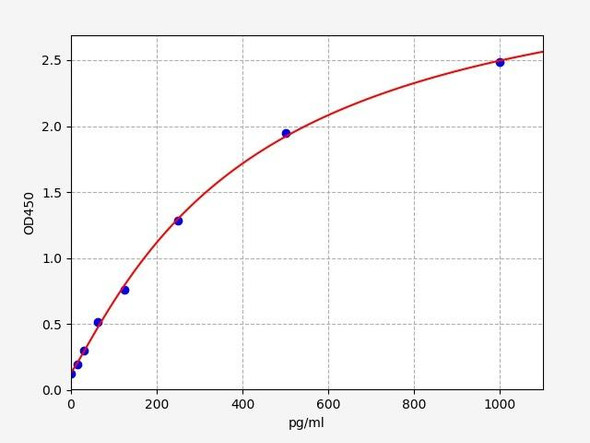

Human CAT (Catalase) ELISA Kit (HUFI07676)
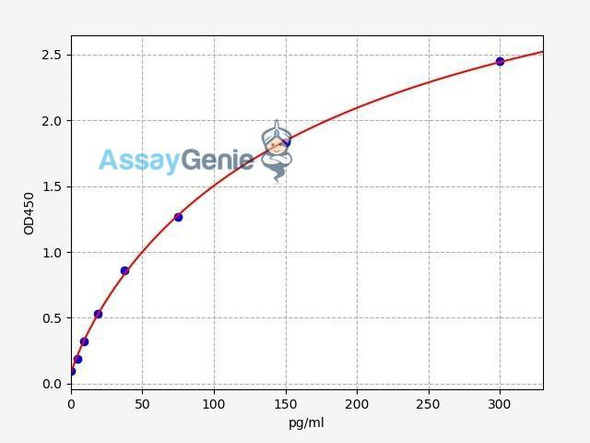
Human IL-6 ELISA Kit (HUFI00180)
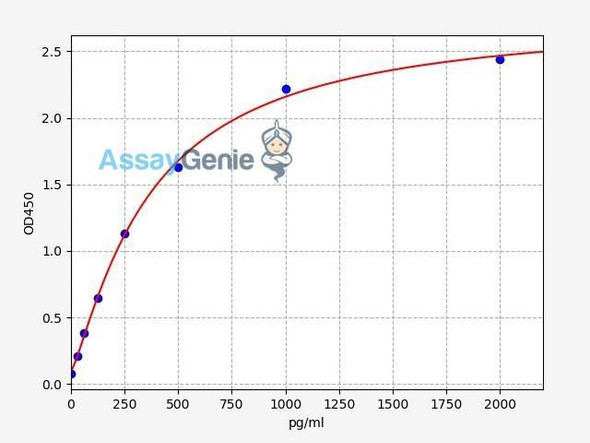
Human CRP ELISA Kit (HUFI00088)

Serotonin ELISA Kit (UNFI0018)


Human MICA ELISA Kit (HUFI00015)

Fatty Acid Oxidation (FAO) Assay Kit (BR00001)

Anti-Mouse IFNAR-1 In Vivo Antibody - Low Endotoxin (IVMB0202)

Anti-Mouse CD25 In Vivo Antibody - Low Endotoxin (IVMB0148)

Anti-Mouse NK1.1 In Vivo Antibody - Low Endotoxin (IVMB0100)
![Anti-Mouse PD-1 (CD279) [RMP1-14] In Vivo Antibody - Low Endotoxin](https://cdn11.bigcommerce.com/s-h68l9z2lnx/images/stencil/590x590/products/214372/569320/anti-mouse-pd-1-cd279-rmp1-14-in-vivo-antibody-low-endotoxin__18202.1743527968.jpg?c=2 "Anti-Mouse PD-1 (CD279) [RMP1-14] In Vivo Antibody - Low Endotoxin")
Anti-Mouse PD-1 Antibody [RMP1-14] In Vivo-Low Endotoxin (IVMB0037)


LSAMP Rabbit Polyclonal Antibody (CAB14248)
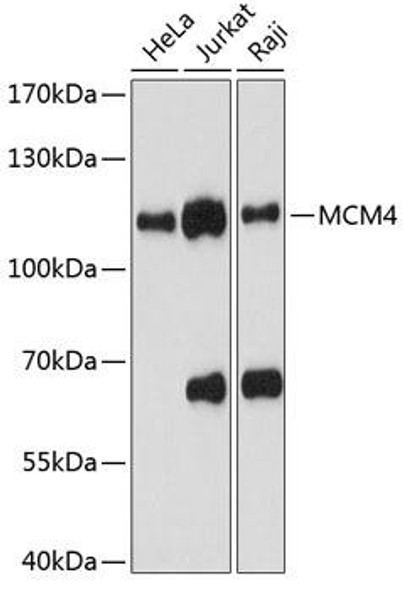
MCM4 Rabbit Polyclonal Antibody (CAB13513)

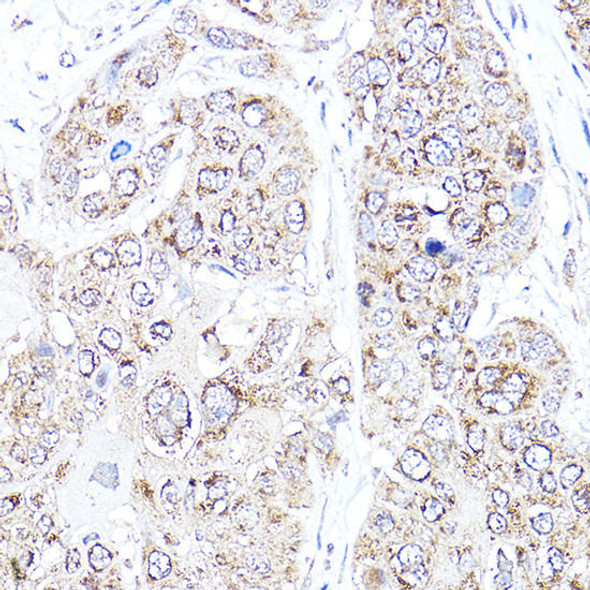
VEGF Rabbit Polyclonal Antibody (CAB12303)

MDA ELISA Kit (UNFI0048)

PGE2 ELISA Kit (UNFI0032)

