
Protease vs Peptidase: Understanding Enzymatic Digestion
Protease vs Peptidase: Understanding the Difference
Proteases and peptidases are the enzymes that cleave peptide bonds — breaking proteins down into peptides and peptides into amino acids. The two terms overlap heavily, and the distinction is more about convention than chemistry. This guide explains what each term means, the major catalytic classes (serine, cysteine, metallo- and aspartyl), how endo- and exopeptidases differ, and where these enzymes matter in biology and medicine.
Browse ELISA Kits →Protease: The Protein Digesters
Proteases, also known as proteolytic enzymes or proteinases, are enzymes that catalyze the hydrolysis of peptide bonds within proteins. These enzymes are indispensable in numerous biological processes, including digestion, cellular signaling, and protein turnover. In the context of digestion, proteases play a pivotal role in breaking down dietary proteins into smaller peptides and amino acids, facilitating their absorption in the intestines.
Proteases are classified into several categories based on their catalytic mechanisms, optimal pH ranges, and structural features. One common classification divides proteases based on their catalytic mechanisms into 4 major classes:
Serine proteases:
These enzymes utilize a serine residue within their active site to catalyze peptide bond cleavage. Serine proteases play critical roles in digestion, blood clotting, and immune responses.
Cysteine proteases:
These proteases employ a cysteine residue for catalysis and are found in various cellular processes, including apoptosis and protein degradation.
Metalloproteases
Metalloproteases require metal ions, such as zinc, for their catalytic activity. They are involved in diverse physiological functions, including tissue remodeling, cell signaling, and wound healing.
Aspartyl proteases:
Aspartyl proteases use aspartic acid residues within their active sites to facilitate peptide bond hydrolysis. Examples of aspartyl proteases include pepsin, which functions in the acidic environment of the stomach to initiate protein digestion, and the HIV protease, which plays a crucial role in the replication of the human immunodeficiency virus.
Peptidase: The Peptide Dismantlers
Peptidases, also referred to as peptide hydrolases or peptidyl-peptide hydrolases, are enzymes responsible for the hydrolysis of peptide bonds within peptides and small proteins. While peptidases share the overarching function of cleaving peptide bonds, they primarily target shorter peptide substrates compared to proteases.
Similar to proteases, peptidases exhibit diversity in their classification based on catalytic mechanisms, optimal pH ranges, and substrate specificity. Peptidases can be broadly categorized into exopeptidases and endopeptidases, mirroring the classification of proteases:
Exopeptidases
These enzymes cleave peptide bonds at the terminal ends of peptides, releasing individual amino acids or dipeptides. Examples include aminopeptidases and carboxypeptidases.
Endopeptidases
Endopeptidases target internal peptide bonds within larger peptide substrates, generating shorter peptide fragments. Prominent examples include dipeptidases and tripeptidases.
Similar to proteases, peptidases also exhibit specificity for particular amino acid residues adjacent to the peptide bond they cleave, contributing to their diverse roles in biological processes.
Protease vs. Peptidase: A Comparative Analysis
While both proteases and peptidases share the common objective of hydrolyzing peptide bonds, they differ in their substrate specificity and the size of peptides they target. Proteases primarily focus on breaking down larger proteins into smaller peptides, while peptidases specialize in further degrading these peptides into individual amino acids or dipeptides.
Moreover, proteases typically exhibit broader substrate specificity compared to peptidases, allowing them to act on a wide range of protein substrates. In contrast, peptidases often display higher specificity for particular peptide sequences or terminal amino acids, reflecting their role in fine-tuning peptide metabolism and signaling pathways.
Protease vs Peptidase at a Glance
| Feature | Protease | Peptidase |
|---|---|---|
| Meaning | Any enzyme that cleaves peptide bonds in proteins | Strictly, an enzyme cleaving peptide bonds — often used for those acting on short peptides |
| Substrate | Large proteins and polypeptides | Peptides and the ends of polypeptide chains |
| Relationship | An umbrella term (all peptidases are proteases) | A subset/synonym; exopeptidases trim terminal residues |
| Cleavage site | Often internal (endopeptidase activity) | Terminal (exopeptidase) or internal (endopeptidase) |
| Classes | Serine, cysteine, metallo-, aspartyl | Amino-, carboxy-, di- and tripeptidases (exo); endopeptidases |
| Examples | Trypsin, caspases, MMPs, cathepsin D | DPP-4, ACE, aminopeptidases, carboxypeptidases |
Protease & Peptidase ELISA Kits
Assay Genie offers ELISA kits across every major protease and peptidase class discussed in this guide:
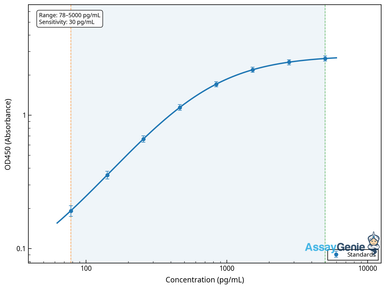
Human Neutrophil Elastase ELISA Kit
A serine protease released by neutrophils during inflammation.
View product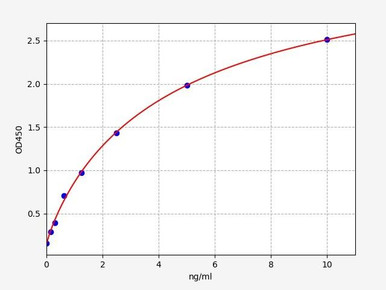
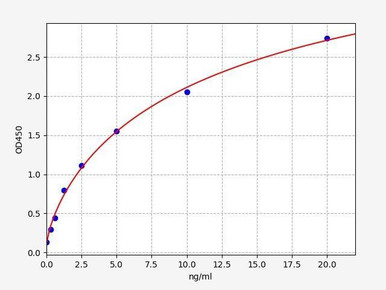

Human DPP-4 ELISA Kit
A dipeptidyl exopeptidase that trims two residues from peptide N-termini.
View product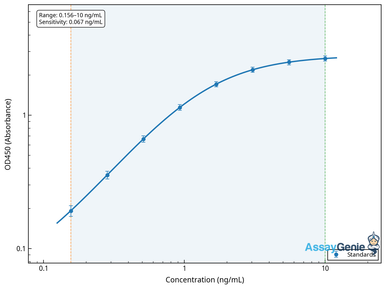
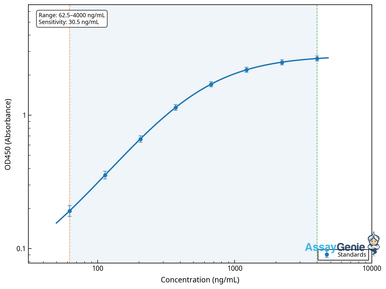
Human ACE ELISA Kit
Angiotensin-converting enzyme, a peptidase central to blood-pressure control.
View productFrequently Asked Questions
What is the difference between a protease and a peptidase?
In modern usage the terms are largely interchangeable — both cleave peptide bonds. "Protease" is the broader umbrella term, while "peptidase" often emphasises enzymes acting on shorter peptides, and includes exopeptidases that trim residues from the ends of a chain.
What are the main classes of protease?
Serine, cysteine, metallo- and aspartyl proteases, named after the catalytic residue or metal ion at the active site.
What is the difference between an endopeptidase and an exopeptidase?
Endopeptidases cleave internal peptide bonds within a chain, whereas exopeptidases remove residues from the N- or C-terminal ends.
Why are proteases important drug targets?
They drive processes such as inflammation, matrix remodelling, blood-pressure regulation and viral replication — ACE inhibitors and DPP-4 inhibitors are widely used medicines.
Conclusion
In summary, proteases and peptidases are integral components of the enzymatic machinery responsible for the digestion and metabolism of proteins and peptides. While both enzyme classes share the common function of hydrolyzing peptide bonds, they possess distinct characteristics in terms of substrate specificity, catalytic mechanisms, and physiological roles. Understanding the differences between proteases and peptidases is essential for comprehending the intricate processes underlying enzymatic digestion and cellular metabolism.
References:
- Takahashi, K., & Yamanaka, S. (2006). Induction of pluripotent stem cells from mouse embryonic and adult fibroblast cultures by defined factors. Cell, 126(4), 663-676. [DOI: 10.1016/j.cell.2006.07.024]
- Evans, M. J., & Kaufman, M. H. (1981). Establishment in culture of pluripotential cells from mouse embryos. Nature, 292(5819), 154-156. [DOI: 10.1038/292154a0]
- Bianco, P., Robey, P. G., & Simmons, P. J. (2008). Mesenchymal stem cells: revisiting history, concepts, and assays. Cell Stem Cell, 2(4), 313-319. [DOI: 10.1016/j.stem.2008.03.002]
- Thomson, J. A., Itskovitz-Eldor, J., Shapiro, S. S., Waknitz, M. A., Swiergiel, J. J., Marshall, V. S., & Jones, J. M. (1998). Embryonic stem cell lines derived from human blastocysts. Science, 282(5391), 1145-1147. [DOI: 10.1126/science.282.5391.1145]
- Wichterle, H., Lieberam, I., Porter, J. A., & Jessell, T. M. (2002). Directed differentiation of embryonic stem cells into motor neurons. Cell, 110(3), 385-397. [DOI: 10.1016/s0092-8674(02)00835-8]
- Weissman, I. L., & Shizuru, J. A. (2008). The origins of the identification and isolation of hematopoietic stem cells, and their capability to induce donor-specific transplantation tolerance and treat autoimmune diseases. Blood, 112(9), 3543-3553. [DOI: 10.1182/blood-2008-07-078139]
- Simonsen, J. L., Rosada, C., Serakinci, N., Justesen, J., Stenderup, K., Rattan, S. I., ... & Kassem, M. (2002). Telomerase expression extends the proliferative life-span and maintains the osteogenic potential of human bone marrow stromal cells. Nature Biotechnology, 20(6), 592-596. [DOI: 10.1038/nbt0602-592]
- Takahashi, K., Tanabe, K., Ohnuki, M., Narita, M., Ichisaka, T., Tomoda, K., & Yamanaka, S. (2007). Induction of pluripotent stem cells from adult human fibroblasts by defined factors. Cell, 131(5), 861-872. [DOI: 10.1016/j.cell.2007.11.019]
Umang Tyagi completed her Bachelor degree in Biotechnology from GGSIP University in Delhi, India and is currently pursuing a Research Masters in Medicine at University College Dublin.
Umang Tyagi is a scientific contributor at Assay Genie, writing on enzymology, molecular biology and laboratory methods.
Related reading
Studying proteases?
From MMP, cathepsin, elastase, DPP-4 and ACE ELISA kits to validated antibodies, Assay Genie supplies the reagents behind protease and enzymology research — backed by expert technical support.
Browse ELISA Kits →Recent Posts
-
LPS ELISA Troubleshooting: The Importance of Sample Nature
Quick answer A researcher measuring circulating lipopolysaccharide (LPS) in human serum …25th Sep 2026 -

Sekundärantikörper wählen: Die Regel, die im Labor wirklich zählt
Sekundärantikörper wählen: Die Regel, die im Labor wirklich zählt Wählen Sie einen Sekundärantikörp …24th Sep 2026 -

Anticuerpos para IHC: cómo validarlos y evitar falsos positivos
Anticuerpos para IHC: cómo validarlos y evitar falsos positivos Use anticuerpos con evidencia publi …24th Sep 2026