
Understanding the mTOR Signaling Pathway: A Key Player in Cell Growth and Metabolism
The mTOR Signalling Pathway
mTOR is a master regulator of cell growth, metabolism and survival, integrating nutrient, growth-factor and energy signals through two complexes — mTORC1 and mTORC2. This guide covers its structure, regulation, disease roles and therapeutic targeting.
Browse Signalling Antibodies →Quick answer
The mTOR (mechanistic target of rapamycin) pathway is a central regulator of cell growth, metabolism and survival. mTOR acts through two complexes — mTORC1 and mTORC2 — integrating signals from nutrients, growth factors and energy status. Its dysregulation drives cancer, metabolic disease and ageing, making it a major therapeutic target.
mTOR pathway antibodies
Dissect mTOR signalling with validated antibodies against the pathway’s core nodes — from mTOR itself to its phosphorylated downstream effectors.
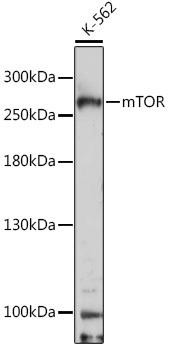
mTOR Antibody
Rabbit polyclonal antibody detecting total mTOR — the catalytic core of both mTORC1 and mTORC2.
View antibody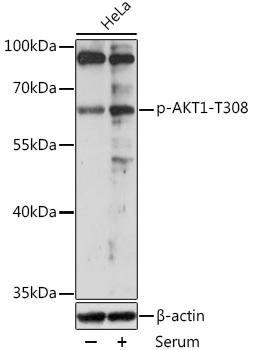
Phospho-AKT1 (T308) Antibody
Detects AKT1 phosphorylated at Thr308, a key activating node upstream of mTORC1.
View antibody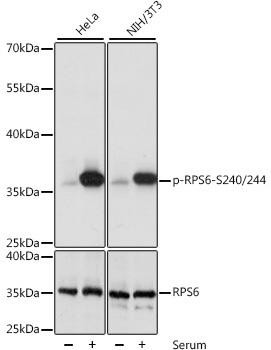
Phospho-S6 (S240/244) Antibody
Detects phosphorylated ribosomal protein S6, a classic readout of mTORC1 activity.
View antibodyOverview of mTOR Signaling:
mTOR, a serine/threonine kinase, functions as a part of two distinct complexes: mTOR Complex 1 (mTORC1) and mTOR Complex 2 (mTORC2). These complexes differ in their sensitivity to rapamycin, composition, and downstream effects.
mTOR Complex 1 (mTORC1):
mTORC1, sensitive to rapamycin, regulates cell growth by controlling protein synthesis. It responds to growth factors, amino acids, oxygen, and energy status. Key downstream targets of mTORC1 include S6 kinase (S6K) and the eukaryotic translation initiation factor 4E-binding protein 1 (4E-BP1), which play pivotal roles in protein synthesis.
mTOR Complex 2 (mTORC2):
mTORC2, less sensitive to rapamycin, is involved in cytoskeletal organization, cell survival, and lipid metabolism. It phosphorylates AKT/PKB, promoting cell survival and growth. mTORC2 also regulates ion transport and oxidative stress.
Regulation of the mTOR Pathway:
The mTOR pathway is regulated by various upstream signals:
- Growth Factors and Hormones: Insulin and other growth factors activate the PI3K-AKT pathway, leading to mTORC1 activation.
- Amino Acids: Essential amino acids, particularly leucine, stimulate mTORC1 directly.
- Cellular Energy Status: AMPK (AMP-activated protein kinase) acts as an energy sensor, inhibiting mTORC1 under low energy conditions.
- Oxygen and Redox Status: Hypoxia and oxidative stress can modulate mTOR activity.
Pathophysiological Implications:
The dysregulation of mTOR signaling is implicated in several diseases:
- Cancer: Many tumors show hyperactive mTOR signaling, contributing to uncontrolled cell growth and survival.
- Metabolic Disorders: Abnormal mTOR activity is linked to insulin resistance, obesity, and type 2 diabetes.
- Neurological Diseases: mTOR dysregulation is observed in neurodegenerative disorders like Alzheimer's disease and in tuberous sclerosis complex.
Therapeutic Targeting of mTOR:
Given its central role in cell growth and metabolism, mTOR is an attractive target for therapeutic intervention. Rapamycin and its analogs (rapalogs) are used to inhibit mTORC1 in various cancers and in the prevention of organ transplant rejection.
Conclusion
The mTOR signaling pathway is a critical regulator of cellular processes, with wide-reaching implications in health and disease. Understanding its complex regulatory mechanisms opens the door to novel therapeutic approaches in diverse pathological conditions.
References
1. Saxton, R. A., & Sabatini, D. M. (2017). mTOR Signaling in Growth, Metabolism, and Disease. Cell, 168(6), 960-976.
2. Laplante, M., & Sabatini, D. M. (2012). mTOR signaling in growth control and disease. Cell, 149(2), 274-293.
3. Dazert, E., & Hall, M. N. (2011). mTOR signaling in disease. Current Opinion in Cell Biology, 23(6), 744-755.
4. Zoncu, R., Efeyan, A., & Sabatini, D. M. (2011). mTOR: from growth signal integration to cancer, diabetes and ageing. Nature Reviews Molecular Cell Biology, 12(1), 21-35.
Tehreem Ali completed her MS in Bioinformatics and conducted her research work at the IOMM lab at GCUF, Pakistan.
Related articles
Researching cell signalling?
From phospho-specific antibodies to validated ELISA kits, Assay Genie supports signal-transduction research with publication-ready reagents and expert technical support.
Browse Signalling Antibodies →Recent Posts
-

Sofort anwendbar: Antigenretrieval für die IHC, Laborstartwert 120 °C
Beginnen Sie standardmäßig mit HIER (Heat-Induced Epitope Retrieval); PIER reservieren Sie für s …29th Aug 2026 -

Investigadores: elegir ELISA sandwich o indirecto con kits validados
Para cuantificar antígenos en matrices biológicas complejas elija ELISA sandwich; para detectar …29th Aug 2026 -

Dilutions 1:10 et 1:100 : détecter l'effet crochet en ELISA en labo
L’effet crochet est une chute paradoxale du signal ELISA lorsque la concentration d’analyte devi …29th Aug 2026