
-
T-Cell Engagers and Bispecific Antibodies(Page)
Adenosine Axis — CD39, CD73 and A2A Receptors(Page)
Gemtuzumab: Advancing CD33-Targeted Therapies in AML Research(Post)
Key Facts About GemtuzumabWhat is Gemtuzumab?Gemtuzumab is an antibody-drug conjugate (ADC) targeting CD33, a protein expressed on the surface of myeloid cells. It is widely recognized f
The Adenosine Axis: How CD39 and CD73 Switch Immunity Off(Post)The most abundant immunosuppressive molecule in a solid tumour is not a protein. It is adenosine — a metabolite, produced from ATP in two enzymatic steps, at concentrations orders of magnitude above
T-cell receptor (TCR) signalling(Page) Fc Receptors Explained: ADCC, ADCP, CDC and the CD32B Brake(Post)An antibody's variable domains decide what it binds. Its Fc decides what happens next — and that is not a detail of formulation, it is half the mechanism. Which Fcγ receptor the constant region engag
Cevostamab: Unveiling the Role of Anti-CD47 in Cancer Research(Post)Quick Info Section: Key Facts About CevostamabWhat is Cevostamab?Cevostamab is an investigational monoclonal antibody targeting CD47, a cell surface protein that helps cancer cells evade
CD39: A Novel Target to Overcome Immunosuppression in Cancer(Post)Introduction to CD39 and Cancer Immunosuppression CD39 is an ectonucleotidase enzyme that plays a crucial role in generating adenosine, a powerful immunosuppressive molecule within the tu
Brentuximab: Unveiling the Role of Anti-CD30 in Cancer Research(Post)Key Facts About BrentuximabWhat is Brentuximab?Brentuximab is a monoclonal antibody targeting CD30, commonly used in the treatment of Hodgkin lymphoma and systemic anaplastic large cell
T-Cell Engagers: Signal 1 Without Signal 2(Post)A T-cell engager does not give the T cell an instruction. It gives it an address. A bispecific antibody with one arm on CD3 and the other on a tumour antigen forces two membranes into contact and let
Talquetamab: Exploring its Role in Cancer Therapy and Ongoing Research(Post)Quick Info Section: Key Facts About TalquetamabWhat is Talquetamab?Talquetamab is a novel monoclonal antibody being developed for the treatment of multiple myeloma and other cancers. It
PD-1/PD-L1 Checkpoint Signalling: Pathway, Function and Assays(Post)PD-1 does not switch a T cell off; it moves the threshold. Engagement of PD-1 by PD-L1 recruits a single phosphatase into the immunological synapse, and that one recruitment event is enough to collap
In Vivo Cell Depletion: Antibody Targets, Fc Mechanisms and Dosing(Post)A depletion experiment is only as good as the depletion you can prove. Injecting a functional-grade antibody and assuming the population is gone is the most common failure mode in in vivo immunology.
CD4 T-Helper Differentiation: Th1, Th2, Th17, Treg and Tfh(Post)The antigen tells a CD4 T cell to respond; the cytokine tells it what kind of response to make. A naive CD4⁺ T cell leaving the thymus is uncommitted. Within about seventy-two hours of engaging TCR/C
T-Cell Receptor Signalling: The Complete Pathway, Branch by Branch(Post)The T-cell receptor is the most finely calibrated detector in immunology. It must discriminate an agonist peptide present at a few dozen copies from a self peptide present at tens of thousands, and i
Antigen Processing & Presentation(Page) Nfkb signalling pathway · HTM(Page) NF-κB Signalling Pathway(Page) Co-Inhibitory Checkpoints Beyond PD-1: CTLA-4, LAG-3 and TIM-3(Post)PD-1 gets the attention, but it is one brake among many — and the others do not work the same way. The co-inhibitory receptors are routinely drawn as interchangeable stop signs on a T cell. They are
Innate Immune System Explained: Step-by-Step Process & Key Concepts(Post)Immunology · Cell BiologyCells of the Innate Immune System: Types, Functions and MarkersThe innate immune system responds within minutes, without prior exposure, using cells that recognise conserved m
Immunophenotyping by Flow Cytometry and Cell Type Markers(Post)Immunophenotyping by Flow Cytometry Immunophenotyping is a technique used in the field of immunology and cell biology to identify and classify cells based on the specific proteins o
PI3K / AKT / mTOR Signalling in T Cells(Page) CD8+ T Cells: Understanding the Role of Cytotoxic T Cells in Immunity(Post)Immunology · T LymphocytesCD8+ T Cells: Cytotoxic Mechanisms, Memory and ExhaustionCD8+ T cells kill infected and transformed cells directly, and they do it with a specificity nothing else in the immu
T-Cell Co-Stimulation & Agonist Checkpoint Pathway(Page) Flow Cytometry Antibodies(Page)Flow Cytometry Antibodies | 16,900+ Conjugates & Panel Builder | Assay Genie
CD4+ T-helper cell differentiation(Page) Unconventional T Cells: Already Armed, and No MHC Required(Post)Most immunology is written as though a T cell must first be told what to look for. Three lineages did not read that memo. γδ T cells, invariant NKT cells and MAIT cells leave the thymus with their ef
Excluding Doublets in FACS Analysis: A Comprehensive Guide(Post)Flow Cytometry · GatingExcluding Doublets in Flow Cytometry: Pulse Geometry and Gating StrategyTwo cells passing the laser together are recorded as one event, with roughly double the signal. In DNA co
NF-κB Signalling Pathway: Canonical and Non-Canonical Routes(Post)NF-κB is not one pathway, it is two clocks running at different speeds. The canonical arm fires within minutes of TNF-α, IL-1β or LPS reaching the surface, peaks, and is switched off by feedback it e
In Vivo depletion atlas(Page) PI3K/AKT/mTOR Signalling in T Cells: Pathway, Function and Assays(Post)PI3K does not switch on a protein — it rewrites a membrane. Everything downstream follows from one chemical event: the 3-hydroxyl of a phosphoinositide is phosphorylated, PIP₂ becomes PIP₃, and every
Allorecognition Pathway: Transplant Rejection, DSA and GvHD(Post)Transplant rejection is the fastest, most violent adaptive immune response a body can mount — and it is a response to a molecule rather than to a pathogen. Somewhere between one and ten per cent of a
PD-1 PD-L1 Pathway Diagram(Page) Protein Glycosylation for Labs: Mechanisms, Workflows, and Reagent Tips(Post)Protein Glycosylation for Labs: Mechanisms, Workflows, and Reagent Tips Protein glycosylation is the enzymatic covalent attachment of sugar chains (glycans) to specific amino acid side chains, most co
3D Organoid Cell Viability Assay: Assessing Environmental Stress on BENOs for Live Delivery(Post)3D Organoid Cell Viability Assay (AKES081) effectively measures BENO model viability across different storage conditions. AKES081 detects significant viability differences, particularly
The role of IL-18 in health and disease(Post)Exploring IL-18: A key cytokine in inflammation and disease. Key Takeaways: IL-18, a pro-inflammatory cytokine, plays a pivotal role in immune responses, particularly in inducing Type II
Fgf Signaling Pathway Explained: Step-by-Step Process & Key Concepts(Post)Fibroblast growth factors (FGFs) are pivotal in regulating cellular processes, including proliferation, differentiation, and survival. The FGF signaling pathways play a critical role in embryonic
Co-Inhibitory Checkpoints & T-Cell Exhaustion(Page) The Next Leap in Cancer Treatment: CAR-T Cell Therapy's Journey to Mainstream Medicine(Post)For decades, the fight against cancer has been a grueling battle of attrition, with treatments often as harsh as the disease itself. But a revolutionary approach, chimeric antigen receptor (CAR)-T cel
Genieplex Multiplex Citations(Page) GeniePlex Featured Publications(Page) Unconventional T Cells: Gamma Delta, iNKT and MAIT(Page) Optimizing Organoid Culture Conditions: Paving the Way for Revolutionary Advances in Biomedical Research(Post)In the dynamic landscape of biomedical research, organoids have emerged as a groundbreaking tool, offering three-dimensional (3D) models that mimic the complex architecture and functionality of hu
Chemokines versus Cytokines: A Detailed Comparative Study(Post)The complex interplay between chemokines and cytokines is fundamental to the immune system's function, orchestrating the body's response to infection, inflammation, and injury. This detailed analy
Histamine Receptors: Gatekeepers of Immunological and Neurological Responses(Post)Immunology · NeuroscienceHistamine Receptors: H1, H2, H3 & H4 ExplainedHistamine receptors are the G protein-coupled receptors through which histamine controls allergy, gastric acid secretion, neurotr
Freezing Stimulated T Cells: A Detailed Guide(Post)Cryopreservation of stimulated T cells is a common technique in immunology research, allowing for long-term storage while maintaining their functional viability. Stimulated T cells—especi
Positive Control vs Negative Control(Post)T cell activation is a crucial process in the immune response, playing a pivotal role in how the body responds to pathogens and maintains immune homeostasis. This intricate process involves severa
Antibody Conjugation: Techniques and Applications(Post)Antibody conjugation is a pivotal technique in biomedical research and diagnostic applications. This process involves the covalent attachment of a molecule, such as a drug, toxin, enzym
Mononuclear Phagocytes in Health and Disease(Post)Mononuclear phagocytes, essential in immunity and homeostasis, perform diverse roles from phagocytosis to tissue repair, influencing health and disease. Key Takeaways: Mononuclear p
How to Choose a Secondary Antibody(Post)The selection of a secondary antibody is a critical step in the experimental design of various immunodetection methods, including Western Blot, ELISA, immunohistochemistry (IHC), and immunofluores
Nod-Like Receptor Signaling Pathway: A Keystone in Innate Immunity(Post)The innate immune system, a primary line of defense against pathogens, comprises various cellular and molecular mechanisms. Among these, the Nod-like Receptor (NLR) signaling pathways play a criti
VEGF-A VEGFR-2 Signaling: Decoding the Blueprint of Angiogenesis for Therapeutic Insights(Post)The orchestration of angiogenesis, the process by which new blood vessels form from pre-existing ones, is a complex symphony regulated by various molecular players. At the forefront of this int
Labeling Non-Antibody Proteins and Small Molecules: An Advanced Guide(Post)In the evolving landscape of biochemical research and diagnostic assay development, the ability to label non-antibody proteins and small molecules with high precision has become indispensable. Thi
The NLRP3 inflammasome & pyroptosis(Page) CAR-T Cell Signalling Pathway: Costimulation, Output and Assays(Post)A chimeric antigen receptor is a synthetic protein wired into a real signalling pathway. The extracellular half is an antibody fragment; everything below the membrane is borrowed from the T-cell rece
ELISA Troubleshooting: Total Protein Normalization in Lysates(Post)QUICK ANSWER A researcher ran a panel of EMT-marker ELISA kits (E-cadherin, claudin-1, N-cadherin, vimentin, ZEB1, TWIST1) on breast cell-line lysates and found E-cadherin reading "pos
Navigating the Intricacies of Intracellular Flow Cytometry: Key Considerations(Post)In the evolving landscape of cellular biology, intracellular flow cytometry (ICFC) stands out as a powerful technique for analyzing the complexities within cells. This advanced method extends the
Vascular Endothelial Growth Factor A (VEGFA): A Cornerstone in Angiogenesis and Beyond(Post)Vascular Endothelial Growth Factor A (VEGFA) is a pivotal signaling protein involved in both vasculogenesis and angiogenesis, processes essential for the formation of blood vessels during embryoni
2025 Nobel Prize in Medicine: Regulatory T Cells and Peripheral Immune Tolerance(Post)The 2025 Nobel Prize in Physiology or Medicine has been awarded to a trio of scientists for their groundbreaking work on peripheral immune tolerance, a mechanism that prevents our immune system from a
Protease vs Peptidase: Understanding Enzymatic Digestion(Post)Enzymology · Protein DegradationProtease vs Peptidase: Understanding the DifferenceProteases and peptidases are the enzymes that cleave peptide bonds — breaking proteins down into peptides and peptide
T-Cell Co-Stimulation and Agonist Checkpoint Signalling Explained(Post)Signal 1 tells a T cell what it is looking at; signal 2 tells it whether to care. The same peptide–MHC engagement that launches a productive effector response can just as easily install an anergy pro
Adipokines and Insulin Signaling Pathways: An In-Depth Exploration(Post)The prevalence of obesity and its associated metabolic disorders has risen dramatically in recent decades, presenting a significant global health challenge. Adipose tissue, once considered mere
Exploring Organelle Markers: Illuminating the Cellular Landscape(Post)The eukaryotic cell is a complex and dynamic system with distinct membrane-bound compartments known as organelles, each performing specialized functions essential for cellular survival. To better
Innate Lymphoid Cells Differentiation: Guardians of Immune Homeostasis(Post)Innate Lymphoid Cells (ILCs) represent a fascinating component of the immune system, playing a crucial role in maintaining tissue homeostasis and mounting rapid responses against pathogens. The
Interactive Pathway Diagrams(Page) Understanding T Cell Fatigue: Implications for Immune Function and Therapeutic Interventions(Post)T cells are central players in adaptive immunity, responsible for recognizing and eliminating infected or aberrant cells. Upon encountering antigens, T cells undergo clonal expansion and differ
Dendritic Cells: Tracing the Developmental Lineage Pathway(Post)Dendritic cells (DCs) are pivotal in the immune system, orchestrating innate and adaptive immune responses. Understanding their developmental lineage pathway is crucial in immunology, particularly
Antikörperwahl: Vier Prioritäten für labornahe Durchflusszytometrie(Post)Wählen Sie Antikörper für Ihre Durchflusszytometrie anhand von vier Prioritäten: validiertes Zielantigen mit passendem Klon, ein Fluorochrom, das zu Expressionsstärke und Panel-Design passt, eine
Featured
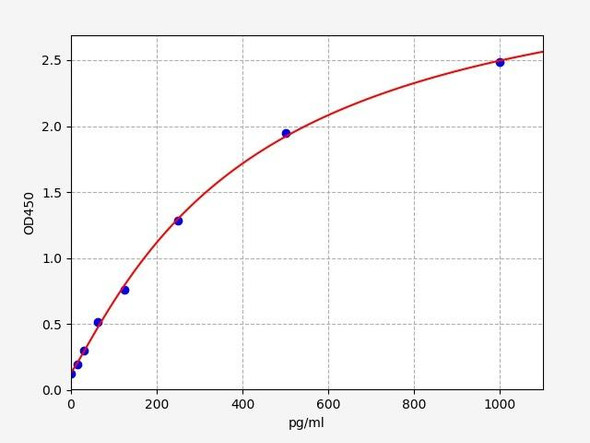

Human CAT (Catalase) ELISA Kit (HUFI07676)
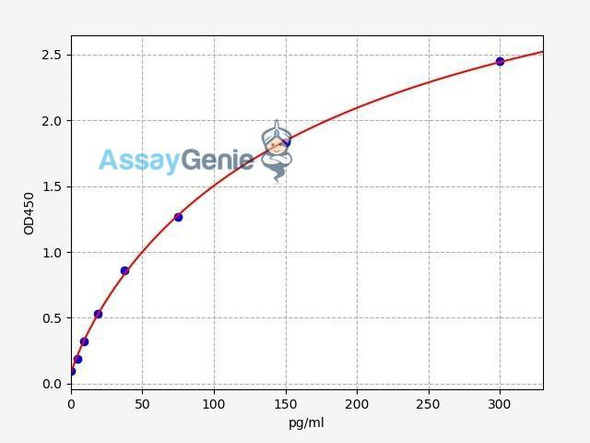
Human IL-6 ELISA Kit (HUFI00180)
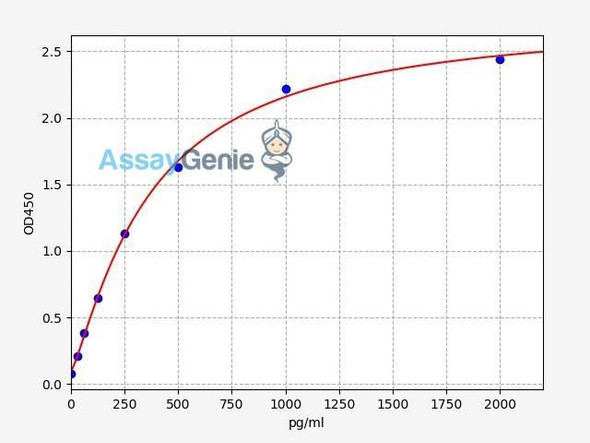
Human CRP ELISA Kit (HUFI00088)

Serotonin ELISA Kit (UNFI0018)


Human MICA ELISA Kit (HUFI00015)

Fatty Acid Oxidation (FAO) Assay Kit (BR00001)

Anti-Mouse IFNAR-1 In Vivo Antibody - Low Endotoxin (IVMB0202)

Anti-Mouse CD25 In Vivo Antibody - Low Endotoxin (IVMB0148)

Anti-Mouse NK1.1 In Vivo Antibody - Low Endotoxin (IVMB0100)
![Anti-Mouse PD-1 (CD279) [RMP1-14] In Vivo Antibody - Low Endotoxin](https://cdn11.bigcommerce.com/s-h68l9z2lnx/images/stencil/590x590/products/214372/569320/anti-mouse-pd-1-cd279-rmp1-14-in-vivo-antibody-low-endotoxin__18202.1743527968.jpg?c=2 "Anti-Mouse PD-1 (CD279) [RMP1-14] In Vivo Antibody - Low Endotoxin")
Anti-Mouse PD-1 Antibody [RMP1-14] In Vivo-Low Endotoxin (IVMB0037)


LSAMP Rabbit Polyclonal Antibody (CAB14248)
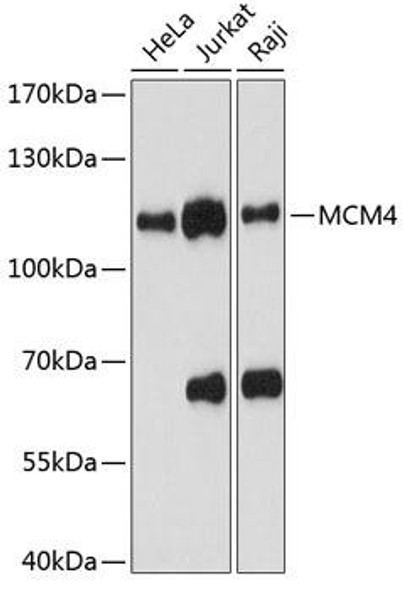
MCM4 Rabbit Polyclonal Antibody (CAB13513)

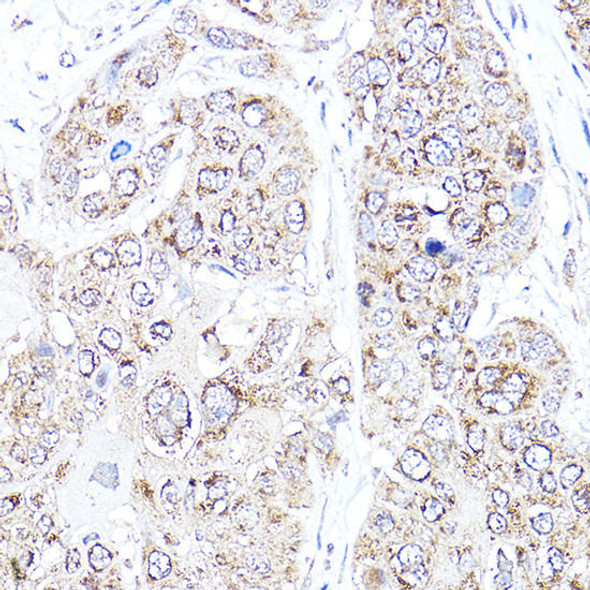
VEGF Rabbit Polyclonal Antibody (CAB12303)

MDA ELISA Kit (UNFI0048)

PGE2 ELISA Kit (UNFI0032)

