
Neuroinflammation and Compulsive Behavior: The Role of Astrocytes in OCD
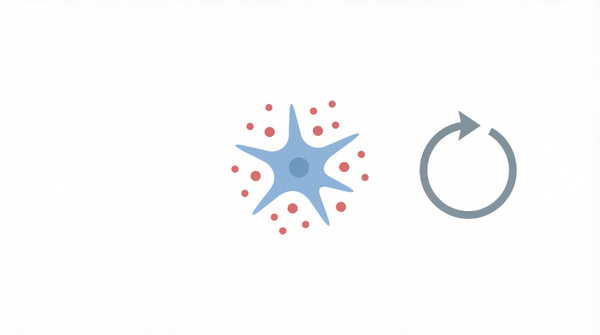
Imagine a mind trapped in a loop, endlessly repeating actions or thoughts, driven by an invisible force. For millions worldwide, this is the reality of Obsessive-Compulsive Disorder (OCD). While traditionally viewed through a lens of neuronal dysfunction, emerging research is shining a spotlight on an unexpected player in this complex neurological drama: astrocytes. These star-shaped glial cells, once considered mere support, are now revealing their profound influence on brain inflammation and, consequently, compulsive behaviors.
Introduction
Obsessive-Compulsive Disorder (OCD) is a debilitating neuropsychiatric condition characterized by intrusive, unwanted thoughts (obsessions) and repetitive behaviors or mental acts (compulsions) performed to alleviate anxiety. Its intricate etiology has long been a subject of intense scientific inquiry, with traditional models often focusing on dysfunctions within neuronal circuits, particularly the cortico-striato-thalamo-cortical (CSTC) loop. However, a paradigm shift is underway, increasingly recognizing the critical involvement of neuroinflammation in psychiatric disorders. This inflammatory response, often subtle yet persistent, can significantly alter brain function and contribute to the manifestation of symptoms. Within this evolving understanding, astrocytes, the most abundant glial cells in the central nervous system, are emerging as pivotal mediators. Their diverse roles, from maintaining synaptic homeostasis to modulating immune responses, position them as key players in the neurobiological underpinnings of OCD, offering new avenues for therapeutic exploration.
The Brain's Unsung Heroes: Astrocytes and Their Critical Functions
For decades, neurons held the spotlight in neuroscience, with astrocytes often relegated to a supporting role. Yet, these star-shaped glial cells are far from passive bystanders; they are dynamic participants in nearly every aspect of brain function. Astrocytes regulate neurotransmitter levels, maintain the blood-brain barrier, provide metabolic support to neurons, and modulate synaptic plasticity. Their intricate interactions with neurons are fundamental for healthy brain activity. However, when these vital functions are disrupted, the consequences can be profound. Emerging evidence suggests that astrocyte dysfunction can contribute to a spectrum of neurological and psychiatric conditions, including OCD. Understanding their normal physiological roles is therefore paramount to appreciating how their dysregulation can lead to pathological states.
Unraveling the Inflammatory Link: Neuroinflammation in OCD
The notion that inflammation plays a role in psychiatric disorders, including OCD, is gaining significant traction. Neuroinflammation, a protective response of the brain to injury or infection, can become detrimental when chronic or dysregulated. Studies utilizing advanced imaging techniques, such as Positron Emission Tomography (PET), are beginning to visualize neuroinflammatory activity in OCD. These findings indicate that an overactive immune response within the brain might be a key contributor to the disorder's pathology. This inflammatory milieu can disrupt neuronal communication, alter neurotransmitter systems, and impair brain circuits involved in decision-making and habit formation, all of which are central to the manifestation of compulsive behaviors. The challenge now lies in pinpointing the specific cellular players and molecular pathways involved in this inflammatory cascade.
Astrocytes at the Crossroads: Mediating Neuroinflammation and Compulsivity
The intersection of astrocyte dysfunction and neuroinflammation appears to be a critical nexus in OCD. Recent research highlights how striatal neuroinflammation disrupts astrocyte-mediated action control, suggesting a direct link between inflammation, astrocyte health, and compulsive behaviors. Astrocytes are crucial for maintaining glutamate and GABA homeostasis, and disruptions in these systems are well-documented in OCD. When astrocytes become reactive due to neuroinflammation, their ability to regulate these neurotransmitters is compromised, potentially leading to excitatory/inhibitory imbalances that drive repetitive actions. Furthermore, striatal astrocytes influence neurons and neural circuits, meaning their impaired function can have widespread effects on brain regions implicated in OCD. This intricate interplay underscores astrocytes not just as passive responders to inflammation, but as active contributors to the neurobiological mechanisms underlying compulsive behavior.
New Avenues for Intervention: Targeting Astrocytes in OCD
The growing understanding of astrocytes' role in OCD opens exciting new therapeutic possibilities. If astrocyte dysfunction is indeed a novel therapeutic target for OCD, then interventions aimed at restoring their healthy function or modulating their inflammatory responses could prove beneficial Astrocyte dysfunction as a novel OCD therapeutic target. For instance, studies have shown that astrocyte signaling corrects compulsive-like grooming behaviors in animal models, indicating that specific astrocytic pathways can be leveraged to mitigate symptoms. Beyond direct pharmacological targeting, research into astrocyte-stratified variants linking inflammation to OCD could lead to personalized medicine approaches, identifying individuals most likely to benefit from astrocyte-focused treatments. Even astrocyte-derived vesicles implicate neuroinflammation in OCD, suggesting that these tiny cellular messengers could serve as diagnostic biomarkers or even therapeutic delivery vehicles. These findings collectively point towards a future where treatments for OCD extend beyond traditional neuronal targets to embrace the complex world of glial cell biology.
A New Horizon in OCD Research and Treatment
The journey to fully understand and effectively treat Obsessive-Compulsive Disorder is ongoing, but the emerging focus on neuroinflammation and the pivotal role of astrocytes represents a significant leap forward. Moving beyond a neuron-centric view, we are beginning to appreciate the intricate cellular ecosystem of the brain and how disruptions within it can drive complex psychiatric conditions. The evidence strongly suggests that astrocytes are not merely supportive cells but active participants in the inflammatory processes that contribute to compulsive behaviors. This paradigm shift not only deepens our understanding of OCD's neurobiology but also illuminates novel pathways for intervention. As research continues to unravel the precise mechanisms by which astrocytes mediate neuroinflammation and influence compulsive circuits, the promise of more targeted and effective therapies for those living with OCD grows ever brighter.
References
- Abiero AR, Gladding JM, et al. (2026). Dorsomedial striatal neuroinflammation causes excessive goal-directed action control by disrupting astrocyte function.. Neuropsychopharmacology. 51(2):486-496. PMID: 41015610
- Gonzalez L, Bezzi P. (2025). Astrocyte Dysfunctions in Obsessive Compulsive Disorder: Rethinking Neurobiology and Therapeutic Targets.. Journal of Neurochemistry. 169(5):e70092. PMID: 40400176
- Soto JS, Neupane C, et al. (2024). Astrocyte Gi-GPCR signaling corrects compulsive-like grooming and anxiety-related behaviors in Sapap3 knockout mice.. Neuron. 112(20):3412-3423.e6. PMID: 39163865
- Khakh BS. (2025). On astrocyte-neuron interactions: Broad insights from the striatum.. Neuron. 113(19):3079-3107. PMID: 40972575
- Zhou Q, Gong T, et al. (2025). Identification of specific brain cell types associated with the interplay between inflammatory bowel diseases and neuropsychiatric disorders by Cell-Stratified Mendelian Randomisation.. EBioMedicine. 122:105987. PMID: 41207220
- Liu YD, Chang YH, et al. (2025). PET Imaging Unveils Neuroinflammatory Mechanisms in Psychiatric Disorders: From Microglial Activation to Therapeutic Innovation.. Molecular Neurobiology. 62(12):15318-15335. PMID: 40610825
- Humble MB, Mobarrez F, et al. (2025). Aquaporin-4 positive extracellular vesicles and cytokines in cerebrospinal fluid in schizophrenia and obsessive-compulsive disorder, and associations with peripheral cytokines.. Schizophrenia Research. 284:195-203. PMID: 40818440
Recent Posts
-
Turning Tumors Against Themselves: In Vivo Reprogramming of Cancer Cells into Dendritic Sentinels
Imagine a future where cancer cells, once masters of disguise, are forced to reveal themselves and …3rd Apr 2026 -
Programmable Synthetic Hybrid Receptors (Hybrid-Rs): The Next Generation of Precision Immunotherapy
Imagine a world where cancer treatment is no longer a blunt instrument but a precision-guided surgi …31st Mar 2026 -
The Neural Shield: How Cancer-Induced Nerve Injury Drives Immunotherapy Resistance
For years, our understanding of cancer focused primarily on the tumor cells themselves and the immu …29th Mar 2026