
Next-Generation Cancer Therapy: Harnessing CAR-T Cells and the Tumor Microenvironment
For decades, the fight against cancer has been a relentless battle of attrition, often with treatments that harm the body as much as the disease. But a new era of precision medicine is dawning, one that empowers our own immune systems to become the ultimate weapon against tumors. At the forefront of this revolution is CAR-T cell therapy, a groundbreaking approach that reprograms T cells to recognize and destroy cancer. Recent breakthroughs are not only refining this powerful technology but also revealing how the intricate ecosystem of the tumor itself—the tumor microenvironment (TME)—holds the key to unlocking its full potential. A recent study highlights that reshaping the tumor immune microenvironment can dramatically improve CAR-T cell efficacy, offering new hope for patients with even the most challenging cancers.
Introduction
Chimeric antigen receptor (CAR )-T cell therapy has already achieved remarkable success in treating hematologic malignancies, leading to FDA-approved therapies that have saved countless lives. However, extending this success to solid tumors has been a formidable challenge. Solid tumors are masters of disguise and defense, creating a hostile microenvironment that suppresses immune attacks and limits the effectiveness of even the most advanced therapies. Researchers are now tackling this problem from multiple angles, from engineering more sophisticated CAR-T cells to developing strategies that dismantle the tumor's defenses. This multi-pronged approach, which combines advanced CAR-T antigen selection and modification with strategies to modulate the TME, is paving the way for the next generation of cancer immunotherapies.
Study Summary
To overcome the limitations of current treatments, scientists are exploring innovative CAR-T cell designs and combination therapies. One of the most promising new strategies is the use of tandem CAR-T cells, which can recognize multiple cancer antigens simultaneously, preventing cancer cells from escaping by simply losing a single marker. This approach, combined with a deeper understanding of the tumor microenvironment, is creating a paradigm shift in how we approach cancer treatment. The latest research demonstrates that by targeting the TME, we can make tumors more susceptible to immunotherapy, effectively lowering their shields and allowing CAR-T cells to do their job.
Key Findings
Recent studies have illuminated several key areas of progress:
- Enhanced CAR-T Cell Design: Researchers are developing novel CAR-T constructs, such as tandem CARs, that can recognize multiple tumor antigens. This multi-pronged attack reduces the risk of antigen escape, a common mechanism of resistance to single-target therapies.
- Tumor Microenvironment Modulation: The TME is a complex ecosystem of cells, blood vessels, and signaling molecules that can either help or hinder an immune attack. Scientists have found that targeting the immunosuppressive elements of the TME can significantly enhance the effectiveness of CAR-T cell therapy.
- Immune Checkpoint Inhibitors: Combining CAR-T cell therapy with immune checkpoint inhibitors, which release the natural brakes on the immune system, has shown great promise. A massive study of over 8,000 patients confirmed that tumor mutational burden is a key predictor of survival on immune checkpoint inhibition, providing a valuable biomarker for patient selection.
Biological Mechanisms
To understand why these findings matter mechanistically, it's essential to appreciate the intricate dance between cancer cells and the immune system. Cancer cells often exploit natural immune checkpoints to evade detection and destruction. Immune checkpoint inhibitors work by blocking these inhibitory signals, essentially unleashing the full power of the immune system against the tumor. CAR-T cells take this a step further by providing T cells with a synthetic receptor that allows them to recognize and bind to specific antigens on the surface of cancer cells.
Molecular Pathways
The tumor microenvironment adds another layer of complexity. Hypoxia, acidic pH, and the presence of immunosuppressive cells like regulatory T cells (Tregs ) and myeloid-derived suppressor cells (MDSCs) all contribute to a hostile environment for CAR-T cells. Recent research has focused on understanding the specific molecular pathways that govern this immunosuppression, particularly in challenging cancers like triple-negative breast cancer. By targeting these pathways, we can create a more favorable environment for CAR-T cells to thrive and exert their anti-tumor effects.
Relevance to Human Health
Beyond the molecular picture, the implications for human health are substantial. The ability to engineer more effective CAR-T cells and modulate the tumor microenvironment has the potential to transform cancer treatment. This research shows that targeting the tumor microenvironment is a viable and powerful strategy for improving immunotherapy outcomes, opening up new possibilities for patients who have exhausted other treatment options.
Therapeutic Applications
- Solid Tumors: The strategies described here are particularly relevant for the treatment of solid tumors, which have historically been resistant to CAR-T cell therapy.
- Personalized Medicine: By analyzing the specific characteristics of a patient's tumor and its microenvironment, we can tailor immunotherapy strategies to maximize their effectiveness.
- Combination Therapies: The future of cancer treatment likely lies in combination therapies that attack tumors from multiple angles. The research discussed here provides a strong rationale for combining CAR-T cell therapy with TME-modulating agents and immune checkpoint inhibitors.
Future Directions
Despite these advances, key questions remain. Scientists are now investigating how to optimize the design of multi-antigen targeting CAR-T cells and how to best combine them with other therapies. The next phase of research will likely focus on developing even more sophisticated strategies for overcoming the immunosuppressive tumor microenvironment and preventing treatment resistance. The development of novel biomarkers to predict which patients are most likely to respond to these therapies is also a critical area of investigation.
Conclusion
This breakthrough research represents an important advance in our understanding of cancer immunotherapy and opens new avenues for the development of more effective treatments. By harnessing the power of our own immune systems and learning how to overcome the formidable defenses of cancer, we are moving closer to a future where cancer is no longer a death sentence, but a manageable disease. The momentum in this field is palpable, and the coming years are sure to bring even more exciting discoveries that will change the lives of millions of patients worldwide.
References
- Zamani MR, Šácha P. (2025 ). Immune checkpoint inhibitors in cancer therapy: what lies beyond monoclonal antibodies?. Med Oncol. 42(7):273. PMID: 40536609
- Gómez-Melero S, Hassouneh F, et al. (2025 ). Tandem CAR-T cell therapy: recent advances and current challenges. Front Immunol. 16:1546172. PMID: 40092990
- Khan SH, Choi Y, Veena M, Lee JK, Shin DS. (2025 ). Advances in CAR T cell therapy: antigen selection, modifications, and current trials for solid tumors. Front Immunol. 15:1489827. PMID: 39835140
- Gandara DR, Agarwal N, et al. (2025 ). Tumor mutational burden and survival on immune checkpoint inhibition in >8000 patients across 24 cancer types. J Immunother Cancer. 13(2):e010311. PMID: 39915003
- Xia X, Yang Z, Lu Q, et al. (2024 ). Reshaping the tumor immune microenvironment to improve CAR-T cell-based cancer immunotherapy. Mol Cancer. 23(1):175. PMID: 39187850
- Wang L, Zhang L, Zhang Z, Wu P, Zhang Y, Chen X. (2024 ). Advances in targeting tumor microenvironment for immunotherapy. Front Immunol. 15:1472772. PMID: 39421736
- Guo Z, et al. (2024 ). Tumor microenvironment and immunotherapy for triple-negative breast cancer. J Transl Med. 22(1):56. PMID: 39741315
- Padzińska-Pruszyńska IB, et al. (2024 ). Targeting Cancer: Microenvironment and Immunotherapy. Cancers (Basel). 16(10):1893. PMID: 39769334
Recent Posts
-
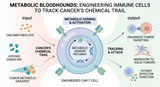
Metabolic Bloodhounds: Engineering Immune Cells to Track Cancer's Chemical Trail
Imagine a specialized squad of immune cells, meticulously trained and equipped, not just to fight c …27th Mar 2026 -
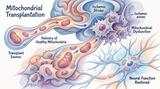
Mitochondrial Transplantation: A New Frontier in Restoring Neural Function After Ischemic Stroke
Imagine a future where the devastating impact of a stroke could be significantly mitigated, not jus …27th Mar 2026 -
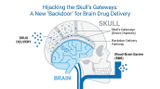
Hijacking the Skull's Gateways: A New 'Backdoor' for Brain Drug Delivery
For decades, the brain has been considered an immune sanctuary, protected by the formidable blood-b …27th Mar 2026