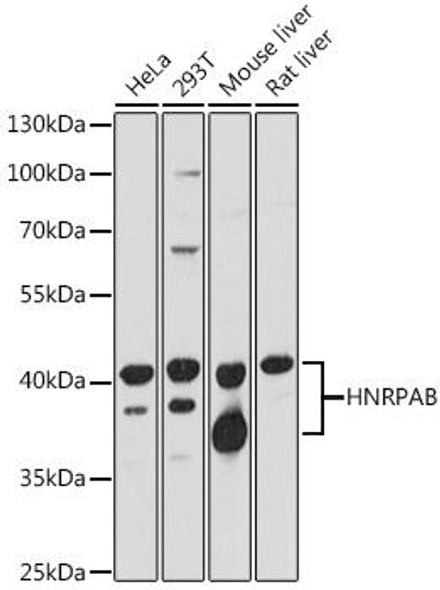
The MRJP1 Polyclonal Antibody (PAC035110) is a valuable tool for researchers studying MRJP1, a major royal jelly protein with various biological functions. This antibody, generated in rabbits, demonstrates high reactivity with human samples and is suitable for use in Western blot applications. By specifically binding to the MRJP1 protein, this antibody enables precise detection and analysis in a wide range of cell types, making it an ideal choice for studies in molecular biology and biomedicine.
MRJP1 is known for its diverse roles in biological processes, including antioxidant and antibacterial properties, as well as potential therapeutic applications in cancer, inflammation, and aging-related disorders. Investigating the functions of MRJP1 using this high-quality antibody is essential for gaining insights into its mechanisms of action and identifying potential therapeutic targets for various health conditions.
Antibody Name:
MRJP1 Antibody (PACO35110)
Antibody SKU:
PACO35110
Size:
50ug
Host Species:
Rabbit
Tested Applications:
ELISA
Recommended Dilutions:
Species Reactivity:
Apis mellifera
Immunogen:
Recombinant Apis mellifera Major royal jelly protein 1 protein (20-432AA)
Major royal jelly protein 1: induces the differentiation of honeybee larvae into queens through an Egfr-mediated signaling pathway. Promotes body size increase by activating p70 S6 kinase, stimulates ovary development by augmenting the titer of vitellogenin (Vg) and juvenile hormone, and reduces developmental time by increasing the activity of mitogen-activated protein kinase and inducing the 20-hydroxyecdysone protein (20E). Most abundant protein found in the royal jelly which is the food of the queen honey bee larva. The royal jelly determines the development of the young larvae and is responsible for the high reproductive ability of the honeybee queen
Synonyms:
Major royal jelly protein 1 (MRJP-1) (56-kDa protein 4) (p56kP-4) (Bee-milk protein) (Royalactin) [Cleaved into: Jellein-1 (Jelleine-I); Jellein-2 (Jelleine-II); Jellein-4 (Jelleine-IV)], MRJP1
UniProt Protein Function:
Major royal jelly protein 1: induces the differentiation of honeybee larvae into queens through an Egfr-mediated signaling pathway. Promotes body size increase by activating p70 S6 kinase, stimulates ovary development by augmenting the titer of vitellogenin (Vg) and juvenile hormone, and reduces developmental time by increasing the activity of mitogen-activated protein kinase and inducing the 20-hydroxyecdysone protein (20E). Most abundant protein found in the royal jelly which is the food of the queen honey bee larva. The royal jelly determines the development of the young larvae and is responsible for the high reproductive ability of the honeybee queen.