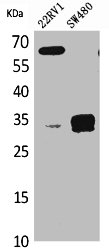
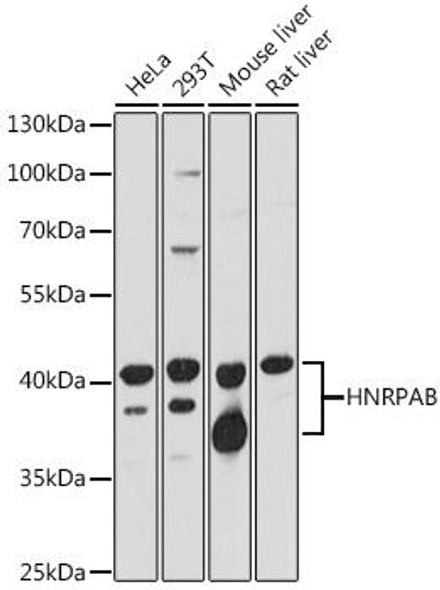
The SFTPA2 Polyclonal Antibody (PACO01904) is a valuable tool for researchers studying the surfactant protein A2 (SFTPA2), a critical component of the lung's innate immune defense system. This antibody, produced in rabbits, is highly specific for human samples and has been validated for use in Western blot applications. By binding to the SFTPA2 protein, this antibody enables the detection and analysis of SFTPA2 in various cell types, making it ideal for investigations in respiratory health and lung disease research.SFTPA2 is known for its role in lung surfactant function and host defense against respiratory pathogens. Dysregulation of SFTPA2 has been implicated in various lung diseases, including acute respiratory distress syndrome (ARDS) and pulmonary fibrosis.
Research into the expression and function of SFTPA2 is crucial for understanding the mechanisms underlying these diseases and developing targeted therapies.By using the SFTPA2 Polyclonal Antibody, researchers can gain insights into the biology of SFTPA2 and its involvement in lung health and disease. This antibody is a valuable tool for studies aiming to elucidate the role of SFTPA2 in respiratory infections, lung injury, and pulmonary disorders, ultimately contributing to advancements in the diagnosis and treatment of lung diseases.
Antibody Name:
SFTPA2 Antibody
Antibody SKU:
PACO01904
Size:
50ug
Host Species:
Rabbit
Tested Applications:
ELISA, WB
Recommended Dilutions:
WB:1:500-1:2000
Species Reactivity:
Human, Mouse, Rat
Immunogen:
synthesized peptide derived from the Internal region of human SP-A.
Form:
Liquid
Storage Buffer:
Liquid in PBS containing 50% glycerol, 0.5% BSA and 0.02% sodium azide.
Purification Method:
The antibody was affinity-purified from rabbit antiserum by affinity-chromatography using epitope-specific immunogen.
SFTPA2: In presence of calcium ions, it binds to surfactant phospholipids and contributes to lower the surface tension at the air-liquid interface in the alveoli of the mammalian lung and is essential for normal respiration. Defects in SFTPA2 are a cause of pulmonary fibrosis idiopathic (IPF). Pulmonary fibrosis is a lung disease characterized by shortness of breath, radiographically evident diffuse pulmonary infiltrates, and varying degrees of inflammation and fibrosis on biopsy. It results in acute lung injury with subsequent scarring and endstage lung disease. Belongs to the SFTPA family.Protein type: Secreted; Secreted, signal peptideChromosomal Location of Human Ortholog: 10q22.3Cellular Component: clathrin-coated endocytic vesicle; endoplasmic reticulum membrane; extracellular region; lamellar bodyBiological Process: cellular protein metabolic processDisease: Pulmonary Fibrosis, Idiopathic
UniProt Protein Details:
NCBI Summary:
This gene is one of several genes encoding pulmonary-surfactant associated proteins (SFTPA) located on chromosome 10. Mutations in this gene and a highly similar gene located nearby, which affect the highly conserved carbohydrate recognition domain, are associated with idiopathic pulmonary fibrosis. The current version of the assembly displays only a single centromeric SFTPA gene pair rather than the two gene pairs shown in the previous assembly which were thought to have resulted from a duplication. [provided by RefSeq, Sep 2009]