Description
TNF-alpha Monoclonal Antibody (CAB21265)
The TNF-alpha Monoclonal Antibody (CAB21265) is a high-quality antibody developed for reliable detection and analysis of target proteins. This monoclonal antibody, derived from mouse hybridoma cells, is highly specific for TNF and has been validated for use in various experimental applications, including ELISA, immunohistochemistry, and flow cytometry.TNF is a cytokine that plays a critical role in inflammation and the regulation of immune cells. Dysregulation of TNF signaling has been implicated in numerous diseases, including autoimmune disorders, inflammatory conditions, and cancer.
This antibody is validated for use in IHC-P, ELISA applications and has demonstrated reactivity against Human samples.
| Product Name: | TNF-alpha Monoclonal Antibody |
| SKU: | CAB21265 |
| Size: | 20μL, 100μL |
| Reactivity: | Human |
| Clone Number: | ARC52538 |
| Conjugate: | Unconjugated |
| Immunogen: | Recombinant protein (or fragment).This information is considered to be commercially sensitive. | ||||
| Sequence: | VRSS SRTP SDKP VAHV VANP QAEG QLQW LNRR ANAL LANG VELR DNQL VVPS EGLY LIYS QVLF KGQG CPST HVLL THTI SRIA VSYQ TKVN LLSA IKSP CQRE TPEG AEAK PWYE PIYL GGVF QLEK GDRL SAEI NRPD YLDF AESG QVYF GIIA L | ||||
| Tested Applications: | IHC-P ELISA | ||||
| Recommended Dilution: |
| ||||
| Synonyms: | DIF, TNFA, TNFSF2, TNLG1F, TNF-alpha, TNF-α |
| Cellular Localization: | Membrane, Secreted. |
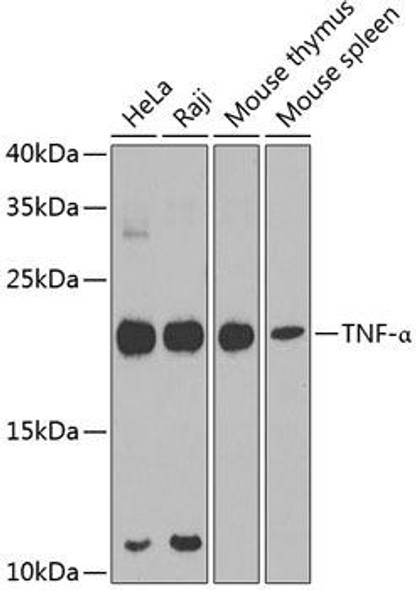
| Calculated MW: | 26kDa |
This gene encodes a multifunctional proinflammatory cytokine that belongs to the tumor necrosis factor (TNF) superfamily. This cytokine is mainly secreted by macrophages. It can bind to, and thus functions through its receptors TNFRSF1A/TNFR1 and TNFRSF1B/TNFBR. This cytokine is involved in the regulation of a wide spectrum of biological processes including cell proliferation, differentiation, apoptosis, lipid metabolism, and coagulation. This cytokine has been implicated in a variety of diseases, including autoimmune diseases, insulin resistance, psoriasis, rheumatoid arthritis ankylosing spondylitis, tuberculosis, autosomal dominant polycystic kidney disease, and cancer. Mutations in this gene affect susceptibility to cerebral malaria, septic shock, and Alzheimer disease. Knockout studies in mice also suggested the neuroprotective function of this cytokine.
| Purification Method | Affinity purification |
| Gene ID | 7124 |
| Buffer Information | Store at -20℃. Avoid freeze / thaw cycles. Buffer: PBS containing 50% glycerol and 0.05% BSA, preserved with proclin300 or sodium azide, pH 7.3. |
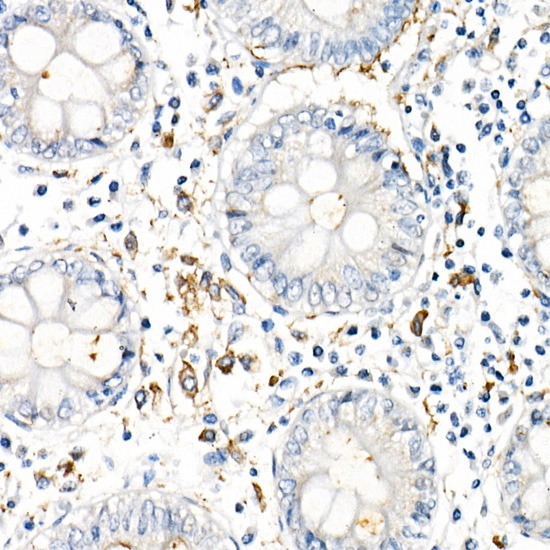 | Immunohistochemistry analysis of paraffin-embedded Human colon using TNF-α Rabbit mAb (CAB21265) at dilution of 1:1000 (40x lens). High pressure antigen retrieval performed with 0.01M Citrate buffer (pH 6.0) prior to IHC staining. |
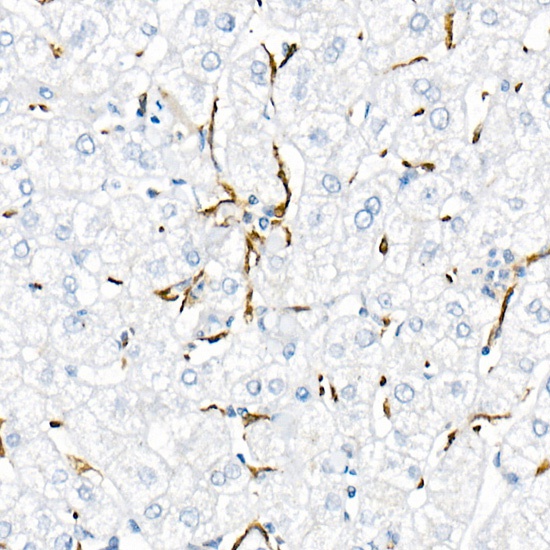 | Immunohistochemistry analysis of paraffin-embedded Human liver cancer using TNF-α Rabbit mAb (CAB21265) at dilution of 1:1000 (40x lens). High pressure antigen retrieval performed with 0.01M Citrate buffer (pH 6.0) prior to IHC staining. |
| Sally M. Khadrawy et al. | Royal Jelly and Chlorella vulgaris Mitigate Gibberellic Acid-Induced Cytogenotoxicity and Hepatotoxicity in Rats via Modulation of the PPARα/AP-1 Signaling Pathway and Suppression of Oxidative Stress and Inflammation | Foods 2023 | PubMed ID: 36981150 |
| Paramaswaran et al. | Vitamin A Precursor: Beta-Carotene Alleviates the Streptozotocin-Induced Diabetic Retinopathy in Male Adult Zebrafish via the Regulation of the Polyol Pathway | Investigative Ophthalmology & Visual Science 2025 | View Citation |
| Van Zandt, A.R., et al. | Simian Immunodeficiency Virus-Derived Extracellular Vesicles Induce a Chronic Inflammatory Phenotype in Healthy Astrocytes Unresolved by Anti-Retroviral Therapy | Virology 2025 | PubMed ID: 41304714 |