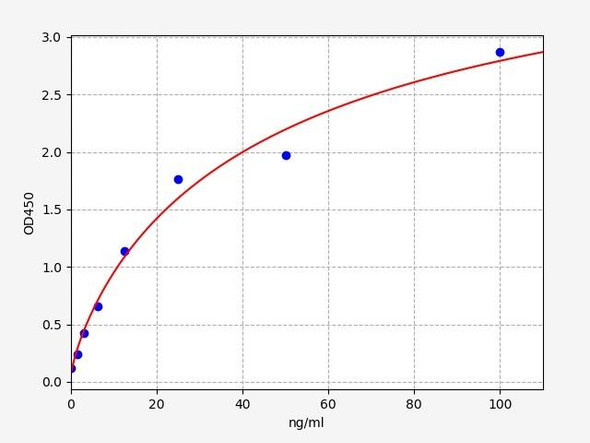
Description
| SKU: | RPCB2388 |
| Size: | 20 μg, 50 μg, 100 μg |
| Tag: | C-6His |
| Reactivity: | Human |
| Protein Description: | Recombinant Human Alkaline phosphatase (Intestinal type)/ALPI Protein encodes for intestinal phosphatase alkaline, a brush border metalloenzyme that hydrolyses phosphate from the lipid A moiety of lipopolysaccharides and thereby drastically reduces Toll-like receptor 4 agonist activity. ALPI mutations impaired either stability or catalytic activity of ALPI and rendered it unable to detoxify lipopolysaccharide-dependent signalling. ALPI mutations should be included in screening for monogenic causes of inflammatory bowel diseases and lay the groundwork for ALPI-based treatments in intestinal inflammatory disorders. |
| Endotoxin: | < 0.1 EU/μg of the protein by LAL method. |
| Purity: | ≥ 90 % as determined by SDS-PAGE. |
| Formulation: | Lyophilized from a 0.2 μm filtered solution of PBS, pH 7.4. |
| Gene ID: | 248 |
| Storage: | Store at -20℃.Store the lyophilized protein at -20℃ to -80 ℃ up to 1 year from the date of receipt. After reconstitution, the protein solution is stable at -20℃ for 3 months, at 2-8℃ for up to 1 week. |
| Reconstitution: | Centrifuge the vial before opening. Reconstitute to a concentration of 0.1-0.5 mg/mL in sterile distilled water. Avoid vortex or vigorously pipetting the protein. For long term storage, it is recommended to add a carrier protein or stablizer (e.g. 0.1% BSA, 5% HSA, 10% FBS or 5% Trehalose), and aliquot the reconstituted protein solution to minimize free-thaw cycles. |
| Swiss-Prot: | NP_001622.2 |
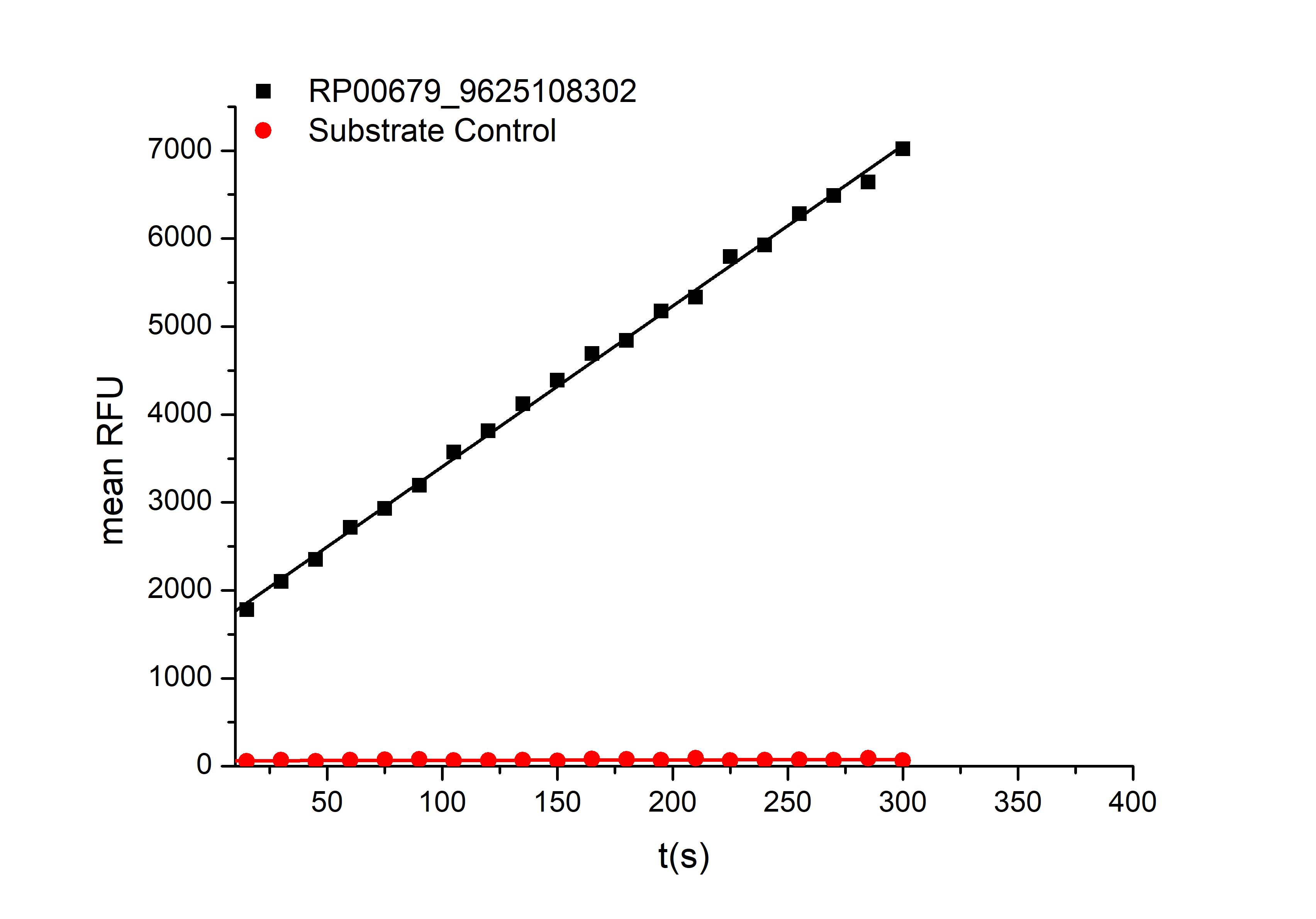 | Measured by its ability to cleave a fluorogenic substrate, 4- Methylumbelliferyl phosphate (4- MUP). The specific activity is >10412. 60 pmol/min/µg. The specific activity is >10412. 60 pmol/min/µg. |