Description
| SKU: | RPCB2865 |
| Size: | 20 μg, 50 μg, 100 μg |
| Tag: | C-Avi&His |
| Reactivity: | Human |
| Protein Description: | This protein is a member of the receptor tyrosine kinase family of proteins. The encoded preproprotein is proteolytically processed to generate alpha and beta subunits that form a heterotetrameric receptor. Binding of insulin or other ligands to this receptor activates the insulin signaling pathway, which regulates glucose uptake and release, as well as the synthesis and storage of carbohydrates, lipids and protein. Mutations in this gene underlie the inherited severe insulin resistance syndromes including type A insulin resistance syndrome, Donohue syndrome and Rabson-Mendenhall syndrome. Alternative splicing results in multiple transcript variants. |
| Endotoxin: | < 0.1 EU/μg of the protein by LAL method. |
| Purity: | ≥ 95 % as determined by HPLC. |
| Gene ID: | 3643 |
| Storage: | Store at -20℃.Store the lyophilized protein at -20℃ to -80 ℃ up to 1 year from the date of receipt. After reconstitution, the protein solution is stable at -20℃ for 3 months, at 2-8℃ for up to 1 week. |
| Reconstitution: | Centrifuge the vial before opening. Reconstitute to a concentration of 0.1-0.5 mg/mL in sterile distilled water. Avoid vortex or vigorously pipetting the protein. For long term storage, it is recommended to add a carrier protein or stablizer (e.g. 0.1% BSA, 5% HSA, 10% FBS or 5% Trehalose), and aliquot the reconstituted protein solution to minimize free-thaw cycles. |
| Swiss-Prot: | NP_000199.2 |
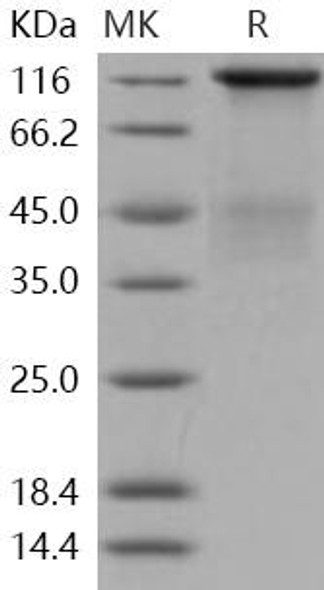
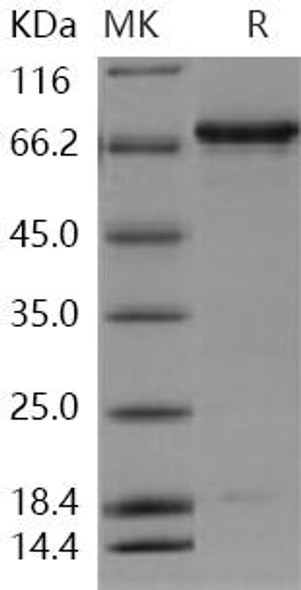
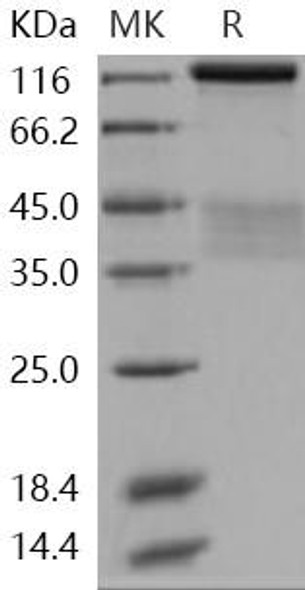
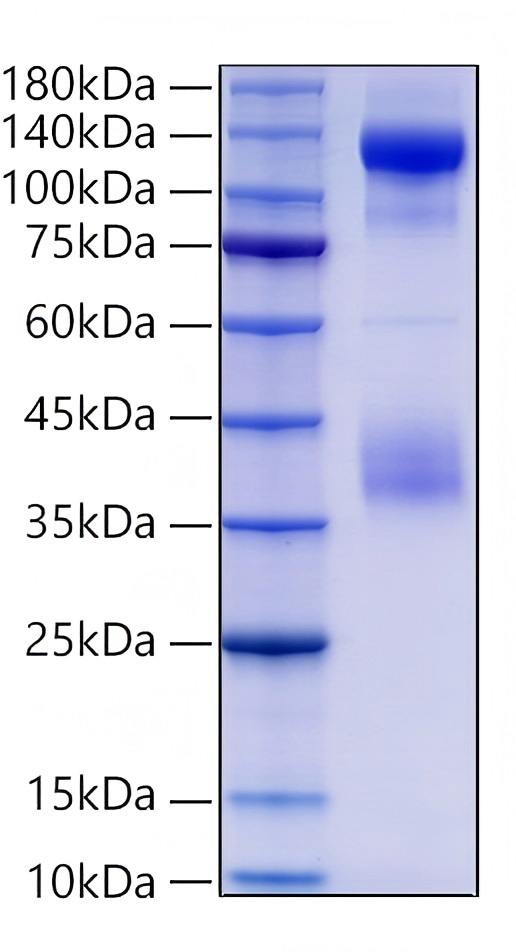 | Recombinant Human Insulin Receptor/INSR/CD220 Protein was determined by SDS-PAGE under reducing conditions with Coomassie Blue. |
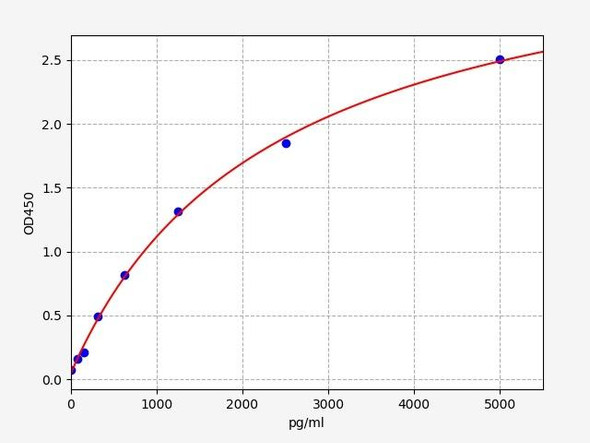
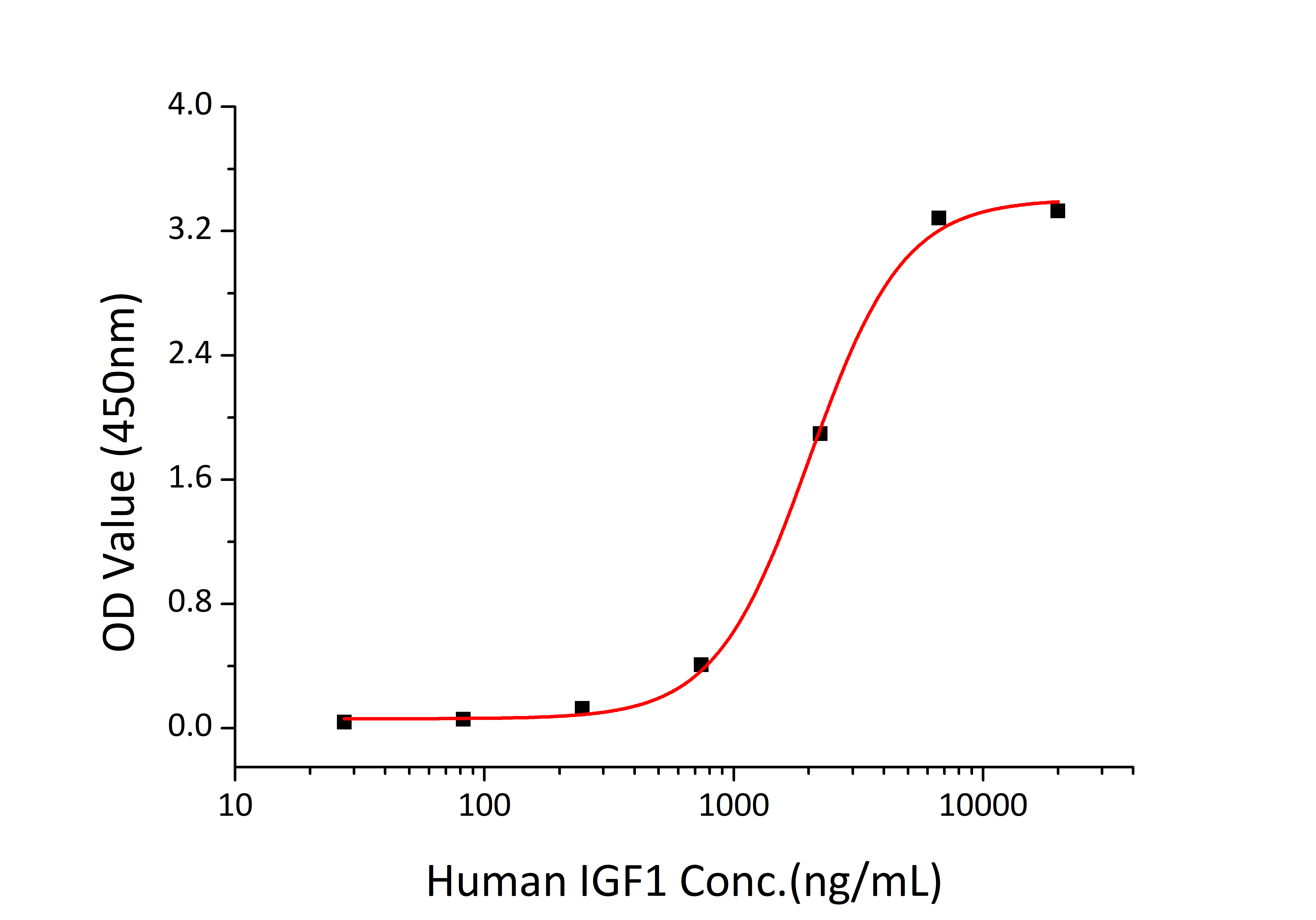 | Measured by its binding ability in a functional ELISA. Immobilized Human INSR at 10 μg/mL (100 μL/well) can bind Human IGF1 (Catalog: RPCB0759) with a linear range of 0. 25-2.01 μg/mL. |