
Amino Acids: Types, Functions, Structure & Essential Guide
Amino Acids: Types, Functions, Structure & Essential Guide
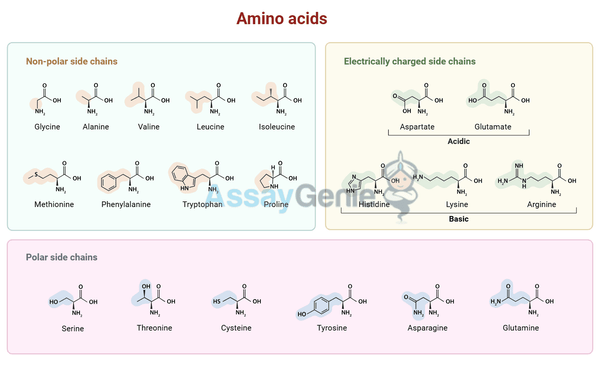
The 20 standard amino acids are the building blocks of every protein. This guide covers their structure, side-chain classes, functions and which nine are essential — plus the assay kits to quantify them.
Shop Amino Acid Assay Kits →What are amino acids?
The monomers that combine to build every protein in the body.
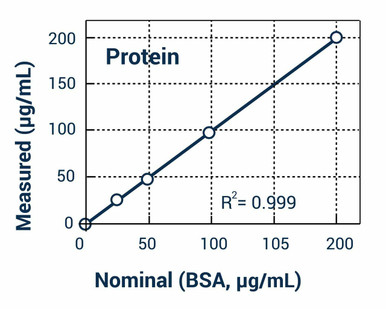
Amino acids are organic molecules built around a central (alpha) carbon bonded to four groups: an amino group (–NH₂), a carboxyl group (–COOH), a hydrogen atom, and a unique side chain (the R-group). It is this side chain that gives each amino acid its distinct chemistry — polarity, charge and reactivity — and determines how it behaves within a folded protein. Beyond building proteins, amino acids feed into energy metabolism, neurotransmitter and hormone synthesis, and immune function. To measure them in your samples, see the Total Amino Acids Assay Kit and Total Protein Assay Kit.
H₂N – CαH(R) – COOHThe general structure of an alpha-amino acid: the R-group (side chain) is what differs between the 20 standard amino acids.
Quantify amino acids in your lab
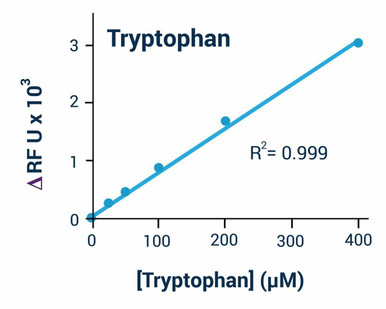
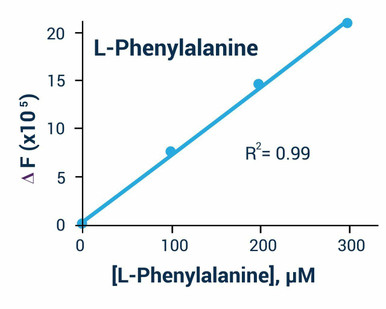
Assay Genie supplies validated colorimetric and fluorometric kits for total and individual amino acids.



The key roles of amino acids
- Protein building: combine in sequence to form the proteins that build and run cells.
- Energy production: can be converted to glucose (gluconeogenesis) or ketones for energy.
- Neurotransmitter precursors: tryptophan and tyrosine give rise to serotonin and dopamine.
- Immune function: support antibody production and immune-cell activity (e.g. glutamine).
- Hormone synthesis: precursors for thyroid hormones (tyrosine) and melatonin (tryptophan).
The 20 standard amino acids
Every standard amino acid with its three- and one-letter codes, side-chain class, essentiality and a key biological role.
| Amino acid | Code | Side-chain class | Essential? | Key function |
|---|---|---|---|---|
| Alanine | Ala (A) | Non-polar | No | Glucose–alanine cycle; stabilises protein cores |
| Arginine | Arg (R) | Basic | Conditional | Nitric oxide precursor; vasodilation |
| Asparagine | Asn (N) | Polar (uncharged) | No | Glycoprotein synthesis; nitrogen metabolism |
| Aspartic acid | Asp (D) | Acidic | No | Urea cycle; neurotransmitter synthesis |
| Cysteine | Cys (C) | Polar (uncharged) | Conditional | Forms disulfide bonds; stabilises structure |
| Glutamic acid | Glu (E) | Acidic | No | Major excitatory neurotransmitter |
| Glutamine | Gln (Q) | Polar (uncharged) | Conditional | Nitrogen transport; immune-cell fuel |
| Glycine | Gly (G) | Non-polar | No | Collagen structure; CNS signalling |
| Histidine | His (H) | Basic | Yes | Histamine precursor; enzyme catalysis |
| Isoleucine | Ile (I) | Non-polar | Yes | BCAA; muscle repair and haemoglobin |
| Leucine | Leu (L) | Non-polar | Yes | BCAA; drives muscle protein synthesis (mTOR) |
| Lysine | Lys (K) | Basic | Yes | Collagen cross-linking; carnitine production |
| Methionine | Met (M) | Non-polar | Yes | Methyl donor; initiates protein synthesis |
| Phenylalanine | Phe (F) | Aromatic (non-polar) | Yes | Precursor to tyrosine, dopamine, epinephrine |
| Proline | Pro (P) | Non-polar | No | Introduces kinks; key to collagen |
| Serine | Ser (S) | Polar (uncharged) | No | Metabolic pathways; cell signalling |
| Threonine | Thr (T) | Polar (uncharged) | Yes | Glycoproteins; enzyme function |
| Tryptophan | Trp (W) | Aromatic (non-polar) | Yes | Precursor to serotonin and melatonin |
| Tyrosine | Tyr (Y) | Aromatic (polar) | Conditional | Precursor to thyroid hormones and catecholamines |
| Valine | Val (V) | Non-polar | Yes | BCAA; muscle energy and growth |
"Conditional" amino acids (arginine, cysteine, glutamine, tyrosine) become essential during illness, stress or rapid growth.
Essential vs non-essential amino acids
Nine amino acids cannot be made by the body and must come from the diet; the rest are synthesised internally.
| Essential (9) — from diet | Non-essential (11) — made by the body |
|---|---|
| Histidine, Isoleucine, Leucine, Lysine, Methionine, Phenylalanine, Threonine, Tryptophan, Valine | Alanine, Arginine, Asparagine, Aspartic acid, Cysteine, Glutamic acid, Glutamine, Glycine, Proline, Serine, Tyrosine |
Biological & clinical importance
- Metabolic disorders: defects in amino-acid metabolism cause conditions such as phenylketonuria (PKU) and maple syrup urine disease (MSUD).
- Athletic performance: the branched-chain amino acids (leucine, isoleucine, valine) support muscle repair and energy during exercise.
- Immune health: glutamine fuels immune-cell proliferation during stress or illness.
- Neuroscience: tryptophan and tyrosine set the supply of serotonin, dopamine and other neurotransmitters.
Studying amino acid metabolism?
From total amino acids and protein to individual analytes, Assay Genie's metabolism assay kits deliver validated, publication-ready data — backed by PhD technical support.
Explore Metabolism Assays →Frequently asked questions
How many amino acids are there?
There are 20 standard amino acids that the genetic code specifies for building proteins. Of these, 9 are essential (must come from the diet) and 11 are non-essential (synthesised by the body).
What are the 9 essential amino acids?
Histidine, isoleucine, leucine, lysine, methionine, phenylalanine, threonine, tryptophan and valine. They cannot be synthesised by the body and must be obtained from food.
What is the difference between essential and non-essential amino acids?
Essential amino acids cannot be made by the body and must come from the diet; non-essential amino acids can be synthesised internally. Some non-essential amino acids (arginine, cysteine, glutamine, tyrosine) become "conditionally essential" during illness or rapid growth.
What are BCAAs?
Branched-chain amino acids — leucine, isoleucine and valine — are three essential amino acids with branched side chains that are especially important for muscle protein synthesis, repair and energy during exercise.
How are amino acids classified by side chain?
By their R-group: non-polar (hydrophobic), polar uncharged (hydrophilic), acidic (negatively charged) and basic (positively charged). Aromatic amino acids (Phe, Trp, Tyr) are a further important group.
Related articles
Recent Posts
-
ELISA vs Western Blot: Which Technique Should You Choose?
Written by Seán Mac Fhearraigh, PhD • Updated: 19 May 2026 • ~9 min read Quick Answer ELISA …20th May 2026 -
Types of ELISA: Direct, Indirect, Sandwich & Competitive Compared
Written by Seán Mac Fhearraigh, PhD • Updated: 19 May 2026 • ~9 min read Quick Answer The fi …20th May 2026 -
Sandwich ELISA: Step-by-Step Protocol & Troubleshooting
Written by Seán Mac Fhearraigh, PhD • Updated: 19 May 2026 • ~ …20th May 2026