
Cortisol and the Immune Response
Cortisol and the Immune Response
Cortisol is the body’s primary stress hormone — a glucocorticoid released by the adrenal gland that powerfully shapes the immune system. Acting through the glucocorticoid receptor, cortisol suppresses inflammation and reprogrammes immune cells, which is why its dysregulation is linked to autoimmune disease, chronic stress and cancer.
Explore cortisol & HPA-axis kits →Key Takeaways
- Cortisol is a glucocorticoid hormone central to the stress response, immune regulation and homeostasis.
- It is released by the adrenal gland under control of the hypothalamic-pituitary-adrenal (HPA) axis.
- Cortisol acts through the glucocorticoid receptor (GR/NR3C1) via canonical and non-canonical pathways.
- It suppresses inflammation, dampening cytokines such as IL-6 and TNF-alpha.
- Dysregulated cortisol is linked to autoimmune disorders, chronic stress and cancer.
- Its role in cancer therapy is complex and depends on the tumour type.
Cortisol, HPA-Axis & Cytokine ELISA Kits
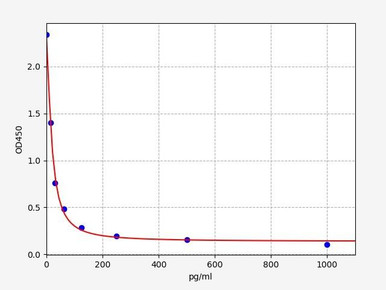
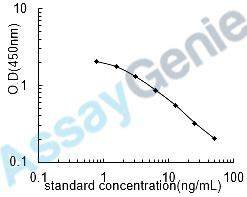
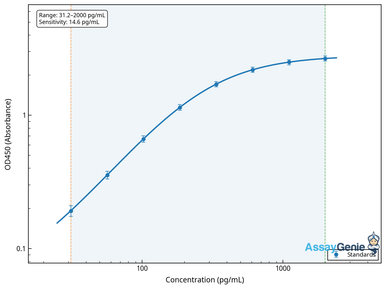
From the HPA-axis hormones that drive cortisol release to the inflammatory cytokines it suppresses, these validated ELISA kits cover the whole pathway.

Glucocorticoid Receptor (NR3C1) ELISA Kit
The intracellular receptor through which cortisol acts.
View kit →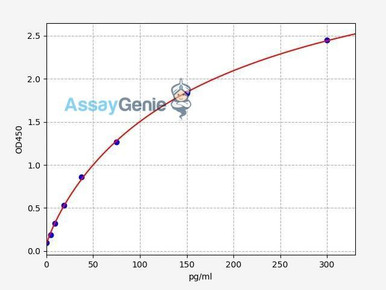
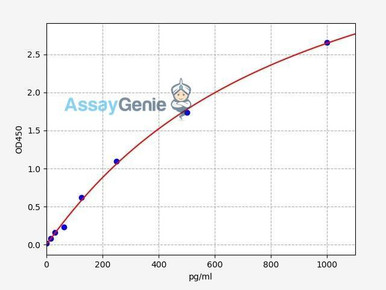
TNF-alpha ELISA Kit
A key inflammatory mediator dampened by glucocorticoid signalling.
View kit →What is Cortisol?
Cortisol is a steroid hormone and a member of the glucocorticoid family. It is involved in a wide range of physiological processes that maintain homeostasis, from metabolism to immune regulation. Cortisol is produced by the adrenal gland in response to stress and to falling blood-sugar levels, but it is also released in a circadian rhythm under normal conditions, peaking in the early morning and falling through the day.
Because it touches so many systems, cortisol sits at the intersection of endocrinology and immunology. Its best-known role is as the body’s master anti-inflammatory hormone — the reason synthetic glucocorticoids are among the most widely prescribed drugs for inflammatory and autoimmune conditions.
The HPA Axis
Cortisol release is governed by the hypothalamic-pituitary-adrenal (HPA) axis. In response to stress, the hypothalamus secretes corticotropin-releasing hormone (CRH), which signals the pituitary gland to release adrenocorticotropic hormone (ACTH). ACTH in turn stimulates the adrenal cortex to synthesise and release cortisol into the bloodstream.
Cortisol then feeds back to the hypothalamus and pituitary to switch off its own production — a classic negative-feedback loop. When this feedback is disrupted by chronic stress, cortisol levels remain persistently elevated, with wide-ranging effects on immunity and health.
Cortisol and the Glucocorticoid Receptor
Once inside a cell, cortisol binds the glucocorticoid receptor (GR or GCR), encoded by the gene NR3C1. The receptor is an intracellular protein expressed by almost every cell type, regulating immune responses, metabolism and development. It contains three domains: an N-terminal transactivation domain, a DNA-binding domain, and a C-terminal ligand-binding domain. The active isoform, GRα, is most highly expressed in the central nervous system and macrophages.
Canonical signalling
In the classical pathway, the cortisol-bound receptor translocates to the nucleus, binds glucocorticoid-response elements in DNA, and directly switches target genes on or off — including many involved in inflammation.
Non-canonical signalling
Beyond direct DNA binding, the activated receptor also interferes with other transcription factors such as NF-κB and AP-1, rapidly repressing pro-inflammatory gene programmes without binding DNA itself.
Cortisol and the Inflammatory Response
Cortisol is a potent immunosuppressant. Through the glucocorticoid receptor it dampens the production of pro-inflammatory cytokines such as IL-6 and TNF-alpha, reduces the recruitment and activity of immune cells, and promotes an overall anti-inflammatory state. This is the mechanism that makes glucocorticoid drugs so effective at controlling inflammation.
The same power, however, comes with a cost: sustained high cortisol suppresses immune defence, which is why chronic stress can leave the body more vulnerable to infection and slower to heal.
Stress, Cortisol and Disease
Dysregulated cortisol signalling is linked to a range of diseases. Chronically elevated cortisol, as seen in prolonged stress or Cushing’s syndrome, impairs immunity and metabolism, while impaired cortisol signalling is associated with autoimmune and inflammatory disorders where the anti-inflammatory brake fails. Because the glucocorticoid receptor is expressed almost everywhere, disturbances in this pathway ripple across many organ systems.
Cortisol in Cancer Therapy
Cortisol and synthetic glucocorticoids play a complex role in oncology. They are widely used to manage inflammation, nausea and immune side-effects during cancer treatment, and can directly trigger apoptosis in certain blood cancers such as leukaemia and lymphoma. In other tumour types, however, glucocorticoid signalling can promote resistance to therapy — so the effect depends heavily on the specific cancer.
Measure the Cortisol Pathway with Assay Genie
Quantify CRH, ACTH, cortisol, the glucocorticoid receptor and downstream cytokines such as IL-6 and TNF-alpha with validated ELISA kits for endocrine and immunology research.
Browse the full ELISA kit range →Frequently Asked Questions
What is cortisol?
Cortisol is a glucocorticoid steroid hormone released by the adrenal gland that regulates the stress response, metabolism and immune function.
How does cortisol affect the immune system?
Cortisol is immunosuppressive: through the glucocorticoid receptor it lowers pro-inflammatory cytokines such as IL-6 and TNF-alpha and reduces immune-cell activity.
What is the HPA axis?
The hypothalamic-pituitary-adrenal axis is the hormonal cascade — CRH to ACTH to cortisol — that controls cortisol release in response to stress.
What is the glucocorticoid receptor?
It is the intracellular receptor (GR/NR3C1) that cortisol binds to regulate gene expression, present in almost every cell type.
Why does chronic stress weaken immunity?
Persistently high cortisol suppresses immune defences, making the body more susceptible to infection and slower to heal.
Recent Posts
-
Suspected Plague Death at a Siberian Anti-Plague Institute: What Researchers Should Know
Infectious Disease · News AnalysisSuspected Plague Death at a Siberian Anti-Plague Institute: What …6th Oct 2026 -
LPS ELISA Troubleshooting: The Importance of Sample Nature
Quick answer A researcher measuring circulating lipopolysaccharide (LPS) in human serum …25th Sep 2026 -

Sekundärantikörper wählen: Die Regel, die im Labor wirklich zählt
Sekundärantikörper wählen: Die Regel, die im Labor wirklich zählt Wählen Sie einen Sekundärantikörp …24th Sep 2026