
Blog
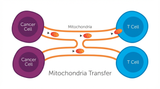
How Cancer Cells Hijack Immune Defenses Through Mitochondrial Transfer
Imagine a battlefield where the enemy doesn't just hide from soldiers—it actively sabotages their weapons. In the tumor microenvironment, cancer cells have evolved a devious strategy: they transfer their own damaged mitochondria to immune T cells, effectively poisoning the very defenders meant to destroy them. This groundbreaking discovery, published in Nature in 2025, reveals a previously unknown mechanism of immune evasion that helps explain why many cancers resist even the most advanced immunotherapies. Understanding this cellular sabotage could unlock new strategies to restore immune function and improve cancer treatment outcomes.
Introduction
The tumor microenvironment is a complex ecos
…
5th Dec 2025
PD-L1 in Cancer Immunotherapy: Key Insights
PD-L1 in Cancer Immunotherapy: Insights from Recent ResearchRecent advancements in cancer immunotherapy have underscored the critical role of programmed death-ligand 1 (PD-L1) in mediating immune evasion by tumors. This article delves into how PD-L1 expression influences T-cell mediated immune evasion in cancer, contributing to improved biomarker targeting for immunotherapy. By exploring the molecular mechanisms, clinical implications, and future directions of PD-L1 research, we aim to provide a comprehensive understanding of its significance in the evolving landscape of cancer treatment.Introduction to PD-L1PD-L1, a protein expressed on the surface of various cells, plays a pivotal role in
…
21st Aug 2025