The IP3R Antibody (CAB7905) is a high-quality antibody developed for reliable detection and analysis of target proteins. This antibody specifically targets the inositol 1,4,5-trisphosphate receptor type 1 (ITPR1), a key player in calcium signaling pathways within cells.Raised in rabbits, this antibody is known for its high reactivity with human samples, making it a reliable tool for Western blot applications. By binding to the ITPR1 protein, researchers are able to detect and analyze its expression in various cell types, providing valuable insights into its role in neuronal function and communication.ITPR1 is crucial for intracellular calcium release and modulation of synaptic transmission, making it a potential target for studies on neurodegenerative diseases, such as Alzheimer's and Parkinson's.
This antibody is validated for use in WB, ELISA applications and has demonstrated reactivity against Human, Mouse samples.
Product Name:
IP3R Antibody
SKU:
CAB7905
Size:
20μL, 100μL
Reactivity:
Human, Mouse
Conjugate:
Unconjugated
Immunogen:
Synthetic peptide. This information is considered to be commercially sensitive.
This gene encodes an intracellular receptor for inositol 1,4,5-trisphosphate. Upon stimulation by inositol 1,4,5-trisphosphate, this receptor mediates calcium release from the endoplasmic reticulum. Mutations in this gene cause spinocerebellar ataxia type 15, a disease associated with an heterogeneous group of cerebellar disorders. Multiple transcript variants have been identified for this gene.
Purification Method
Affinity purification
Gene ID
3708
RRID
AB_2770019
Buffer Information
Store at -20℃. Avoid freeze / thaw cycles. Buffer: PBS containing 50% glycerol, preserved with proclin300 or sodium azide, pH 7.3.
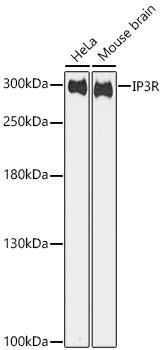
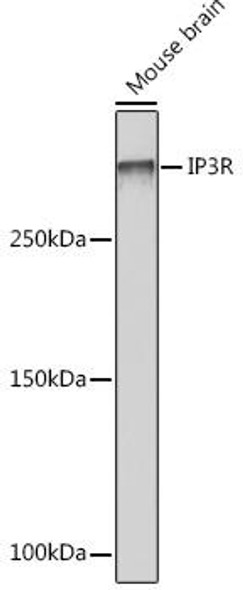
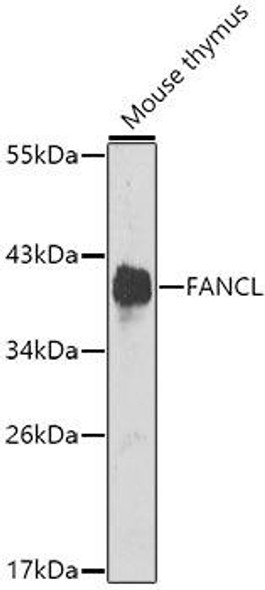
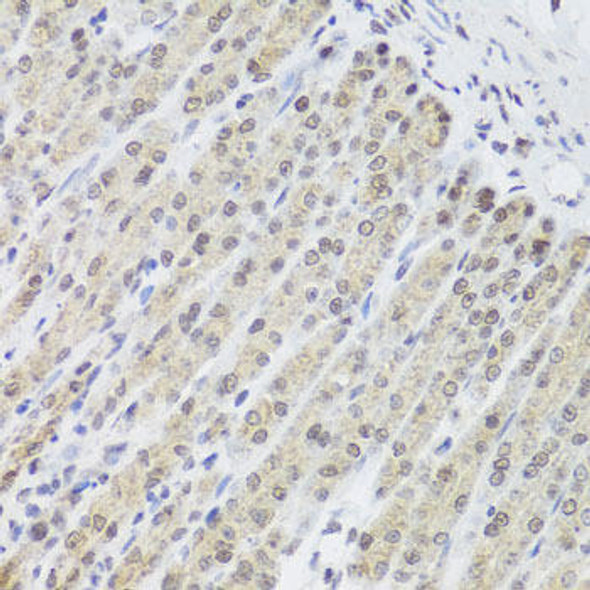
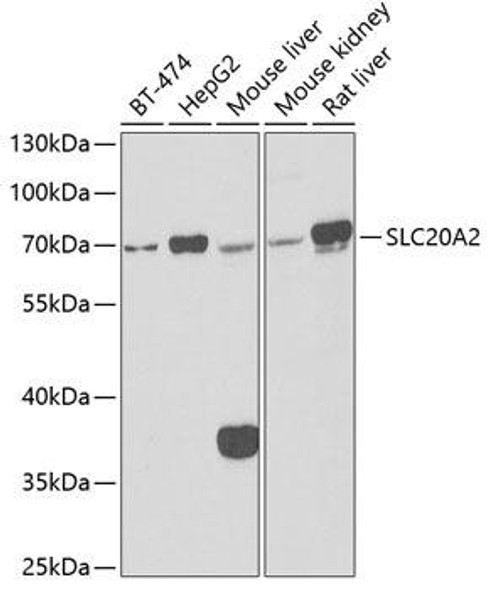
Western blot analysis of various lysates using IP3R Rabbit pAb (CAB7905) at 1:1000 dilution. Secondary antibody: HRP-conjugated Goat anti-Rabbit IgG (H+L) (CABS014) at 1:10000 dilution. Lysates / proteins: 25 μg per lane. Blocking buffer: 3 % nonfat dry milk in TBST. Detection: ECL Basic Kit (AbGn00020). Exposure time: 90s.