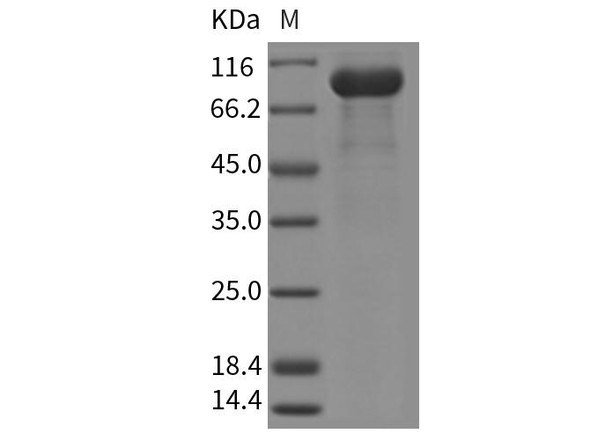
The Mouse OPG (Osteoprotegerin) ELISA Kit - High Sensitivity is a specialized assay designed for the quantitative measurement of Osteoprotegerin (OPG) levels in various mouse biological samples with exceptional sensitivity. OPG, a key regulator of bone metabolism and a member of the tumor necrosis factor receptor superfamily, is critically involved in bone remodeling, osteoclast regulation, and vascular calcification processes. As a decoy receptor for RANKL (Receptor Activator of Nuclear Factor Kappa-B Ligand), OPG plays a significant role in inhibiting osteoclast differentiation and activity, thus influencing bone homeostasis and vascular health. By offering high sensitivity and precision, the Mouse OPG ELISA Kit enables researchers to elucidate the intricate mechanisms underlying bone metabolism and vascular health. Accurate quantification of OPG levels is essential for gaining insights into bone-related conditions, such as osteoporosis, osteopetrosis, and skeletal disorders, as well as vascular diseases involving calcification. With a focus on reliability and reproducibility, this ELISA kit ensures trustworthy and consistent results, empowering researchers to investigate the biological functions and therapeutic implications of OPG with confidence. Manufactured under stringent quality standards and designed for user-friendly operation, this kit from Assay Genie provides robust performance, making it an indispensable tool for bone research, vascular health studies, and drug development endeavors.
This ELISA kit uses the Sandwich-ELISA principle. The micro ELISA plate provided in this kit has been pre-coated with an antibody specific to the target protein. Standards or samples are added to the micro ELISA plate wells and bind to the immobilized antibody. A biotinylated detection antibody specific to the target protein is then added, followed by Avidin-Horseradish Peroxidase (HRP) conjugate. Free components are washed away. The substrate solution is added to each well, resulting in a color change. Only wells containing the target protein, detection antibody, and HRP conjugate will develop a blue color. The reaction is terminated by the addition of stop solution, resulting in a yellow color. The optical density (OD) is measured at 450 nm ± 2 nm. The OD value is directly proportional to the concentration of the target protein in the sample and is determined using a standard curve.