
10 Steps of Glycolysis: Enzymes, Diagram & ATP Yield
10 Steps of Glycolysis: Enzymes, Diagram & ATP Yield
The complete ten-step pathway that converts one glucose molecule into two pyruvate — with every enzyme, substrate and energy change, plus the validated assay kits to measure it in your own samples.
Browse Glycolysis Assay Kits →What is glycolysis?
Glycolysis is the first stage of cellular respiration and the primary source of ATP under anaerobic conditions.
Glycolysis is the metabolic pathway that converts one molecule of glucose into two molecules of pyruvate, generating 2 ATP and 2 NADH in the process. This ten-step enzymatic process occurs in the cytoplasm of nearly all living cells and provides both energy and biosynthetic precursors for cellular function. Its speed makes it essential during high energy demand or low-oxygen conditions, where each glucose molecule is broken down progressively and energy is captured in high-energy phosphate bonds.
The overall equation for glycolysis
C6H12O6 + 2 NAD+ + 2 ADP + 2 Pi → 2 Pyruvate + 2 NADH + 2 H+ + 2 ATPTwo ATP are consumed in the preparatory phase and four are generated in the payoff phase — a net gain of 2 ATP per glucose.
Measure glycolysis in your lab
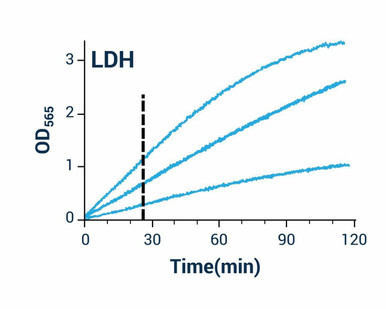
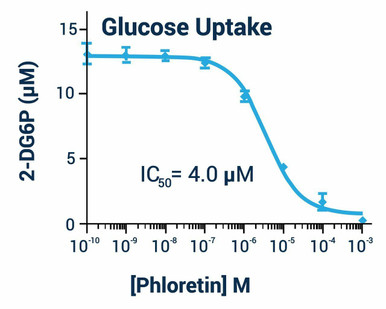
Assay Genie supplies validated, ready-to-use kits to quantify every key output of the glycolytic pathway.
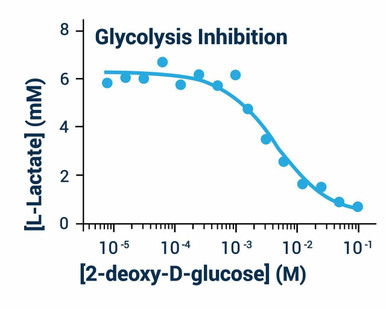
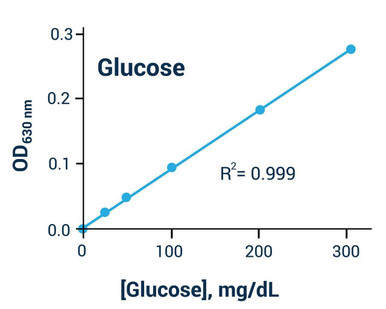
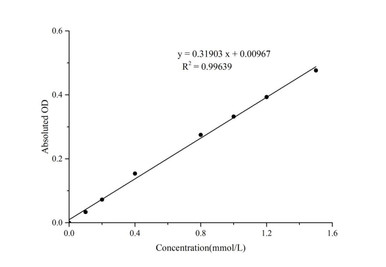
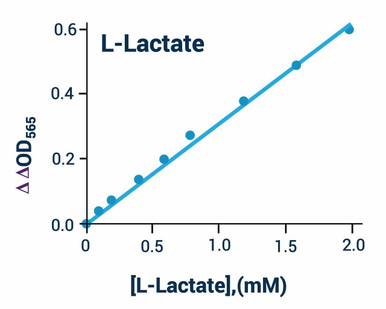
What are the 10 steps of glycolysis?
Glycolysis divides into an energy-investment phase (steps 1–3), preparatory steps (4–5) and a payoff phase (steps 6–10).
| Step | Enzyme | Substrate → Product | Energy change |
|---|---|---|---|
| 1 | Hexokinase | Glucose → Glucose-6-phosphate | −1 ATP consumed |
| 2 | Phosphoglucose isomerase | Glucose-6-phosphate → Fructose-6-phosphate | No change |
| 3 | Phosphofructokinase-1 (PFK-1) | Fructose-6-phosphate → Fructose-1,6-bisphosphate | −1 ATP (rate-limiting) |
| 4 | Aldolase | Fructose-1,6-bisphosphate → DHAP + G3P | No change |
| 5 | Triose phosphate isomerase | DHAP → Glyceraldehyde-3-phosphate | No change |
| 6 | G3P dehydrogenase | G3P + NAD+ → 1,3-BPG + NADH | +2 NADH produced |
| 7 | Phosphoglycerate kinase | 1,3-BPG → 3-Phosphoglycerate | +2 ATP generated |
| 8 | Phosphoglycerate mutase | 3-PG → 2-Phosphoglycerate | No change |
| 9 | Enolase | 2-PG → Phosphoenolpyruvate (PEP) | No change |
| 10 | Pyruvate kinase | PEP → Pyruvate | +2 ATP generated |
The doubling effect occurs because step 4 creates two 3-carbon molecules, so all subsequent reactions run twice per glucose. Net yield: 2 ATP, 2 NADH, 2 pyruvate.
The two phases of glycolysis
Energy investment
Steps 1–3 consume 2 ATP to phosphorylate glucose and commit it to the pathway via PFK-1.
Cleavage
Steps 4–5 split fructose-1,6-bisphosphate into two interconvertible 3-carbon sugars (G3P).
Energy payoff
Steps 6–10 generate 4 ATP and 2 NADH, producing two pyruvate — a net gain of 2 ATP.
How is glycolysis regulated?
Phosphofructokinase-1 (PFK-1, step 3) is the primary rate-limiting enzyme and main control point.
- Inhibitors: ATP and citrate (signals of sufficient energy) decrease PFK-1 activity.
- Activators: AMP and ADP (signals of low energy) increase PFK-1 activity.
- Key activator: Fructose-2,6-bisphosphate, produced by PFK-2, strongly stimulates flux.
- Hormonal control: Insulin promotes glycolysis; glucagon inhibits it and favours gluconeogenesis.
Measuring pathway output — ATP, lactate and glucose uptake — lets you quantify how these regulatory signals shift glycolytic activity in your model.
Aerobic vs anaerobic glycolysis
The pathway is identical in both, but the fate of pyruvate and how NAD+ is regenerated differ.
| Feature | Aerobic | Anaerobic |
|---|---|---|
| Oxygen requirement | Needed for NAD+ regeneration via ETC | Not required; NAD+ regenerated via lactate |
| End product | Pyruvate enters TCA cycle, fully oxidised | Pyruvate → lactate (Cori cycle) |
| ATP yield | ~30–32 ATP (complete oxidation) | 2 ATP (glycolysis only) |
| Location | Cytoplasm + mitochondria | Cytoplasm only |
| Clinical relevance | Primary ATP source in resting cells | Intense exercise, hypoxia, cancer (Warburg effect) |
Lactate formation via lactate dehydrogenase (LDH) regenerates NAD+ anaerobically, allowing glycolysis to continue.
How glycolysis connects to other pathways
- TCA cycle: pyruvate → acetyl-CoA for complete oxidation and maximum ATP.
- Gluconeogenesis: seven of ten steps are reversible, running the pathway backwards to make glucose.
- Pentose phosphate pathway: glucose-6-phosphate diverted for NADPH and ribose-5-phosphate.
- Glycogenesis / glycogenolysis: glucose-6-phosphate links to glycogen storage and breakdown.
- Fatty acid & amino acid pathways: pyruvate and intermediates supply carbon skeletons for biosynthesis.
Studying cellular metabolism?
From glucose uptake to ATP and lactate output, Assay Genie's metabolism assay kits give you validated, publication-ready data — with expert technical support from our PhD team.
Explore Metabolism Assay Kits →Frequently asked questions
What is the net ATP yield of glycolysis?
The net yield is 2 ATP per glucose. Glycolysis consumes 2 ATP in the preparatory phase (steps 1 and 3) and produces 4 ATP in the payoff phase (steps 7 and 10, each occurring twice per glucose), for a net gain of 2 ATP.
Where does glycolysis occur in the cell?
Glycolysis occurs in the cytoplasm of all cells. Unlike the TCA cycle and electron transport chain (in the mitochondria), glycolytic enzymes are distributed throughout the cytoplasm.
What is the rate-limiting enzyme of glycolysis?
Phosphofructokinase-1 (PFK-1), catalysing step 3, is the primary rate-limiting enzyme. It is inhibited by ATP and citrate and activated by AMP, ADP and fructose-2,6-bisphosphate.
What is the difference between glycolysis and gluconeogenesis?
Glycolysis breaks glucose down into pyruvate and produces ATP; gluconeogenesis synthesises glucose from pyruvate and other precursors, consuming ATP. Seven of the ten reactions are reversible, but three steps must be bypassed by different enzymes.
Why is glycolysis important in cancer cells?
Cancer cells exhibit the Warburg effect, preferentially using anaerobic glycolysis even with oxygen present. This supplies rapid ATP and biosynthetic precursors (nucleotides, amino acids, lipids) to support uncontrolled proliferation.
Related articles
Recent Posts
-
Suspected Plague Death at a Siberian Anti-Plague Institute: What Researchers Should Know
Infectious Disease · News AnalysisSuspected Plague Death at a Siberian Anti-Plague Institute: What …6th Oct 2026 -
LPS ELISA Troubleshooting: The Importance of Sample Nature
Quick answer A researcher measuring circulating lipopolysaccharide (LPS) in human serum …25th Sep 2026 -
Sekundärantikörper wählen: Die Regel, die im Labor wirklich zählt
Sekundärantikörper wählen: Die Regel, die im Labor wirklich zählt Wählen Sie einen Sekundärantikörp …24th Sep 2026