The cyclic GMP-AMP synthase (cGAS) and stimulator of interferon genes (STING) pathway is a central cytosolic DNA-sensing system that detects pathogen-derived and aberrant self DNA to mount type I interferon and inflammatory responses. cGAS is a nucleotidyltransferase that binds double-stranded DNA in the cytosol in a sequence-independent manner; DNA binding induces a conformational change that activates its catalytic site to synthesize the cyclic dinucleotide second messenger 2'3'-cGAMP. This messenger binds and activates STING, an endoplasmic reticulum-resident adaptor, triggering its oligomerization and trafficking to the Golgi. Activated STING, marked by phosphorylation (Phospho-STING), serves as a signaling scaffold that recruits the kinase TBK1. TBK1 undergoes activating autophosphorylation (Phospho-TBK1) and in turn phosphorylates the transcription factor IRF3; Phospho-IRF3 then dimerizes and translocates to the nucleus, where, together with IRF7 in amplification loops, it drives transcription of type I interferons and interferon-stimulated genes. STING also engages NF-kB signaling to induce additional inflammatory mediators. A related DNA sensor, IFI16, recognizes nuclear and cytosolic DNA and can cooperate with the cGAS-STING axis to promote interferon responses and inflammasome activation. This pathway is essential for antiviral and antibacterial immunity and for immunosurveillance of tumors, where it can prime antitumor T-cell responses, but chronic activation by self DNA, as in certain interferonopathies and autoimmune diseases, is pathogenic. Consequently, both STING agonists and inhibitors are being pursued therapeutically. Tracking activation requires reagents distinguishing total and phosphorylated forms of the key signaling nodes. This sampler pack brings together validated antibodies against cGAS, STING, Phospho-STING, TBK1, Phospho-TBK1, IRF7, Phospho-IRF3, and IFI16 for studying cytosolic DNA sensing and cGAS-STING signaling.


![Anti-Phospho-STING/TMEM173-S366 [ARC57910] Monoclonal Antibody (CABP1369)](https://cdn11.bigcommerce.com/s-h68l9z2lnx/images/stencil/1280x1280/products/279070/750975/AP1369_1__10774__16930.1782817075.jpg?c=2?imbypass=on "Anti-Phospho-STING/TMEM173-S366 [ARC57910] Monoclonal Antibody (CABP1369)")

![Anti-Phospho-TBK1/NAK-S172 [ARC1571] Monoclonal Antibody (CABP1026)](https://cdn11.bigcommerce.com/s-h68l9z2lnx/images/stencil/1280x1280/products/279070/750977/anti-phospho-naktbk1-s172-antibody-cabp1026__31050__59729.1782817075.jpg?c=2?imbypass=on "Anti-Phospho-TBK1/NAK-S172 [ARC1571] Monoclonal Antibody (CABP1026)")

![Anti-Phospho-IRF3-S386 [ARC1539] Monoclonal Antibody (CABP0995)](https://cdn11.bigcommerce.com/s-h68l9z2lnx/images/stencil/1280x1280/products/279070/750979/anti-phospho-irf3-s386-antibody-cabp0995__84122__17676.1782817075.jpg?c=2?imbypass=on "Anti-Phospho-IRF3-S386 [ARC1539] Monoclonal Antibody (CABP0995)")


![Anti-p53 DINP1 [ARC2102] Monoclonal Antibody (CAB5952)](https://cdn11.bigcommerce.com/s-h68l9z2lnx/images/stencil/590x590/products/279049/750767/anti-p53-dinp1-antibody-cab5952__41546__62700.1782817034.jpg?c=2 "Anti-p53 DINP1 [ARC2102] Monoclonal Antibody (CAB5952)")


![Anti-HIF1AN/FIH1 [ARC0826] Monoclonal Antibody -Knockout Validated (CAB3701)](https://cdn11.bigcommerce.com/s-h68l9z2lnx/images/stencil/590x590/products/279090/751133/anti-hif1anfih1-antibody-ko-validated-cab3701__68798__73270.1782817107.jpg?c=2 "Anti-HIF1AN/FIH1 [ARC0826] Monoclonal Antibody -Knockout Validated (CAB3701)")

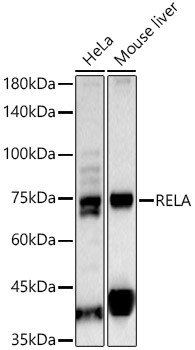
![Anti-Phospho-NF-kB p65/RelA-S536 [ARC55585] Monoclonal Antibody (CABP1294)](https://cdn11.bigcommerce.com/s-h68l9z2lnx/images/stencil/590x590/products/279059/750942/AP1294_1__59410__75277.1782817068.jpg?c=2 "Anti-Phospho-NF-kB p65/RelA-S536 [ARC55585] Monoclonal Antibody (CABP1294)")

