
Cell-Based ELISA Kits
Over 1,700 cell-based (in-cell) ELISA kits to quantify total and phosphorylated proteins directly in fixed cells — high-throughput, lysate-free and ideal for activator and inhibitor screening. No more western blots.
A cell-based (in-cell) ELISA measures a protein of interest directly in fixed cells in a 96-well plate — no cell lysis, protein extraction or gels required. Cells are cultured, treated, fixed and immunostained in situ, and a target-specific primary antibody is detected with an enzyme-conjugated secondary.
The colorimetric or fluorometric signal is proportional to the amount of target protein and is normalised to cell number in each well. You can quantify total and phosphorylated proteins across many samples at once — a faster, higher-throughput alternative to western blotting for screening how activators and inhibitors affect signalling.
Grow adherent or suspension cells in a 96-well plate, apply your treatments, then fix in situ — no lysate needed.
Detect your target with a specific primary antibody and an enzyme-conjugated secondary, directly in the well.
Measure the colorimetric or fluorometric signal and normalise to cell number for quantitative results.
Ready-to-use 96-well kits with primary antibodies, a GAPDH normalisation control and all buffers included.

Tumour suppressor in cell-cycle and apoptosis research.
View kit →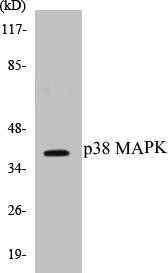
Stress and inflammatory signalling kinase.
View kit →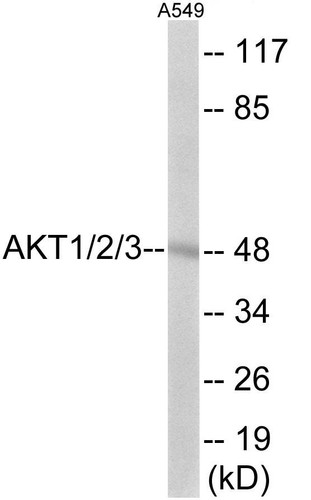
PI3K/AKT survival and metabolism pathway.
View kit →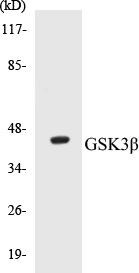
Wnt signalling and metabolism enzyme.
View kit →
Focal-adhesion kinase in migration and invasion.
View kit →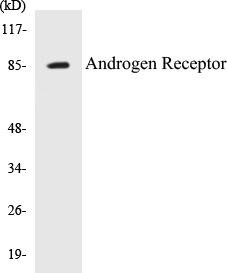
Nuclear hormone receptor in prostate research.
View kit →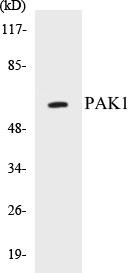
RhoGTPase effector in cytoskeleton and motility.
View kit →
Glucose transporter in cancer metabolism.
View kit →HRP-based colour development read on a standard absorbance plate reader — robust and widely compatible.
Fluorescence-based detection for higher sensitivity and a wider dynamic range on a fluorescence plate reader.
Kinases, transcription factors, receptors and apoptosis markers.
Measuring phosphorylation in lysates instead? See phosphorylation ELISA kits.
A cell-based ELISA measures the target directly in fixed cells in a 96-well plate, with no lysis, protein extraction or gels. That makes it faster and far higher throughput when you need to compare many treatments, doses or time points.
Yes. Dedicated phospho kits quantify phosphorylated proteins in whole cells, and many targets are available as matched total and phospho kits so you can report the phospho-to-total ratio. See also our phosphorylation ELISA kits.
Yes. Cell-based ELISA kits can be used with both adherent and suspension cells; the sample protocol describes how to prepare each.
Each kit includes a GAPDH normalisation control, and the signal is normalised to cell number in each well so differences in seeding density don't skew your results.
Colorimetric kits read on a standard absorbance plate reader and suit most labs. Fluorometric kits need a fluorescence reader but offer higher sensitivity and a wider dynamic range.
With 1,700+ kits most common signalling targets are covered. If yours isn't, ask our PhD-level team to help find the right assay.