
Reference Biosimilar Antibodies
Research-grade reference biosimilars for in vitro studies
100+ functional-grade biosimilar antibodies nearly identical to the original reference biologic — optimized for in vitro assay development, drug screening and comparison studies.
Why Choose Reference Biosimilar Antibodies?
The standard choice for in vitro assay development and side-by-side comparison against the original reference biologic.
Definition
Designed to be nearly identical to an original (reference) biologic medicine, used in research or preclinical studies.
Purpose
Serve as research tools without requiring access to the proprietary original biologic.
Non-therapeutic
Strictly for research use only (RUO) — not subject to clinical regulatory scrutiny.
Broadly validated
Validated for ELISA, flow cytometry, Western blot & more in vitro applications.
Explore the Full Biosimilar Range
Need a different format? Browse the other two Assay Genie biosimilar ranges.
All Biosimilar Antibodies
Browse the complete catalog of 240+ biosimilar antibody targets across all three ranges.
- 240+ biosimilar antibodies
- 42+ targets covered
- cGMP manufactured, ≥98% purity
VivoGenie Biosimilars
Fc-mutated, ultra-low-endotoxin biosimilars built for pre-clinical in vivo studies — PK/PD, mechanism-of-action and efficacy testing.
- 90+ functional-grade biosimilars
- ≥95% purity, ≤1 EU/mg endotoxin
- PD-L1, CTLA-4, HER-2 & 80+ more targets
Conjugated Biosimilars
Directly labeled with fluorescent dyes or enzymes for fast detection and quantification — no secondary antibody required.
- 100+ conjugated biosimilars
- Biotin, FITC, APC, PE, DyLight®488, HRP
- Ideal for ELISA, flow cytometry, WB, IF & SPR
Popular Reference Biosimilars
Search our top reference targets — each card links directly to its biosimilar antibody product page.
How Reference Biosimilars Are Made
Assay Genie’s Reference Biosimilar pipeline creates research-grade biosimilars benchmarked directly against the original reference biologic, from selection to validated product.
- Select and characterize the reference biologic
- Design and express in host cell lines
- Purify to ≥95% purity with low endotoxin
- Validate structural integrity and functionality against the reference biologic

Reference Biosimilar Data
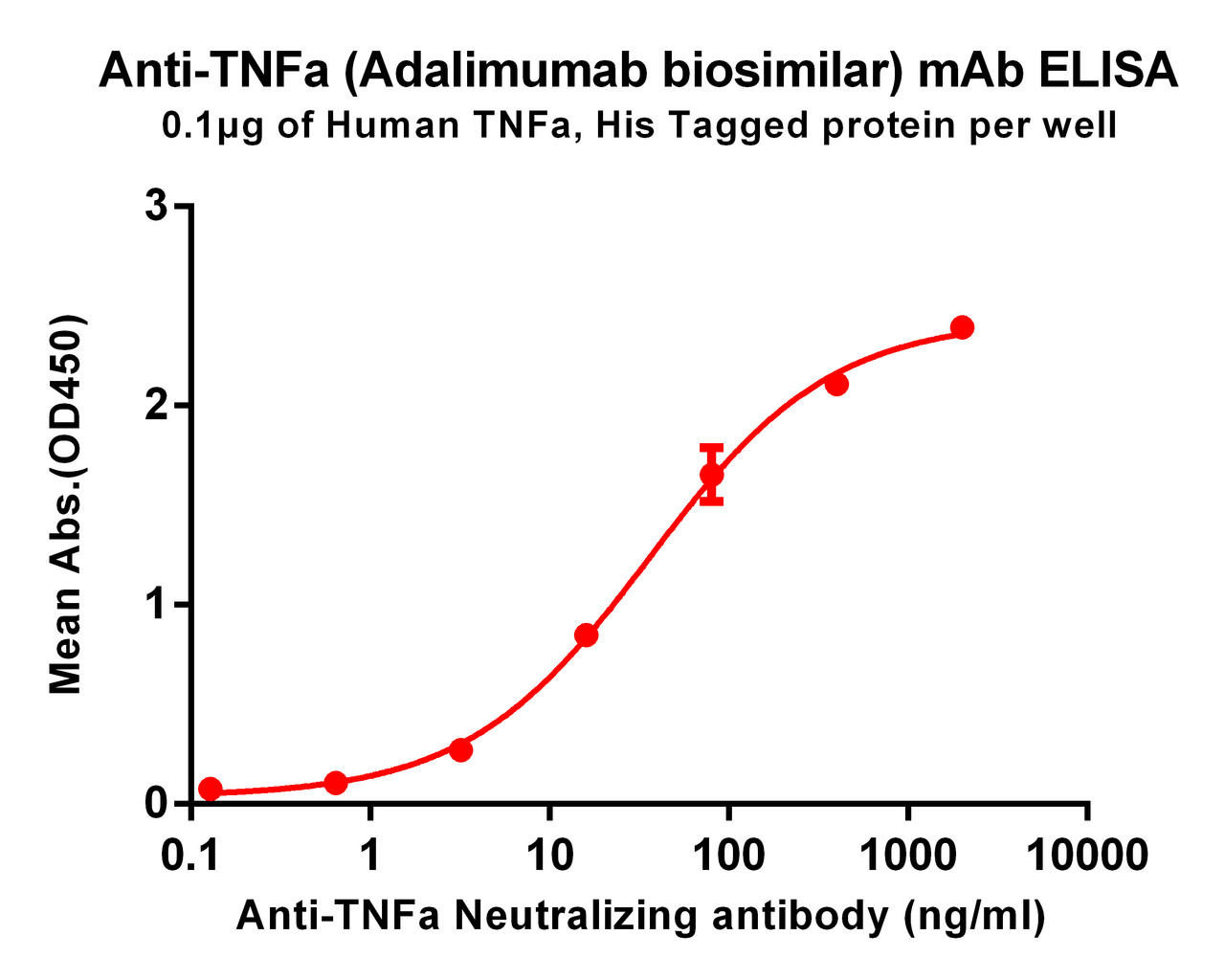
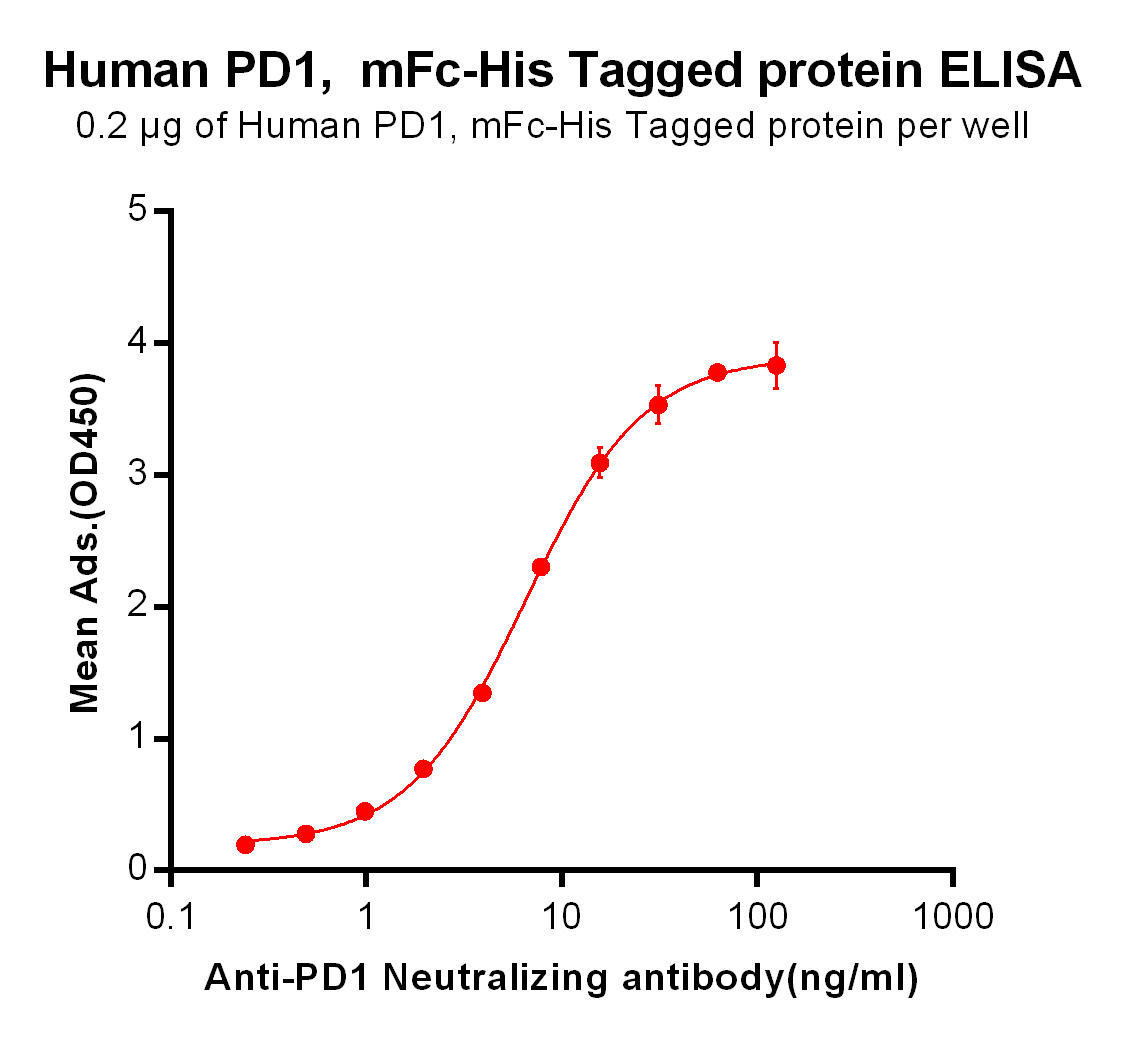
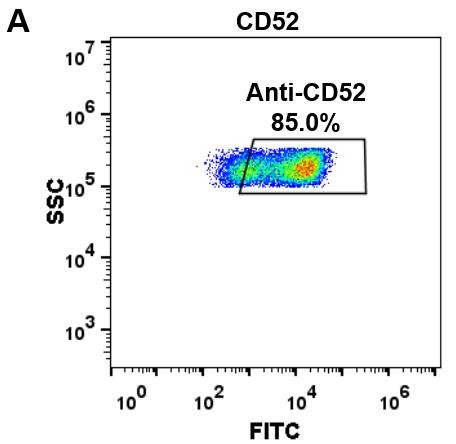
Reference biosimilars demonstrate exceptional performance across research assays.
The ELISA assay shown here highlights a dose-dependent response using 0.2 μg of human TNF-α per well, confirming strong binding activity and neutralizing capabilities of the biosimilar — consistent with results across our reference and conjugated ranges.
- ≥95% purity, validated by SDS-PAGE
- Low endotoxin (≤1.0 EU/mg)
- Validated for ELISA, flow cytometry & Western blot
- Benchmarked directly against the reference biologic

What Researchers Say
“I ordered from Assay Genie for the first time and would like to share my satisfied impression. The article (Bevacizumab; IVMB0232) was used as a positive control and works excellently in Biacore SPR measurements and VEGF bioassay.”
G. Carsten, Fraunhofer (2024)ISO Certification
Quality is at the core of everything we do.
Manufactured in state-of-the-art facilities, our reference biosimilar antibodies meet the highest standards, including ISO 9001:2015 certification — ensuring consistent quality, customer-focused innovation and reliable performance in every batch.
Frequently Asked Questions
What are research-grade biosimilars?
Research-grade biosimilars are laboratory-produced proteins designed to mimic the structure and function of approved biologic drugs. They are used in preclinical studies, assay development and other non-clinical applications.
How do research-grade biosimilars differ from therapeutic biosimilars?
Research-grade biosimilars are intended for laboratory and research purposes only. They are not subject to the same regulatory scrutiny as therapeutic biosimilars, which must undergo clinical trials and approval processes for patient use.
Are research-grade biosimilars the same as reference biologics?
No. Research-grade biosimilars are designed to be similar in structure and function to reference biologics but are not identical. They are primarily used for assay development, drug screening and in vitro/in vivo research.
Are research-grade biosimilars produced using the same expression systems as the original biologics?
They may be produced in similar systems (e.g., CHO cells, E. coli, yeast), but there can be differences in post-translational modifications, glycosylation patterns or impurities.
How is the quality of research-grade biosimilars ensured?
Quality is assessed through purity analysis (SDS-PAGE, HPLC, mass spectrometry), bioactivity assays and binding affinity tests (e.g., ELISA, SPR, BLI).
What are common applications of research-grade biosimilars?
Preclinical drug screening; assay development and validation (ELISA, Western blot, flow cytometry); mechanism of action studies; and comparative studies against reference biologics.
Can research-grade biosimilars be used in animal studies?
Yes, they can be used in in vivo models to study pharmacokinetics, pharmacodynamics and efficacy before moving to clinical-grade biosimilars — see our VivoGenie range for in vivo-ready formats.
Got a Question?
Tell our PhD-level technical team which target or reference biologic you need, and we’ll help you find the right reference biosimilar.
Ask Our Team Browse Reference Biosimilars