
The Battle of Antibiotics: Penicillin vs. Streptomycin
Penicillin vs Streptomycin: The Battle of Antibiotics
Penicillin and streptomycin are two of the most important antibiotics ever discovered — and they work in completely different ways. Penicillin, a β-lactam, destroys the bacterial cell wall; streptomycin, an aminoglycoside, shuts down protein synthesis at the ribosome. Their complementary spectra are why they are combined as “Pen-Strep” in cell culture. This guide compares their discovery, mechanisms, spectra, limitations and uses.
Browse ELISA Kits →Penicillin: The Pioneer
Discovered accidentally by Alexander Fleming in 1928, penicillin marked the dawn of the antibiotic era. Fleming, a Scottish bacteriologist, noticed that a mold called Penicillium notatum inhibited the growth of bacteria in a petri dish. This chance observation led to the isolation and purification of penicillin, the first true antibiotic. Penicillin works by interfering with bacterial cell wall synthesis, leading to cell lysis and eventual death.
Penicillin is highly effective against a wide range of bacterial infections, including streptococcal infections, syphilis, pneumonia, and certain types of meningitis. It is generally well-tolerated and has a favorable safety profile. However, some bacteria have developed resistance to penicillin over time, necessitating the development of alternative antibiotics.
Streptomycin: A Potent Weapon
Streptomycin emerged as a game-changer in the 1940s, offering a new approach to combating bacterial infections. Discovered by Selman Waksman and his team in 1943, streptomycin is derived from the soil bacterium Streptomyces griseus. Unlike penicillin, streptomycin disrupts bacterial protein synthesis by binding to the bacterial ribosome, thus inhibiting protein production.
Streptomycin is particularly effective against tuberculosis (TB), a deadly infectious disease caused by the bacterium Mycobacterium tuberculosis. It is also used to treat other bacterial infections such as plague, tularemia, and certain types of bacterial meningitis. However, streptomycin can cause significant side effects, including hearing loss and kidney damage, limiting its widespread use.
Penicillin-Streptomycin Solution: A Synergistic Blend
Penicillin-Streptomycin Solution combines the strengths of both antibiotics, offering a broad-spectrum antimicrobial agent with enhanced efficacy. This solution typically contains a mixture of penicillin G (or its derivatives) and streptomycin sulfate in sterile form, suitable for injection or topical application.
The synergistic action of penicillin and streptomycin makes this solution effective against a wide range of bacterial infections, including those caused by gram-positive and gram-negative bacteria. It is commonly used in veterinary medicine to treat bacterial infections in animals and is also employed in laboratory settings for cell culture applications.
Differences and Considerations
While both penicillin and streptomycin are potent antibiotics, they differ in their mechanisms of action, spectrum of activity, and side effect profiles. Penicillin primarily targets gram-positive bacteria and is less effective against gram-negative bacteria. In contrast, streptomycin exhibits activity against both gram-positive and gram-negative bacteria, including Mycobacterium tuberculosis.
When choosing between penicillin and streptomycin for treatment, factors such as the type of infection, bacterial susceptibility, and patient-specific considerations must be taken into account. Penicillin is often preferred for infections caused by streptococci and certain gram-positive bacteria, while streptomycin may be favored for TB and other gram-negative infections.
Additionally, the emergence of antibiotic resistance is a growing concern with both penicillin and streptomycin. Overuse and misuse of these antibiotics can contribute to the development of resistant bacterial strains, limiting treatment options and posing a public health threat. Therefore, judicious use of antibiotics and adherence to antimicrobial stewardship guidelines are essential to mitigate the spread of resistance.
Penicillin vs Streptomycin at a Glance
| Feature | Penicillin | Streptomycin |
|---|---|---|
| Class | β-lactam | Aminoglycoside |
| Discovered | 1928 (Alexander Fleming) | 1943 (Selman Waksman’s lab) |
| Target | Cell-wall synthesis — binds penicillin-binding proteins (PBPs) | Protein synthesis — binds the 30S ribosomal subunit |
| Spectrum | Mainly Gram-positive bacteria | Broad, including Gram-negative and mycobacteria |
| Action | Bactericidal (blocks peptidoglycan cross-linking) | Bactericidal (causes misreading of mRNA) |
| Key limitation | β-lactamase resistance; allergy | Ototoxicity and nephrotoxicity |
| Cell-culture use | Kills Gram-positive contaminants | Kills Gram-negative contaminants |
Antibiotic & Cell-Culture Kits
Assay Genie supplies antibiotic detection kits and the cell-culture contamination tools that complement penicillin-streptomycin:
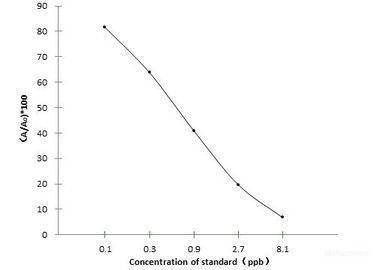
Streptomycin ELISA Kit
Quantify streptomycin residues in food, feed and biological samples.
View product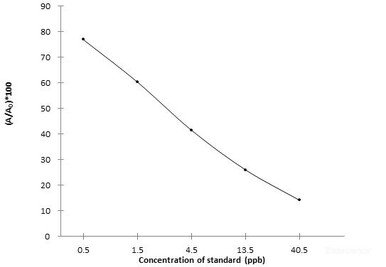
Ampicillin ELISA Kit
Detect ampicillin, a penicillin-class β-lactam, by competitive ELISA.
View product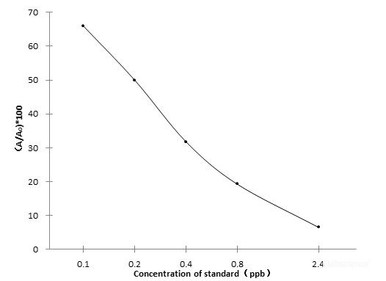

Penicillin-Binding Protein Antibody
PBPa antibody — study the very targets that penicillin inhibits.
View product
GenieColor Mycoplasma Detection Kit
Detect mycoplasma — a contaminant that penicillin-streptomycin cannot kill.
View product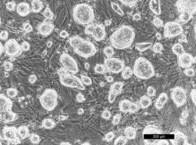
Frequently Asked Questions
What is the difference between penicillin and streptomycin?
Penicillin is a β-lactam that blocks bacterial cell-wall synthesis and works mainly on Gram-positive bacteria; streptomycin is an aminoglycoside that binds the 30S ribosome to block protein synthesis and covers Gram-negative bacteria and mycobacteria.
Why are penicillin and streptomycin used together in cell culture?
Their spectra are complementary — penicillin handles Gram-positive contaminants and streptomycin Gram-negative ones — so the combination (Pen-Strep) gives broad protection at low toxicity to mammalian cells.
Does penicillin-streptomycin kill mycoplasma?
No. Mycoplasma lack a cell wall (so penicillin has no target) and are poorly affected by streptomycin, which is why mycoplasma contamination must be detected and eliminated with dedicated reagents.
How do bacteria become resistant to these antibiotics?
Resistance to penicillin commonly arises through β-lactamase enzymes or altered penicillin-binding proteins, while streptomycin resistance typically involves ribosomal mutations or modifying enzymes.
Conclusion
In the battle against bacterial infections, penicillin and streptomycin have been formidable allies, each contributing to the arsenal of antibiotics with their unique properties. Penicillin, the pioneer of antibiotics, paved the way for the discovery of streptomycin and other antimicrobial agents. Streptomycin, in turn, revolutionized the treatment of TB and other gram-negative infections.
The combination of penicillin and streptomycin in Penicillin-Streptomycin Solution exemplifies the synergistic potential of antimicrobial therapy. By harnessing the strengths of both antibiotics, this solution offers enhanced efficacy against a broad spectrum of bacterial pathogens.
As we continue to confront the challenges of antibiotic resistance and infectious diseases, understanding the differences and applications of antibiotics like penicillin and streptomycin remains crucial. Through responsible antibiotic use and ongoing research efforts, we can strive to preserve the efficacy of these life-saving medications for generations to come.
References:
- Fleming, A. (1929). On the antibacterial action of cultures of a penicillium, with special reference to their use in the isolation of B. influenzae. British Journal of Experimental Pathology, 10(3), 226–236.
- Waksman, S. A., & Schatz, A. (1944). Streptomycin, a substance exhibiting antibiotic activity against gram-positive and gram-negative bacteria. Experimental Biology and Medicine, 55(1), 66–69.
- World Health Organization. (2017). Global tuberculosis report 2017. Geneva: World Health Organization.
- Livermore, D. M. (1995). Beta-lactamases in laboratory and clinical resistance. Clinical Microbiology Reviews, 8(4), 557–584.
- Davies, J., & Davies, D. (2010). Origins and evolution of antibiotic resistance. Microbiology and Molecular Biology Reviews, 74(3), 417–433.
- "Stewart, P. S., & Costerton, J. W. (2001). Antibiotic resistance of bacteria in biofilms. The Lancet, 358(9276), 135–138.
- Anderson, J. M., & Rodriguez, A. (2010). Multidrug-resistant tuberculosis: Specialized reference laboratories are essential for global surveillance. Emerging Infectious Diseases, 16(4), 720–722.
Umang Tyagi completed her Bachelor degree in Biotechnology from GGSIP University in Delhi, India and is currently pursuing a Research Masters in Medicine at University College Dublin.
Umang Tyagi is a scientific contributor at Assay Genie, writing on microbiology, molecular biology and laboratory methods.
Related reading
Working with antibiotics or cell culture?
From antibiotic residue ELISA kits to mycoplasma detection and elimination reagents, Assay Genie supplies the tools behind clean, reliable cultures — backed by expert technical support.
Browse ELISA Kits →Recent Posts
-

Comment choisir un panel cytokines selon votre objectif
Comment choisir un panel cytokines selon votre objectif Pour une sensibilité extrême sur un nombre …18th Sep 2026 -

Control positivo ELISA: qué es y por qué valida cada corrida
Control positivo ELISA: qué es y por qué valida cada corrida Un control positivo en ELISA es una mu …18th Sep 2026 -

Antikörpervalidierung: So weisen Sie Spezifität wirklich nach
Antikörpervalidierung: So weisen Sie Spezifität wirklich nach Das eigentliche Ziel ist, Off-Target- …18th Sep 2026