
Blog
IgA Test – Normal Ranges, Results & What They Mean
Clinical · Immunology Guide
IgA Test: Normal Ranges, Results & What They Mean [2026]
What the immunoglobulin A blood test measures, how results are interpreted against the normal reference range, and the clinical conditions — from selective IgA deficiency to celiac disease — that shift IgA levels up or down.
Browse ELISA Kits →
70–400ADULT IgA mg/dL
1 of 5ANTIBODY ISOTYPES
MucosalFIRST-LINE DEFENCE
BloodSIMPLE SAMPLE TEST
The IgA test, also known as immunoglobulin A test, is a diagnostic tool used to measure the levels of IgA
…
7th May 2025
Ulviprubart: A Breakthrough in Autoimmune Disease Treatment
Quick Facts About UlviprubartWhat is Ulviprubart?Ulviprubart is an experimental complement inhibitor designed to modulate immune responses in autoimmune diseases.What is the mechanism of action for Ulviprubart?Ulviprubart targets the complement system, reducing excessive immune activation and preventing tissue damage.What are the clinical applications of Ulviprubart?Research is evaluating Ulviprubart’s potential in treating autoimmune diseases such as lupus, rheumatoid arthritis, and atypical hemolytic uremic syndrome.1.) Understanding UlviprubartUlviprubart represents a significant advancement in immunotherapy, particularly for autoimmune diseases where excessive compleme
…
19th Mar 2025
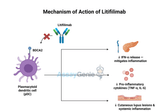
Litifilimab: A Promising Anti-BDCA2 Antibody for Lupus Treatment
Quick Facts About LitifilimabWhat is Litifilimab?Litifilimab is a monoclonal antibody developed by Biogen targeting BDCA2, a receptor on plasmacytoid dendritic cells (pDCs), to regulate immune response in lupus.What is the mechanism of action of Litifilimab?Litifilimab inhibits BDCA2, reducing inflammatory cytokine production and modulating the immune system, potentially benefiting lupus patients.What are the clinical applications of Litifilimab?Litifilimab is being investigated for systemic lupus erythematosus (SLE) and cutaneous lupus erythematosus (CLE), with Phase 3 trials ongoing.1.) Understanding LitifilimabDeveloped by Biogen, Litifilimab has shown promising results in e
…
11th Mar 2025
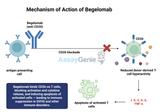
Begelomab: Mechanism of Action, Clinical Applications & Biosimilars
Quick Facts About BegelomabWhat is Begelomab?Begelomab is a monoclonal antibody that targets CD26, a key molecule involved in immune regulation. It has been studied for its potential applications in treating T-cell mediated disorders, including graft-versus-host disease (GVHD).How Does Begelomab Work?Begelomab binds to CD26, modulating immune responses by affecting T-cell activation and signaling pathways. This makes it a promising candidate for managing autoimmune conditions and post-transplant complications.What Are the Clinical Applications of Begelomab?Begelomab has been explored in clinical settings for treating steroid-refractory acute GVHD, a severe complication followin
…
8th Mar 2025
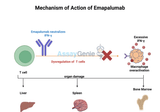
Emapalumab: Unlocking the Potential of Targeting IFN-γ in HLH Treatment
Quick Facts About EmapalumabWhat is Emapalumab?Emapalumab is a fully human monoclonal antibody that neutralizes interferon-gamma (IFN-γ). It is the first FDA-approved therapy for primary HLH, a life-threatening hyperinflammatory condition.What is the mechanism of action of Emapalumab?Emapalumab binds to and neutralizes IFN-γ, reducing excessive immune activation in HLH patients. By targeting this key cytokine, it helps control inflammation and prevent tissue damage.What are the clinical applications of Emapalumab?Emapalumab is primarily used to treat pediatric and adult patients with primary HLH who are unresponsive to conventional treatments. It is also being explored for seco
…
8th Mar 2025
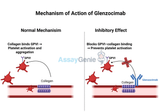
Glenzocimab: A Novel Antiplatelet Therapy for Stroke Prevention
Quick Facts About GlenzocimabWhat is Glenzocimab?Glenzocimab is an innovative monoclonal antibody designed to reduce the risk of ischemic stroke by selectively targeting platelet glycoprotein VI (GPVI).How does Glenzocimab work?By inhibiting GPVI, Glenzocimab prevents excessive platelet aggregation while preserving normal hemostasis, reducing the likelihood of thrombotic events.What are the clinical applications of Glenzocimab?Glenzocimab is primarily investigated for its role in treating acute ischemic stroke (AIS) and preventing recurrent strokes in high-risk patients.1.) Understanding GlenzocimabGlenzocimab is a first-in-class monoclonal antibody designed to offer a safer an
…
8th Mar 2025
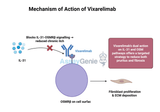
Vixarelimab: A Novel Approach to Targeting Prurigo Nodularis and Fibrosis
Quick Facts About VixarelimabWhat is Vixarelimab?Vixarelimab is an investigational monoclonal antibody developed to target oncostatin M receptor beta (OSMRβ), a key pathway involved in pruritus and fibrosis.What is the mechanism of action for Vixarelimab?Vixarelimab works by inhibiting OSMRβ, which plays a crucial role in inflammatory and fibrotic signaling. By blocking this pathway, it may help reduce itch severity and fibrosis progression in certain diseases.What are the clinical applications of Vixarelimab?Vixarelimab has been investigated for prurigo nodularis (PN) and idiopathic pulmonary fibrosis (IPF). Research is also exploring its potential for other fibrotic condition
…
8th Mar 2025
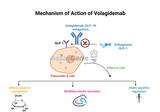
Volagidemab: A Breakthrough in GLP-1 Receptor Agonists for Metabolic Disorders
Quick Facts About VolagidemabWhat is Volagidemab?Volagidemab is a glucagon-like peptide-1 (GLP-1) receptor antagonist designed to regulate glucose metabolism and energy homeostasis.How Does Volagidemab Work?It blocks the GLP-1 receptor, preventing its activation by natural ligands, thereby influencing insulin secretion and glucose regulation.What Are the Clinical Applications of Volagidemab?Volagidemab has been investigated for metabolic disorders, particularly type 2 diabetes and obesity, with research exploring its potential in controlling blood sugar levels and weight management.1.) Understanding VolagidemabVolagidemab is a novel therapeutic agent targeting the glucagon-like
…
8th Mar 2025
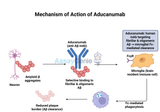
Aducanumab: Mechanism, Clinical Applications, and the Role of Biosimilars in Research
Quick Facts About AducanumabWhat is Aducanumab?Aducanumab is a monoclonal antibody designed to target and reduce amyloid-beta plaques in the brain, a hallmark of Alzheimer’s disease.What is the mechanism of action for Aducanumab?Aducanumab selectively binds to aggregated amyloid-beta, facilitating its clearance via microglial phagocytosis and reducing plaque burden in Alzheimer’s patients.What are the clinical applications of Aducanumab?Aducanumab is approved for the treatment of Alzheimer’s disease, with a focus on early-stage cases to slow cognitive decline.Why is Aducanumab controversial?The drug’s accelerated FDA approval raised debates regarding clinical efficacy, safety c
…
8th Mar 2025
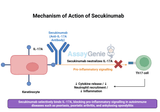
Secukinumab: A Comprehensive Guide to Its Mechanism, Applications, and Biosimilar Advancements
Quick Facts About SecukinumabWhat is SecukinumabSecukinumab is a monoclonal antibody that targets interleukin-17A (IL-17A), a key cytokine involved in inflammatory and autoimmune responses.How Does Secukinumab Work?It binds to IL-17A, preventing it from interacting with its receptor, thereby reducing inflammation associated with conditions like psoriasis and ankylosing spondylitis.What Are the Clinical Applications of Secukinumab?Secukinumab is approved for treating moderate-to-severe plaque psoriasis, psoriatic arthritis, ankylosing spondylitis, and hidradenitis suppurativa.What Are the Side Effects of Secukinumab?Common side effects include upper respiratory infections, heada
…
8th Mar 2025
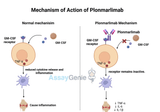
Plonmarlimab: Advancing Anti-GM-CSF Therapy in Inflammatory Diseases
Quick Facts About PlonmarlimabWhat is Plonmarlimab?Plonmarlimab is a monoclonal antibody targeting GM-CSF, a cytokine involved in inflammation and immune responses.How does Plonmarlimab work?It inhibits GM-CSF, reducing inflammatory cytokine release and immune cell activation, making it a potential treatment for autoimmune conditions.What are the clinical applications of Plonmarlimab?It has been studied in conditions like rheumatoid arthritis and COVID-19-induced hyperinflammation.Is Plonmarlimab safe?Early trials suggest a favorable safety profile, but ongoing research continues to evaluate long-term effects.1.) Understanding PlonmarlimabPlonmarlimab is a humanized monoclonal
…
27th Feb 2025
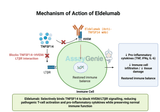
Eldelumab: Unlocking the Potential of Anti-TNFSF14 in Inflammatory Diseases
Quick Facts About EldelumabWhat is Eldelumab?Eldelumab is a monoclonal antibody targeting TNFSF14 (LIGHT), a key regulator in immune system signaling, with potential applications in inflammatory diseases.How does Eldelumab work?Eldelumab blocks the interaction between TNFSF14 and its receptors, reducing excessive immune activation linked to conditions such as inflammatory bowel disease (IBD) and rheumatoid arthritis.What are the clinical applications of Eldelumab?Eldelumab has been investigated in autoimmune diseases, particularly ulcerative colitis and Crohn’s disease, for its role in modulating inflammatory pathways.1.) Understanding EldelumabEldelumab is a human monoclonal a
…
26th Feb 2025
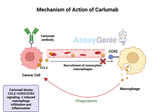
Carlumab: Exploring Its Mechanism, Clinical Potential, and Research Biosimilars
Quick Facts About CarlumabWhat is Carlumab?Carlumab is a monoclonal antibody developed to target CC-chemokine ligand 2 (CCL2), a key mediator in inflammatory diseases and cancer progression.What is the mechanism of action of Carlumab?Carlumab binds to CCL2, inhibiting its interaction with receptors and reducing inflammation-related signaling pathways that contribute to disease progression.What are the clinical applications of Carlumab?Carlumab has been explored for conditions such as cancer, fibrosis, and inflammatory diseases. Although clinical trials faced challenges, ongoing research continues to assess its therapeutic potential.1.) Understanding CarlumabCarlumab is a fully
…
25th Feb 2025
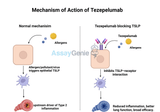
Tezepelumab: A Breakthrough in Severe Asthma Treatment and Research
Quick Facts About TezepelumabWhat is Tezepelumab?Tezepelumab is a monoclonal antibody designed to inhibit thymic stromal lymphopoietin (TSLP), a key driver of airway inflammation in severe asthma.How does Tezepelumab work?By blocking TSLP, Tezepelumab reduces inflammation across multiple pathways, making it effective for a broad range of asthma patients, regardless of biomarker levels.What are the clinical applications of Tezepelumab?Tezepelumab is FDA-approved for treating severe asthma and is being investigated for other inflammatory conditions, including atopic dermatitis and chronic rhinosinusitis with nasal polyps (CRSwNP).1.) Understanding TezepelumabTezepelumab represent
…
25th Feb 2025
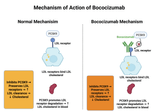
Bococizumab: Mechanism, Clinical Applications, and Biosimilars in Research
Quick Facts About BococizumabWhat is Bococizumab?Bococizumab is a monoclonal antibody that targets PCSK9, a protein involved in cholesterol regulation.How Does Bococizumab Work?It inhibits PCSK9, increasing LDL receptor availability and reducing LDL cholesterol levels.Was Bococizumab Approved for Use?Bococizumab was discontinued during Phase 3 trials due to immunogenicity concerns and lipid-lowering variability.What Are the Side Effects of Bococizumab?Clinical trials reported increased anti-drug antibodies, leading to reduced efficacy over time.1.) Understanding BococizumabBococizumab was developed as a proprotein convertase subtilisin/kexin type 9 (PCSK9) inhibitor, a class of
…
24th Feb 2025
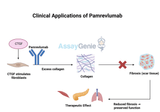
Pamrevlumab: Unveiling the Potential of Anti-Fibrotic Therapy in Clinical Trials and Research
Quick Facts About PamrevlumabWhat is Pamrevlumab?Pamrevlumab (FG-3019) is a monoclonal antibody designed to target and inhibit the connective tissue growth factor (CTGF), a key driver of fibrosis in diseases like idiopathic pulmonary fibrosis (IPF) and pancreatic cancer.What is the mechanism of action for Pamrevlumab?Pamrevlumab works by binding to CTGF, a protein involved in the fibrotic process. By inhibiting CTGF, it aims to reduce the progression of fibrosis in tissues affected by diseases like IPF and pancreatic cancer.What are the clinical applications of Pamrevlumab?Pamrevlumab is currently under investigation in clinical trials for diseases such as idiopathic pulmonary
…
12th Feb 2025
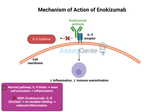
Enokizumab: Exploring Its Mechanism, Clinical Applications, and Biosimilar Advancements
Quick Facts About EnokizumabWhat is Enokizumab?Enokizumab is a monoclonal antibody designed to target interleukin-9 (IL-9), a cytokine involved in inflammatory responses. It has been studied primarily for its potential in treating immune-mediated conditions.How Does Enokizumab Work?Enokizumab inhibits IL-9 signaling, reducing inflammation and immune system overactivity. This makes it a candidate for treating conditions like asthma and other allergic diseases.What Are the Clinical Applications of Enokizumab?Enokizumab has been explored for treating conditions such as asthma, atopic dermatitis, and other inflammatory disorders. Research is ongoing to evaluate its full therapeutic
…
12th Feb 2025
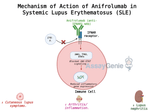
Anifrolumab: Transforming Lupus Treatment with Targeted Immunotherapy
Quick Facts About AnifrolumabWhat is Anifrolumab?Anifrolumab is a monoclonal antibody that targets the type I interferon receptor, playing a crucial role in treating systemic lupus erythematosus (SLE).What is the mechanism of action for Anifrolumab?Anifrolumab blocks type I interferon signaling, reducing inflammation and immune overactivation associated with lupus.What are the clinical applications of Anifrolumab?It is primarily approved for treating moderate to severe systemic lupus erythematosus (SLE) in adults who do not respond to standard therapy.1.) Understanding AnifrolumabAnifrolumab is a promising breakthrough in the field of immunotherapy, particularly for the treatme
…
11th Feb 2025
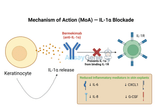
Bermekimab: Unveiling the Role of Anti-CD47 in Hidradenitis Suppurativa and Atopic Dermatitis
What You Need to Know About BermekimabWhat is Bermekimab?Bermekimab is a monoclonal antibody targeting the CD47 receptor, developed to modulate the immune system and improve conditions like hidradenitis suppurativa and atopic dermatitis.What is the mechanism of action for Bermekimab?Bermekimab blocks the CD47 pathway, helping to enhance immune responses, which is particularly beneficial in treating inflammatory skin conditions and potentially cancer.What are the clinical applications of Bermekimab?Bermekimab is being investigated for use in hidradenitis suppurativa and atopic dermatitis, with promising clinical trial outcomes suggesting it may address unmet needs in these areas
…
11th Feb 2025
Crizanlizumab: A Comprehensive Overview of Its Role in Sickle Cell Disease and Ongoing Research
Quick Facts About CrizanlizumabWhat is Crizanlizumab?Crizanlizumab is a monoclonal antibody used to treat sickle cell disease by targeting P-selectin, a protein involved in inflammation and blood cell adhesion.What is the mechanism of action for Crizanlizumab?Crizanlizumab works by inhibiting P-selectin, reducing sickling of red blood cells, and decreasing the frequency of vaso-occlusive crises in patients with sickle cell disease.What are the clinical applications of Crizanlizumab?Crizanlizumab is primarily used in sickle cell disease treatment, particularly for patients experiencing frequent pain episodes (vaso-occlusive crises).Is Crizanlizumab FDA-approved?Yes, Crizanlizuma
…
7th Feb 2025
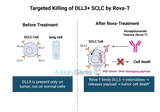
Rovalpituzumab Tesirine: Advancing Small Cell Lung Cancer Research
Quick Facts About Rovalpituzumab TesirineWhat is Rovalpituzumab Tesirine?Rovalpituzumab Tesirine (Rova-T) is an antibody-drug conjugate (ADC) designed to target DLL3, a protein overexpressed in small cell lung cancer (SCLC) cells.How does Rovalpituzumab Tesirine work?It binds to DLL3, delivering a cytotoxic agent that induces tumor cell death while sparing healthy cells.What are the clinical applications of Rovalpituzumab Tesirine?It has been studied in SCLC and other DLL3-expressing cancers, with research focused on improving efficacy and reducing toxicity.1.) Understanding Rovalpituzumab TesirineRovalpituzumab Tesirine, commonly referred to as Rova-T, is an investigational an
…
6th Feb 2025
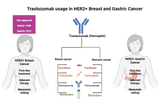
Trastuzumab: Revolutionizing HER2-Positive Cancer Treatment & Research
Quick Facts About TrastuzumabWhat is Trastuzumab?Trastuzumab is a monoclonal antibody used to treat HER2-positive breast and gastric cancers. It specifically targets the HER2 protein, reducing tumor growth and improving survival rates.How does Trastuzumab work?Trastuzumab binds to the HER2 receptor on cancer cells, blocking growth signals and triggering immune responses that destroy tumor cells.What are the clinical applications of Trastuzumab?It is FDA-approved for HER2-positive breast cancer and metastatic gastric cancer, often used in combination with chemotherapy.Is Trastuzumab safe?While generally well-tolerated, it may cause side effects like cardiotoxicity and infusion r
…
6th Feb 2025
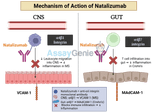
Natalizumab: Mechanism, Applications, and Emerging Research in Multiple Sclerosis and Crohn's Disease
Quick Facts About NatalizumabWhat is Natalizumab?Natalizumab is a monoclonal antibody used to treat multiple sclerosis (MS) and Crohn's disease. It works by blocking immune cells from attacking the nervous system in MS patients and preventing inflammation in the intestines in those with Crohn's disease.What is the mechanism of action for Natalizumab?Natalizumab binds to the α4-integrin subunit, preventing immune cells from crossing the blood-brain barrier, which reduces inflammation in the central nervous system, crucial for treating MS and Crohn's disease.What are the clinical applications of Natalizumab?Natalizumab is primarily prescribed for relapsing forms of multiple scler
…
2nd Feb 2025
Denosumab: A Comprehensive Overview of Mechanism, Applications, and Research Advances
Biologics · Bone MetabolismDenosumab: RANKL Inhibition, Clinical Applications and BiosimilarsDenosumab is a fully human monoclonal antibody against RANKL, the cytokine that drives osteoclast formation and survival. By binding RANKL it does in principle what the body’s own decoy receptor osteoprotegerin does naturally. This guide covers the RANKL–RANK–OPG axis, the two distinct dosing regimens, how it differs from bisphosphonates — including the consequences of stopping — and what biosimilarity requires.Browse denosumab reagents →RANKLThe target (TNFSF11)Fully humanIgG2 monoclonal antibodyMimics OPGThe natural decoy receptorReversibleAnd that cuts both waysKey takeawaysDenosumab binds RANKL,
…
2nd Feb 2025